



Adenomyosis: The Silent Uterine Disease You Should Take Seriously
Introduction – What Is Adenomyosis and Why Does It Matter?
Adenomyosis is a common but under-recognized uterine condition that can greatly affect women’s quality of life. In this disease, the inner lining of the uterus (endometrium) abnormally grows into the muscular wall of the uterus (myometrium). This invasion leads to thickening of the uterine wall, enlargement of the uterus, and painful, heavy periods.
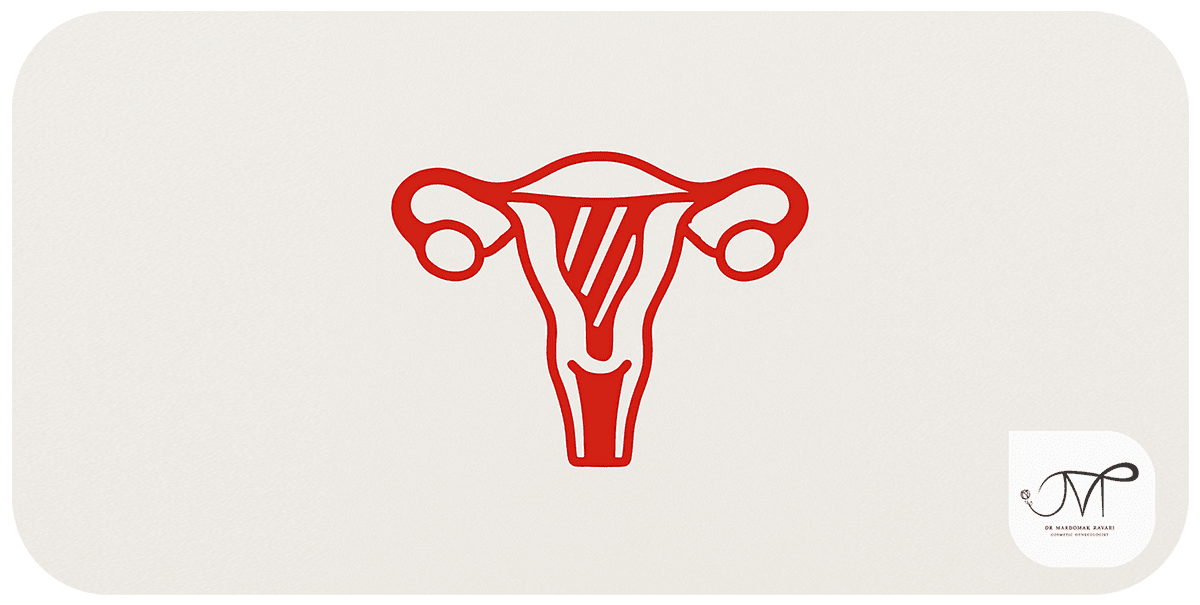
Although adenomyosis is benign and does not turn into cancer, it can cause problems such as chronic anemia, severe pelvic pain, painful intercourse, and even infertility. Recognizing the symptoms and seeking timely treatment are the best ways to prevent complications.
Adenomyosis vs. Endometriosis
These two conditions are often confused. While both involve abnormal growth of endometrial tissue, their locations differ:
- Adenomyosis: the endometrium penetrates into the uterine muscle wall.
- Endometriosis: the endometrium grows outside the uterus (such as on the ovaries, fallopian tubes, or bladder surface).
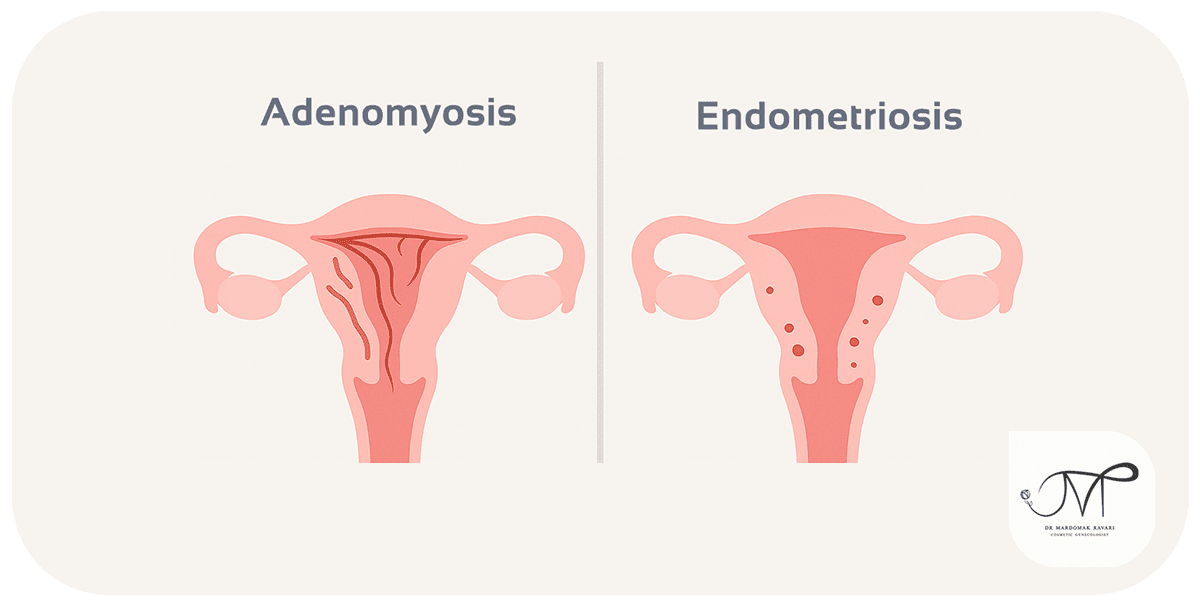
Both can cause menstrual pain and infertility, but their diagnosis and treatment differ. Some women may even have both conditions at the same time.
Common Symptoms of Adenomyosis
The severity of symptoms varies. Some women have no symptoms, while others experience life-disrupting pain and bleeding:

- Severe menstrual cramps (dysmenorrhea), beginning days before and lasting through menstruation.
- Heavy or prolonged periods (over 7 days), sometimes with large clots.
- Fatigue and weakness due to anemia from frequent blood loss.
- Pain during intercourse (dyspareunia), especially near menstruation.
- Pelvic pressure or heaviness from an enlarged uterus.
- Fertility problems or recurrent miscarriage due to changes in uterine structure.
Causes and Risk Factors
The exact cause remains unknown, but several theories exist:
- Uterine injury from surgery (such as C-section or dilation and curettage), allowing endometrial tissue to invade the muscle.
- Developmental issues during fetal life, with misplaced endometrial cells from uterine formation.
- Chronic uterine inflammation facilitating abnormal tissue growth.
Risk factors include:
- Age over 35.
- History of multiple pregnancies and deliveries.
- Long-term estrogen exposure.
- Heavy, irregular periods starting at a young age.
Diagnosis of Adenomyosis
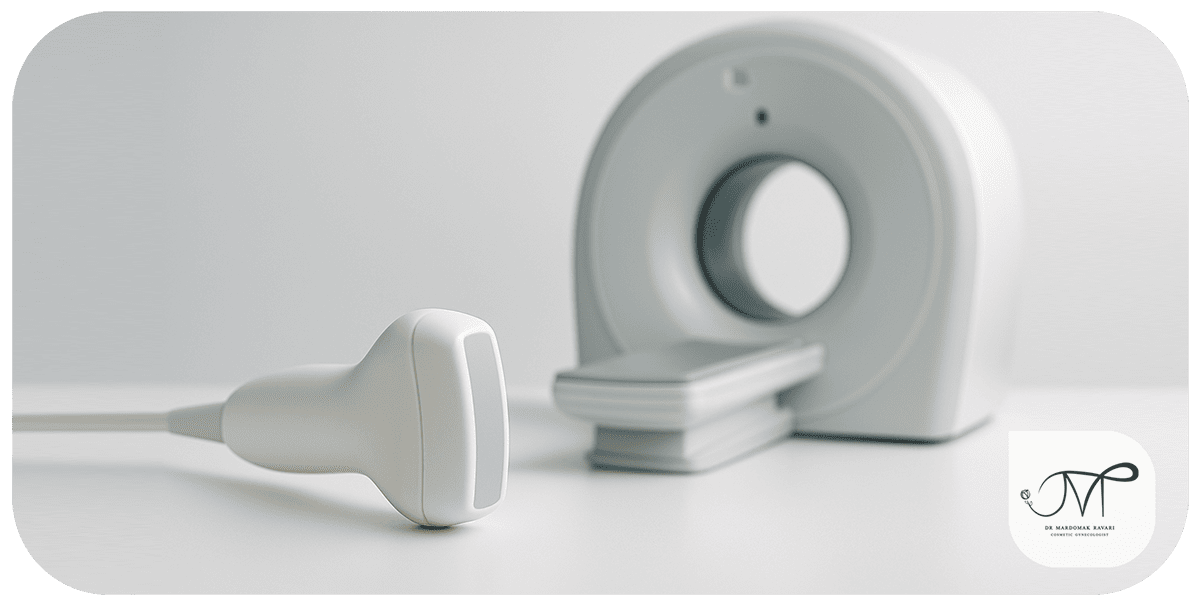
Diagnosis is challenging since symptoms mimic other conditions like fibroids. A combination of exam, imaging, and sometimes biopsy is used:
– Pelvic exam: may reveal an enlarged or tender uterus.
– Transvaginal ultrasound: shows wall thickening and tissue changes.
– MRI: the most accurate non-invasive tool, helpful in differentiating adenomyosis from fibroids.
– Endometrial biopsy: mainly to rule out endometrial cancer in suspicious cases.
Treatment Options
Choice of treatment depends on symptom severity, age, fertility goals, and overall health.

Medical treatment:
- NSAIDs (e.g., ibuprofen) to reduce pain.
- Combined oral contraceptives to regulate bleeding.
- Oral or injectable progestins to suppress endometrial growth.
- GnRH agonists to temporarily lower estrogen levels.
- Hormonal IUD (levonorgestrel): highly effective in controlling symptoms.
Non-surgical treatments:
- Endometrial ablation: destroys the uterine lining to reduce bleeding (not suitable for women who wish to conceive).
- Uterine artery embolization: cuts off blood supply to affected areas, though less effective for adenomyosis than fibroids.
Surgical treatments:
- Hysterectomy: complete removal of the uterus; the only definitive cure, for women not planning future pregnancies.
- Local resection: removal of affected uterine wall in focal adenomyosis.
Lifestyle and Supportive Care

Simple, consistent lifestyle changes can ease symptoms:
- Anti-inflammatory diet rich in vegetables, fatty fish, turmeric, and ginger.
- Reducing sugar and processed foods.
- Regular exercise and yoga to reduce stress and improve pelvic circulation.
- Heating pads for menstrual pain relief.
- Iron supplements if anemia is present.
Clinical Case Examples
Case 1: A 42-year-old woman with heavy bleeding and anemia underwent hysterectomy after medications failed, achieving complete relief.
Case 2: A 35-year-old woman with infertility and focal adenomyosis conceived after localized uterine resection.
Case 3: A 39-year-old woman with severe cramps experienced significant symptom improvement within 6 months of using a hormonal IUD.
Summary
Adenomyosis shares many similarities in symptoms and uterine effects with fibroids and endometrial polyps, which is why many patients may initially receive an incorrect diagnosis. All three conditions can cause heavy menstrual bleeding, pelvic pain, and a feeling of uterine pressure, but their origins and treatments differ. In fibroids, a muscular mass develops; in adenomyosis, the uterine lining grows into the muscle wall; while an endometrial polyp usually forms on the inner lining of the uterus and can be diagnosed through ultrasound or hysteroscopy. Understanding these differences is crucial for choosing the right treatment and avoiding unnecessary surgeries.
In advanced cases of adenomyosis, the uterus may become enlarged and heavy, showing symptoms similar to uterine prolapse and requiring comparable management approaches. This condition not only causes physical discomfort but can also be associated with infertility and other uterine disorders, as adenomyosis interferes with embryo implantation and uterine blood flow. Timely diagnosis and appropriate treatment—from medication to conservative surgery—can help preserve fertility and prevent the need for hysterectomy. Awareness of these connections encourages women to seek medical advice early when experiencing abnormal bleeding, pelvic pain, or fertility issues, helping prevent disease progression.
Adenomyosis is a silent yet impactful disease that can remain undiagnosed for years, significantly affecting quality of life and fertility. Early detection, proper treatment selection, and continuous follow-up are key to successful management.
References

Severe period pain? Act quickly!
Fill out the consultation form now and our assistant will contact you shortly.
 FAQ
FAQ
No comments have been posted.
Your email address will not be published. Required fields are marked *


