



Amenorrhea (Missed Periods): Everything You Need to Know
Introduction
A regular period is one of the most important signs of a healthy female reproductive system. It affects both physical and emotional wellbeing. But for some women, this monthly cycle may stop or become irregular for different reasons.
Amenorrhea means the absence of menstrual periods at the expected time. It can happen due to natural (physiological) reasons or underlying medical (pathological) problems.
In this article, we’ll take a closer look at amenorrhea, its types, causes, how it’s diagnosed, treatment options, and some of the most common patient questions — explained in simple, easy-to-understand language.

Definition and Types of Amenorrhea
Amenorrhea is the medical term for missed or absent periods. It is divided into two main categories:
- Primary Amenorrhea: When a girl hasn’t had her first period by age 15, especially if there are no signs of puberty (like breast development). This can be due to genetic or structural problems in the uterus or vagina.
- Secondary Amenorrhea: When a woman who previously had regular periods suddenly stops menstruating for three months or more. This is the more common type and has several possible causes, which we’ll explain below.

Common Causes of Amenorrhea
Missing periods can have many different causes. Sometimes it’s something temporary, but other times it requires medical evaluation and treatment.
- Hormonal Disorders: The most common reason for secondary amenorrhea. Examples include polycystic ovary syndrome (PCOS), thyroid disorders (hypothyroidism or hyperthyroidism), and premature ovarian failure.
- Stress: The brain plays a big role in controlling the menstrual cycle. Severe stress, depression, or anxiety can disrupt the hypothalamus and cause periods to stop.
- Excessive Exercise or Weight Loss: In professional athletes or women with very low body fat, hormone production may be disrupted, leading to amenorrhea.
- Structural Problems: Conditions like intrauterine adhesions (Asherman’s syndrome), congenital abnormalities of the uterus, or vaginal blockage can also cause missed periods.
Symptoms and Diagnosis
The main symptom of amenorrhea is, of course, absence of menstruation. But some women also experience:
-
Vaginal dryness
-
Hot flashes
-
Hair loss
-
Mood swings
To figure out the cause, doctors use:
- Blood tests: Checking hormone levels like LH, FSH, TSH, prolactin, and estradiol. These tests help pinpoint the reason behind missed periods.
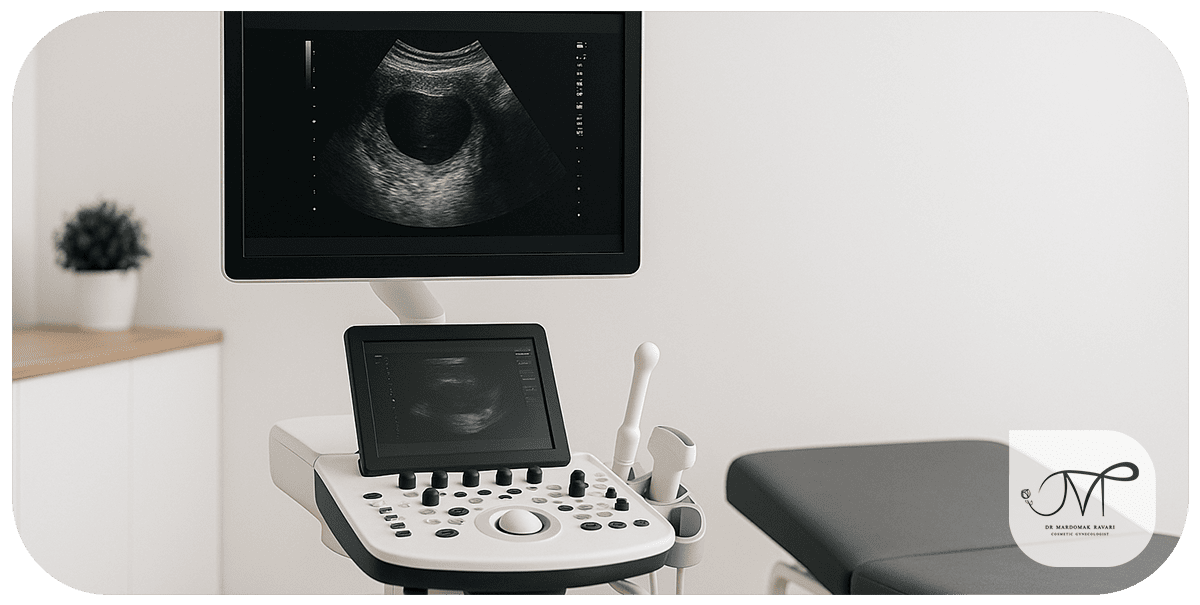
- Pelvic ultrasound: To examine the uterus and ovaries.
- MRI scans: In rare cases, to check the pituitary gland for tumors or abnormalities.
- Pregnancy test: This is always the first step, even if pregnancy seems unlikely.

Treatment and Management
Treatment depends on the cause. There’s no single “one-size-fits-all” approach.
- Hormone Therapy: For ovarian failure or lack of ovulation, estrogen and progesterone therapy can help restart the cycle.
- Targeted Medications: For thyroid disorders, proper medication is prescribed. In PCOS, drugs like metformin or anti-androgens are useful.
- Lifestyle Changes: In cases linked to weight loss or stress, restoring a healthy lifestyle — balanced diet, reduced intense exercise — can make a big difference.
- Psychological Support: For women struggling with anxiety or depression, counseling and therapy play a key role.
Related Syndromes
Some syndromes are directly linked to amenorrhea:
- PCOS (Polycystic Ovary Syndrome): A very common cause of irregular or missed periods, along with excess hair growth and insulin resistance.
- Asherman’s Syndrome: Scar tissue in the uterus after surgery or curettage that prevents menstruation.
- Sheehan’s Syndrome: Damage to the pituitary gland after severe postpartum bleeding, leading to reduced sex hormones.
Real-Life Cases
- A 25-year-old woman lost weight rapidly over a short time and stopped having periods for four months. After nutritional counseling and increasing her calorie intake, her menstrual cycle returned.
- Another patient, a 32-year-old woman with PCOS and excess hair growth, managed to restore her periods with metformin and lifestyle changes — and eventually became pregnant.
Prevention and Self-Care
Not all cases of amenorrhea can be prevented, but some simple steps help lower the risk:
- Maintain a healthy body weight (avoid extreme diets)
- Keep workouts balanced — don’t overtrain
- Manage stress with yoga, meditation, or therapy
- Get annual health checkups to monitor hormonal balance
Conclusion
Amenorrhea is a warning sign that shouldn’t be ignored. Identifying the cause early, following up with regular checkups, and starting the right treatment can help restore the body’s natural rhythm.
If you or someone you know has missed periods for several months, it’s best to see a gynecologist as soon as possible
References
- (2023). Evaluation and management of amenorrhea.
- American College of Obstetricians and Gynecologists (ACOG). (2022). Clinical Guidelines on Amenorrhea.
- Mayo Clinic. (2023). Amenorrhea – Symptoms and Causes

If you haven’t had a period for over 3 months,
Fill out the consultation form now and our assistant will contact you shortly.
 FAQ
FAQ
No comments have been posted.
Your email address will not be published. Required fields are marked *


