


Vulvar Vestibulitis | Causes, Symptoms, Diagnostics and Treatment
Introduction
Pain during sex or routine gynecologic exams is more common than many people admit. One major cause is vulvar vestibulitis, also called vestibulodynia. In this condition, the tissue at the entrance of the vagina the vestibule becomes unusually sensitive and painful, so that even light touch can feel like burning or sharp pain. Vulvar vestibulitis can seriously affect sexual quality of life and self-confidence, but effective treatments exist.
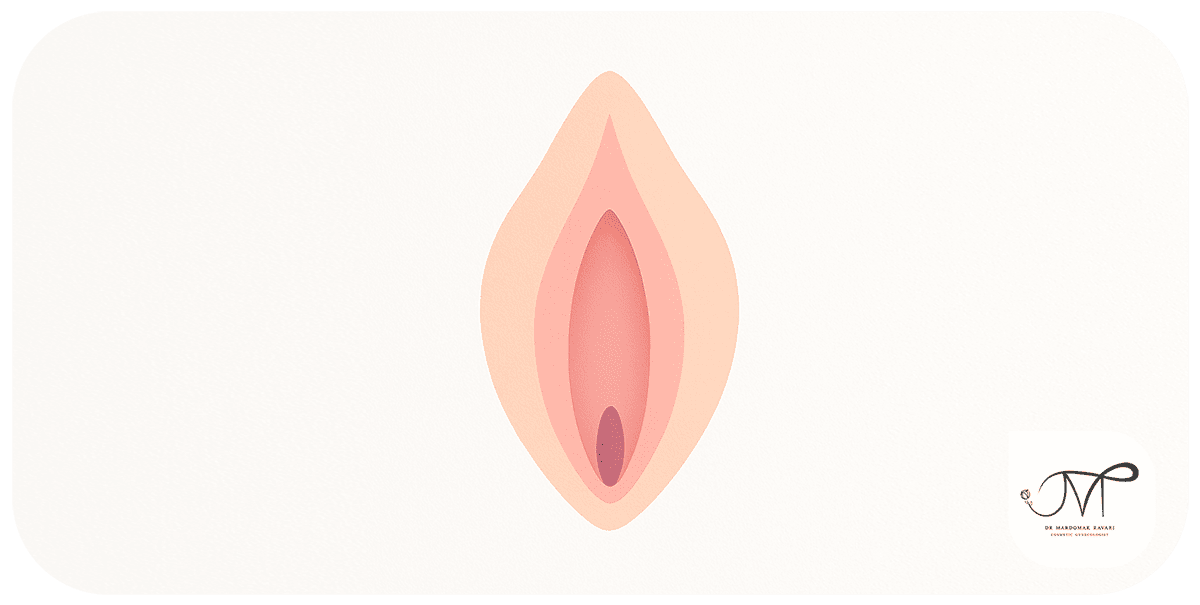
What is vulvar vestibulitis
Vulvar vestibulitis vestibulodynia is pain and tenderness localized to the vaginal entrance the vestibule, typically triggered by touch or pressure such as intercourse, tampon use, tight clothing, or even a gentle medical exam.
Typical features include
- Chronic course lasting more than three months
- Pain quality described as burning, stinging, or sharp
- Often occurs without an active infection or obvious visible cause
Causes and contributing factors
The exact cause of vulvar vestibulitis is not fully defined. Multiple pathways may interact.
Physical factors
- Chronic inflammation or small nerve fiber injury around the vestibule
- Hormonal shifts for example after long term combined oral contraceptives or during menopause
- Recurrent yeast or bacterial infections that sensitize tissue
- Immune overreaction and localized hypersensitivity
Psychological and neurobiologic factors
- Ongoing stress and anxiety that amplify pain signaling
- Past sexual trauma or negative experiences
- Peripheral and central sensitization increased responsiveness of nerve endings and pain pathways
Other triggers
- Irritating personal products such as fragranced washes, gels, or harsh soaps
- Tight or synthetic underwear that traps heat and moisture and increases friction
Signs and symptoms
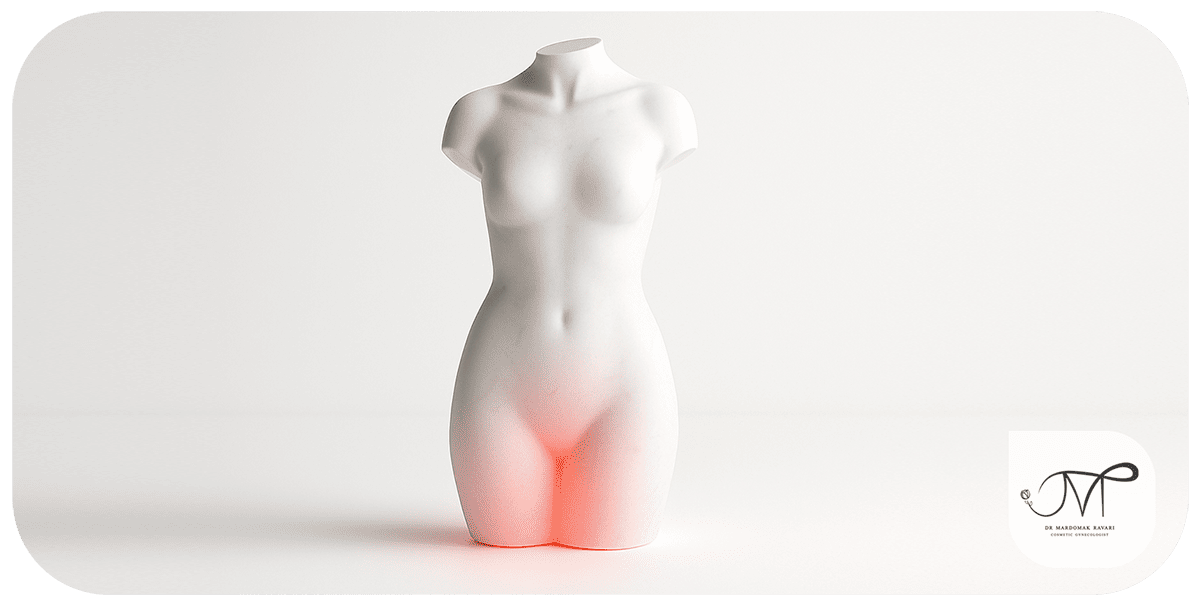
- Burning or sharp pain at the vaginal entrance during sex or touch
- Persistent soreness or raw sensation even outside of sex in more severe cases
- Marked tenderness with tampon insertion or internal examination
- Redness or erythema of the vestibule sometimes visible on exam
- Avoidance of intercourse due to anticipated pain and reduced desire secondary to pain
Clinical vignette
A 26 year old woman reports that whenever intercourse is attempted, the entrance of the vagina burns and she must stop. Even light touch causes intense pain, despite normal results on infection tests.
How vulvar vestibulitis is diagnosed
Diagnosis is clinical and made by a gynecologist or pelvic pain specialist. Steps typically include
- Detailed history clarifying onset, duration, triggers, prior infections, contraceptive use, and skin sensitivities
- Gentle physical exam with a cotton swab mapping method to identify specific tender points around the vestibule and to distinguish superficial from deeper pain
- Rule out other causes testing for infection when indicated, evaluating dermatoses such as lichen sclerosus, and assessing pelvic floor muscle tone
- Targeted labs when useful for example hormone evaluation in hypoestrogenic states or assessment of comorbid pain conditions
Treatment of vulvar vestibulitis
Care works best when layered and individualized. Start with gentle self care and add medical, physical, and psychological therapies as needed.
Lifestyle changes and first aid
- Avoid fragranced cleansers and harsh soaps choose plain water or a mild pH balanced intimate wash
- Prefer breathable, loose cotton underwear and avoid prolonged occlusion
- Take breaks from prolonged sitting or cycling during flares
- Use cool compresses for short term relief after triggers
Medical therapies
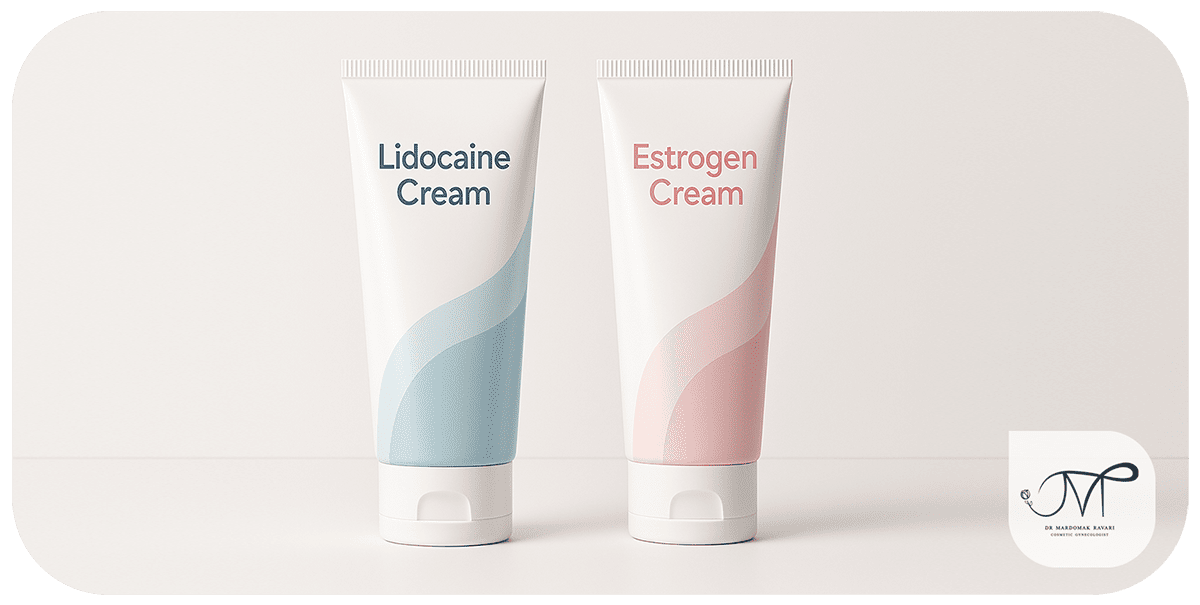
- Topical anesthetics such as lidocaine ointment applied before intimacy or physical therapy to blunt pain signals
- Local estrogen therapy for hypoestrogenic patients for example postpartum or postmenopausal women to improve tissue resilience and lubrication
- Neuromodulating medications tricyclic antidepressants or anticonvulsants low dose nortriptyline, amitriptyline, or gabapentin when nerve driven pain predominates
- Short courses of antifungals or antibacterials only if an active infection is documented
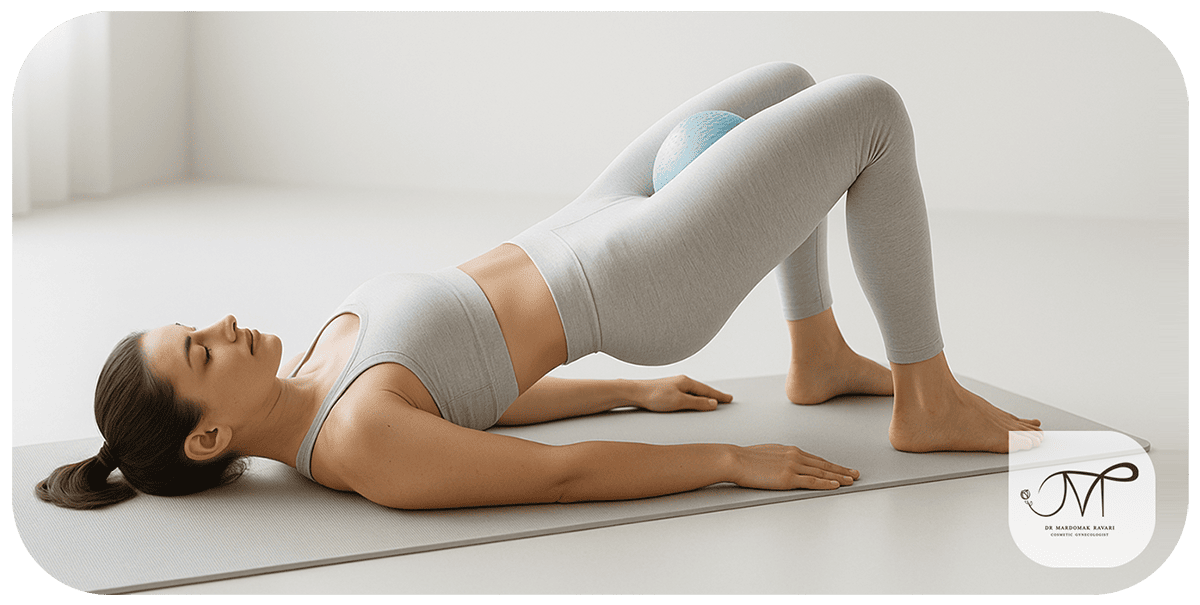
Pelvic floor physiotherapy
- Specialized pelvic floor therapy targets overactive or guarding muscles that often accompany vulvar vestibulitis
- Techniques include down training, manual trigger point release, relaxation focused pelvic floor work, and home exercises
- Biofeedback may help patients learn to relax rather than brace during touch
Psychological care
- Individual or couples counselling to address anxiety, catastrophizing, and fear avoidance patterns
- Sex therapy to rebuild comfort, pacing, and communication during intimacy
- Mindfulness based strategies to shift attention toward neutral or pleasant sensations and reduce pain amplification
Modern and adjunctive options
- Vaginal laser or radiofrequency treatments fractional CO2 or RF may promote collagen remodeling, improve blood flow, and reduce dryness in selected patients
- Botulinum toxin injections can relax hypertonic muscles at the vestibule and reduce pain related to spasm
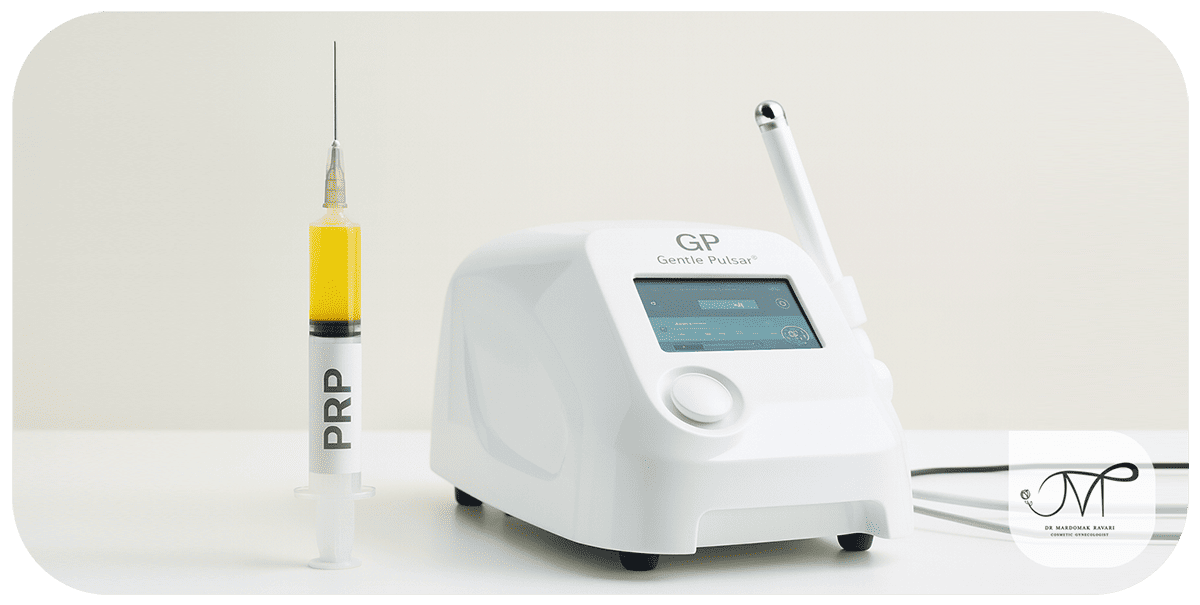
- PRP platelet rich plasma and exploratory regenerative options aim to support tissue healing and modulate inflammation
- Surgery vestibulectomy reserved for refractory cases after comprehensive conservative therapy, removing the most painful vestibular tissue with success reported in carefully selected patients
Prevention and self care for vulvar vestibulitis
Vulvar vestibulitis is a chronic pain condition of the vestibule that can flare with mechanical or chemical irritation. While not every trigger can be eliminated, daily habits and thoughtful intimacy can reduce pain and prevent worsening.
-
Personal hygiene
- Use only water or a gentle, unscented cleanser with balanced pH
- Pat dry with a soft towel; avoid vigorous rubbing
- Skip douching, which disrupts natural flora and can increase sensitivity
-
Clothing choices
- Choose breathable cotton underwear and change after workouts
- Avoid tight pants or synthetic fabrics that raise temperature and friction
- After exercise, remove damp clothing promptly
-
Making sex more comfortable
- Use generous amounts of high quality water based lubricant and reapply as needed
- Prioritize unhurried arousal and extended foreplay to enhance natural lubrication
- Stop if pain escalates; pushing through pain can worsen central sensitization
- Communicate openly with a partner to reduce pressure and expectations

-
Calming the nervous system
- Practice daily relaxation routines such as diaphragmatic breathing, meditation, or gentle yoga
- Mindfulness during intimacy helps shift focus from pain to neutral or pleasant sensations
- Consider counselling when stress, depression, or trauma reactions are present
-
Physical and medical supports
- Pelvic floor physiotherapy teaches down training and coordinated relaxation
- Try cool packs or, for some, warm sitz baths to discover which is more soothing
- Temporarily modify activities that compress the vestibule for example cycling or horseback riding during flares
- Schedule follow ups to reassess hormones, skin conditions, and comorbidities
-
Lifestyle foundations
- Adequate sleep reduces pain sensitivity and improves coping
- An anti inflammatory eating pattern emphasizing fish, leafy greens, nuts, and whole foods may help some patients
- Identify dietary or beverage triggers such as excess caffeine or alcohol that may worsen discomfort in certain individuals
-
Everyday practical tips
- Use a soft cushion or donut pillow when sitting for long periods
- During symptomatic days, favor low impact movement such as walking or swimming
- Keep a pain and trigger diary to identify patterns and personalize prevention
Simple self care checklist
- Clean with water or a mild unscented wash only
- Wear loose, cotton underwear
- Use water based lubricant as needed
- Practice 10 minutes of relaxation or breathing daily
- Aim for 7 to 8 hours of sleep
- Avoid intercourse when pain is high
- Apply cool or warm compresses during flares
- See a clinician if pain lasts more than three months
In one sentence
Preventing flares of vulvar vestibulitis means creating a calm, low irritation routine that lets tissue heal while you address muscles, nerves, and stress.
Similar Articles

Pain at the vaginal entrance has solutions;
Fill out the consultation form now and our assistant will contact you shortly.
 FAQ
FAQ
No comments have been posted.
Your email address will not be published. Required fields are marked *
Share:


