


Breast Abscess | Symptoms, Causes, and Treatment
Introduction
A breast abscess occurs when pus builds up inside breast tissue. It usually develops after an untreated breast infection (mastitis) and causes pain, swelling, and fever. Breastfeeding women are at the highest risk, but it can also occur in non-breastfeeding women and, rarely, in men. Timely diagnosis matters because untreated abscesses can damage breast tissue or spread the infection.
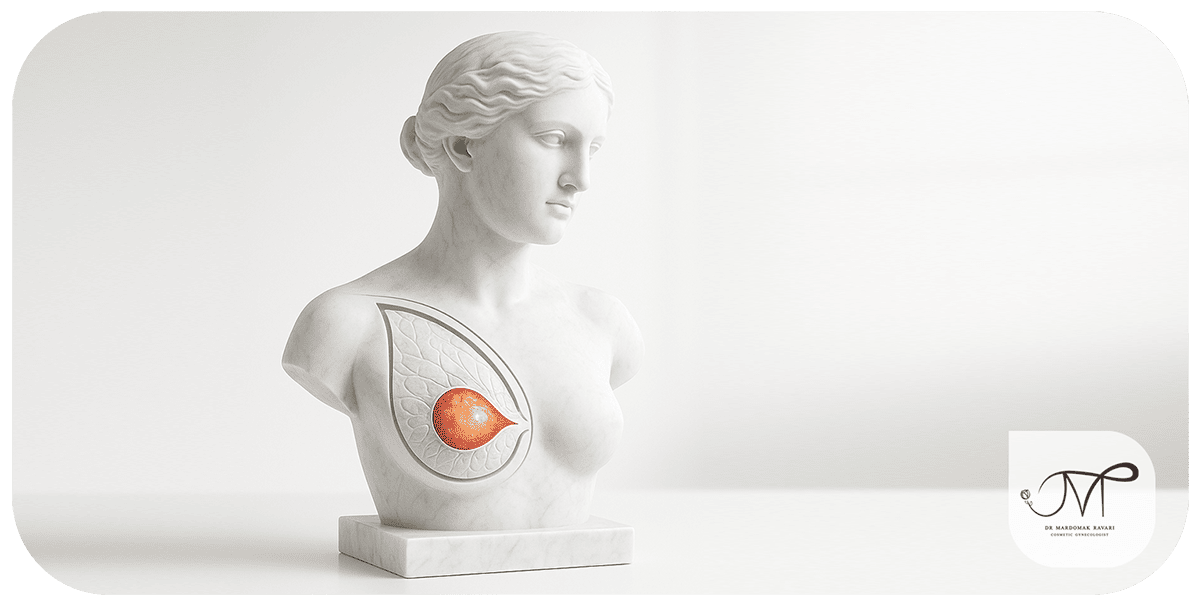
Symptoms of a breast abscess
- Painful, firm lump in the breast that is tender to touch
- Redness and warmth of the skin over the abscess
- Severe pain, especially when breastfeeding or touching the area
- Fever and chills
- Sometimes pus discharge from the nipple
- General fatigue and malaise
Causes and risk factors
A breast abscess usually results from a bacterial infection, often entering through cracks or wounds in the nipple.
Risk factors include:
- Untreated or delayed mastitis
- Irregular breastfeeding or incomplete milk drainage
- Cracked nipples
- Smoking (a major factor in non-lactational abscesses)
- Weakened immune system (e.g., uncontrolled diabetes, long-term corticosteroid use)
- Previous history of abscess
Diagnosis
- Clinical examination: doctor examines the red, swollen, painful area.
- Breast ultrasound: distinguishes abscess from other lumps and locates the pus.
- Culture of discharge or pus: helps select the right antibiotic in severe or recurrent cases.
Treatment of breast abscess
1. Medication
- Antibiotics (e.g., cephalexin or clindamycin depending on the case).
- Pain relievers and anti-inflammatories for fever and pain.
2. Drainage
- Needle aspiration (under ultrasound guidance), often for small or superficial abscesses.
- Incision and drainage (surgical): needed for large or recurrent abscesses. A small cut is made to drain the pus.
3. Supportive care
- Continuing breastfeeding or pumping milk from the affected breast (unless the doctor advises otherwise).
- Warm compresses to help drainage.
- Adequate rest and hydration.
Prevention and self-care
A breast abscess usually develops as a complication of untreated mastitis. Preventing mastitis reduces abscess risk. Simple steps help:
-
Proper breastfeeding routine
– Ensure full drainage of both breasts. If the baby cannot finish, pump the remaining milk.
– Change breastfeeding positions to empty all areas of the breast.
– If one part feels hard and painful, start feeding on that side first because initial sucking is strongest.
-
Nipple care
– Cracks allow bacteria to enter. After feeding, rub a few drops of breast milk on the nipple for natural antibacterial protection.
– Use safe creams like lanolin to keep nipples moisturized.
– Avoid harsh soaps and frequent washing with cleansers as they cause dryness and cracks.
-
Hygiene and clothing
– Wear soft, cotton bras to avoid pressure on the breasts.
– Avoid tight bras or clothing, which can block milk ducts and increase infection risk.
-
Healthy lifestyle
- Get enough rest; fatigue weakens the immune system.
- Eat a diet rich in fruits and vegetables, and stay hydrated.
- Quit smoking, as it is the main risk factor for non-lactational abscesses.
-
Warm and cold compresses
- Warm compress before breastfeeding to improve milk flow.
- Cold compress after feeding to reduce pain and swelling.
-
Act quickly if symptoms appear
- Don’t wait if your breast becomes red, painful, or swollen. See a doctor immediately.
- Fever or chills are warning signs that should not be ignored.
Summary tip: Prevention means complete breast emptying + nipple care + healthy lifestyle + quick action at early signs.
Clinical examples
– Case 1: A 29-year-old woman, 4 weeks after delivery, had pain and swelling in the right breast. Ultrasound showed a 2 cm abscess. Needle aspiration + antibiotics cured her in 10 days.
– Case 2: A 35-year-old woman with recurrent mastitis developed a larger abscess requiring surgical drainage. With proper breastfeeding training, she had no recurrence.
– Case 3: A 40-year-old non-breastfeeding, smoking woman presented with a painful lump. Diagnosed as a non-lactational abscess, she needed surgical drainage and long-term antibiotics.
Conclusion
A breast abscess is usually a complication of untreated mastitis, characterized by pain, swelling, and pus accumulation in the breast tissue.
The main treatment involves a combination of antibiotics and drainage of the abscess.
With early diagnosis, proper nipple care, and correct breastfeeding techniques, this condition can often be prevented or stopped from recurring.
In many cases, the symptoms of a breast abscess can be mistaken for other breast conditions, especially breast cysts, which may also appear as painful or swollen lumps.
The key difference is that an abscess typically presents with inflammation, redness, and fever, and requires antibiotic therapy and drainage, whereas cysts are usually benign and non-febrile.
In some instances, infected or treatment-resistant lumps may resemble breast cancer, and an accurate diagnosis requires ultrasound or biopsy.
Therefore, any persistent lump or breast pain should always be evaluated by a specialist to ensure proper diagnosis and timely treatment, preventing complications or delays in care.
Similar Articles

Painful lump or pus discharge from the breast?
Fill out the consultation form now and our assistant will contact you shortly.
 FAQ
FAQ
No comments have been posted.
Your email address will not be published. Required fields are marked *
Share:


