


Stress and Urge Urinary Incontinence | Symptoms, Causes, and Treatments
Introduction
Urinary incontinence means involuntary leakage of urine—a problem many women experience for various reasons, including multiple childbirths, menopause, or weakened pelvic floor muscles. It can be very distressing, not only because of hygiene issues but also due to its impact on self-confidence, social life, and even sexual relationships.
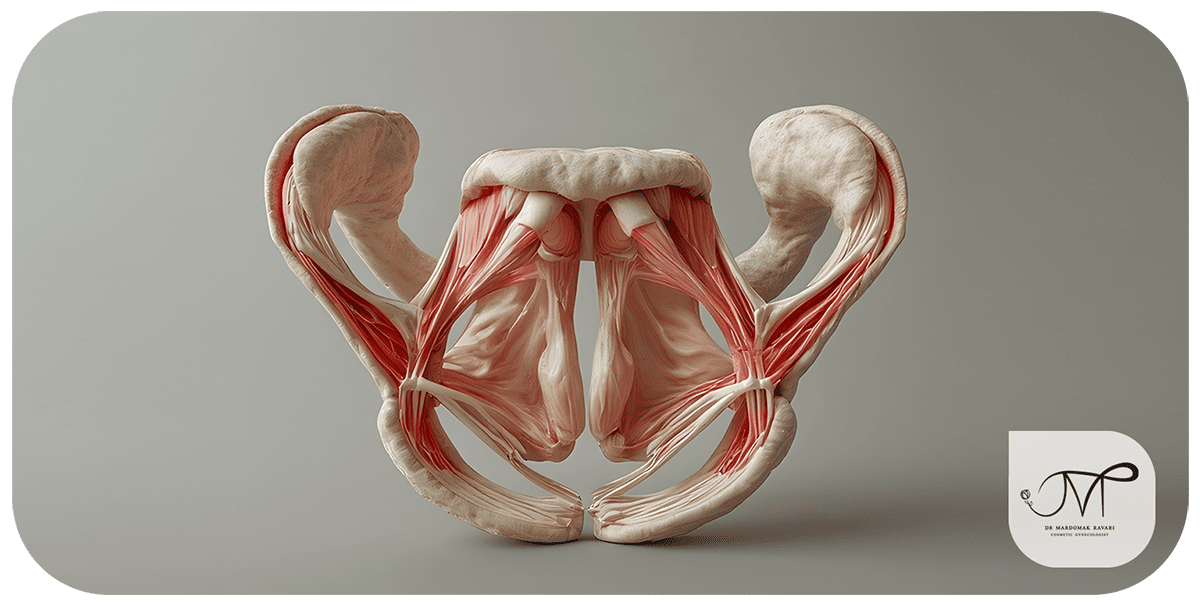
Two common types:
- Stress incontinence: leakage with sneezing, coughing, laughing, or exercise.
- Urge incontinence: a sudden, strong need to urinate that is hard to control and may lead to leakage.
Symptoms of urinary incontinence
Stress incontinence
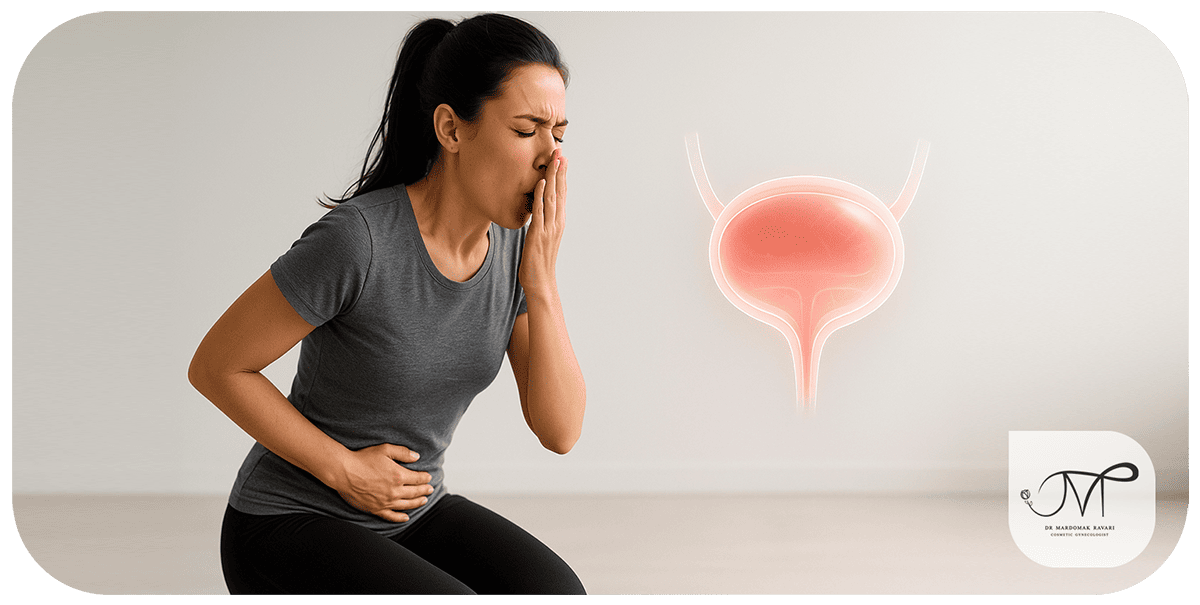
- Dribbling or leakage when coughing, sneezing, laughing, or running
- Worsening with heavy activity or exercise
- Usually painless and without prior warning
Urge incontinence
- Sudden, overwhelming urge to urinate
- Frequent trips to the bathroom (sometimes more than eight times a day)
- Waking repeatedly at night to urinate (nocturia)
- Leakage before reaching the toilet
Causes and risk factors
- Multiple or difficult vaginal deliveries → weak pelvic floor muscles
- Menopause and low estrogen → weaker support tissues around the bladder
- Aging → reduced muscle contractility
- Obesity and excess weight → higher abdominal pressure on the bladder
- Chronic cough or chronic constipation → ongoing stress on the pelvic floor
- Neurologic disease (for example MS or stroke) → more often linked to urge incontinence
- Caffeine, alcohol, or diuretics → bladder irritation and frequency
How incontinence is diagnosed
- Detailed history taking about when, how often, and under what conditions leakage occurs
- Pelvic exam to assess pelvic floor weakness or prolapse
- Urinalysis to rule out infection or other issues
- Pad test (measuring leakage over a set time)
- Urodynamic studies to evaluate bladder and pelvic floor function in complex cases
Treatment of urinary incontinence
-
Lifestyle changes and home measures
- Reduce caffeine, soda, and alcohol
- Manage weight and treat obesity
- Prevent constipation with a high-fiber diet and adequate fluids
- Bladder training: scheduled voiding at set intervals to retrain timing
-
Pelvic floor (Kegel) exercises
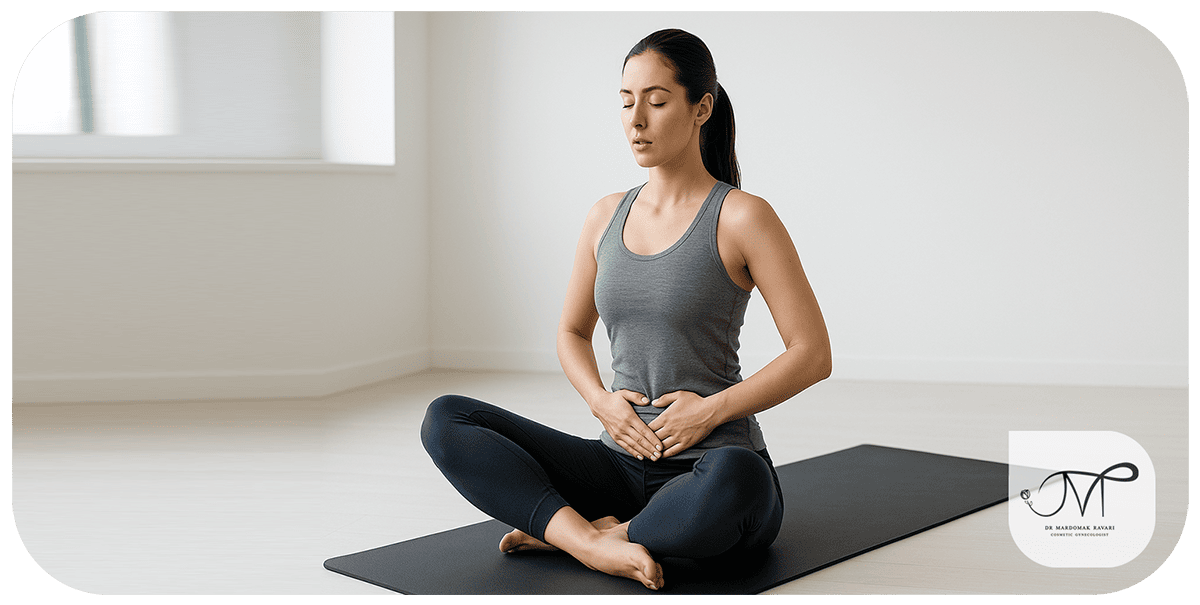
- Daily exercises to strengthen pelvic floor muscles are particularly effective for stress incontinence
- They can also help urge incontinence by improving control over the bladder
-
Medications
- For urge incontinence: anticholinergics or beta-3 agonists to relax the bladder
- For postmenopausal women: local (vaginal) estrogen to improve urethral and vaginal tissue quality
-
Newer therapies
-
Radiofrequency (RF) therapy
How it works
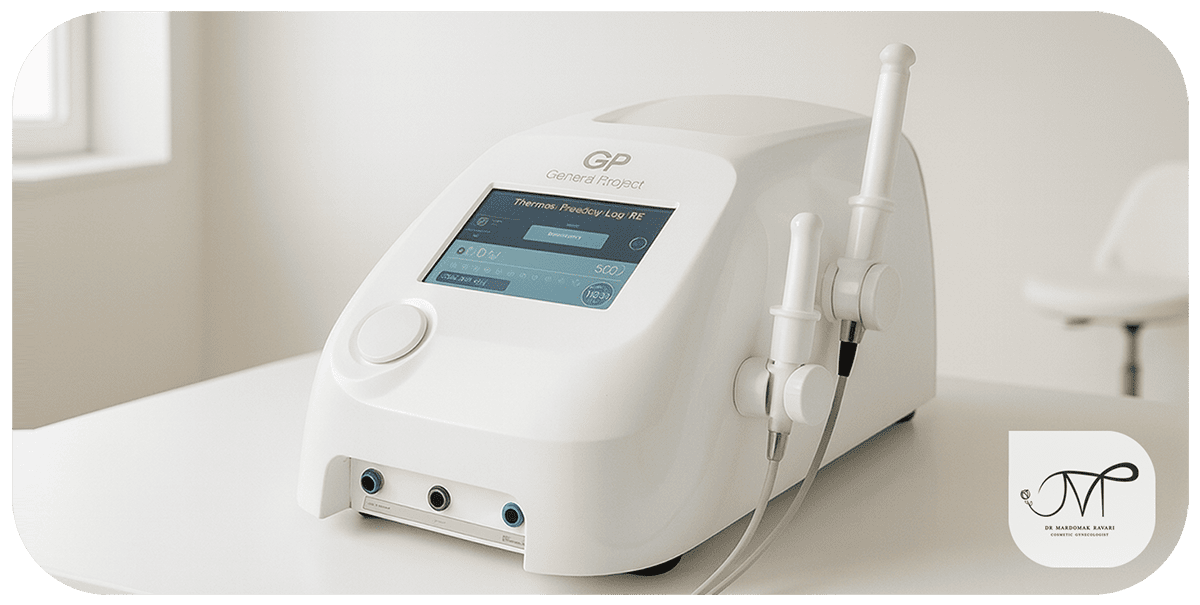
An RF device delivers gentle radiofrequency energy to tissues around the urethra and vaginal wall. The heat in deeper layers stimulates the body to produce more collagen and elastin. Tissues become firmer and more resilient, improving support.
Advantages
o Non-surgical and no general anesthesia
o Minimal downtime (same-day return to routine activities)
o Gradual improvement over weeks with benefits lasting 1–2 years
o Suitable for women who prefer to avoid hormones or surgery
Best candidates
Women with mild to moderate stress incontinence, especially after childbirth or in early menopause.
-
Stem-cell based injections
What they are
Biologic preparations derived from stem cells that contain growth factors, proteins, and specific RNAs acting as “repair messengers,” prompting local tissue regeneration.
How they are used for incontinence
They are injected around the urethra and pelvic floor to:
- Regenerate and repair weakened tissues
- Improve blood supply and microcirculation
- Stimulate collagen production and tissue firmness
- Reduce chronic low-grade inflammation
Advantages
- Minimally invasive
- Longer-lasting regenerative effect than temporary fillers
- Uses the body’s own biology for repair rather than synthetic drugs
- Attractive option for women seeking newer, lower-risk treatments
-
Combining RF with stem-cell–based therapy
In many modern clinics, RF is paired with regenerative injections. RF “primes” the tissue and the biologic injections deliver repair signals, potentially accelerating and amplifying recovery. The result is firmer support around the urethra and better control of urine without prolonged downtime.
Summary of newer options
RF and regenerative injections can be excellent choices for women with mild to moderate incontinence. They are non-surgical, low-complication, and relatively long-lasting, and they can complement Kegels and lifestyle measures.
- Urethral bulking with fillers or collagen: improves urethral closure to reduce leakage.
-
Surgery
For severe or treatment-resistant cases:
- Mid-urethral sling (TVT or TOT) to support the urethra
- Corrective pelvic organ prolapse surgery combined with incontinence procedures when indicated
Prevention and self-care
Urinary incontinence is not always preventable, but lifestyle changes and proper training can greatly lower the risk or reduce symptom severity.
-
Healthy lifestyle
- Keep a healthy weight: each extra kilogram adds pressure to the bladder and pelvic floor
- Limit bladder irritants: strong tea, coffee, caffeinated sodas, and alcohol
- Take constipation seriously: straining weakens the pelvic floor over time
- Do not smoke: smoker’s cough worsens stress incontinence
- Smart bathroom habits: empty the bladder fully without straining
-
Kegel exercises (pelvic floor strengthening)
The simplest and most effective first-line approach for prevention and treatment.
Step 1: Find the right muscles
- Once, while urinating, try briefly stopping the stream. The muscles that activate are your pelvic floor.
Note: this is only to identify the muscles. Do not routinely practice during urination.
Step 2: Begin training
- Lie on your back with knees bent and relax
- Tighten the pelvic floor (as if stopping urine)
- Hold for 3 to 5 seconds, then fully relax for 3 to 5 seconds
Step 3: Sets and frequency
- Repeat 10 times
- Do three sets per day (morning, afternoon, night)
Step 4: Progression
- After 2 to 3 weeks, extend holds to 8–10 seconds
- Practice in sitting and standing so the muscles work in daily positions
Step 5: Quick contractions
- Rapidly tighten and release 10 times in a row
- This helps in “surprise” moments like a sudden sneeze or laugh
Step 6: The Knack technique
- Just before a sneeze, cough, or lifting, do one brief pre-contraction of the pelvic floor
- This prevents stress-related leaks
-
Additional supports
- Bladder training: gradually lengthen the interval between voids. If you go every 60 minutes, aim for 75, then 90 minutes
- Adequate hydration: too little fluid can irritate the bladder
- Stress management: high stress can trigger urgency and worsen urge incontinence
What to expect
Consistent Kegels and lifestyle changes are the first and most effective defenses against urinary incontinence. With regular practice, noticeable improvements often appear within 6 to 8 weeks.
Clinical examples
- Case 1: A 32-year-old woman after her second vaginal delivery reported leakage when laughing. After three months of Kegels and weight loss, symptoms resolved completely.
- Case 2: A 55-year-old postmenopausal woman with urge incontinence and frequent nighttime urination improved significantly with bladder-specific medication and bladder training.
- Case 3: A 45-year-old woman with severe stress incontinence unresponsive to medication underwent a TVT sling procedure and returned to daily and athletic activities without issues.
Conclusion
The connection between urinary incontinence and uterine or vaginal prolapse is very close, as both result from weakened pelvic floor muscles and reduced tissue support in the pelvic area.
Women with pelvic organ prolapse often experience some degree of urine leakage as well.
Modern treatments such as vaginal rejuvenation using laser or RF (radiofrequency) not only improve the appearance and function of vaginal tissue but also stimulate collagen production and strengthen the vaginal walls — helping control incontinence and improving quality of life.
Combining these therapies with pelvic floor exercises and lifestyle modifications offers one of the most effective non-surgical approaches to restoring pelvic health.
Urinary incontinence is a common but treatable condition in women, often caused by childbirth, menopause, or pelvic muscle weakness.
Understanding the type of incontinence (stress or urge) and choosing the right treatment are key to symptom control and returning to a normal lifestyle.
Fortunately, with RF therapy, stem cell injections, and Kegel exercises, bladder and pelvic function can be improved without surgery.
Focusing on pelvic floor health, maintaining a healthy weight, and attending regular gynecologic checkups remain the best ways to prevent recurrence and preserve long-term quality of life.

Is urinary incontinence wearing you down?
Fill out the consultation form now and our assistant will contact you shortly.
 FAQ
FAQ
No comments have been posted.
Your email address will not be published. Required fields are marked *


