



Uterine and Vaginal Prolapse (Pelvic Organ Prolapse) | Symptoms, Causes, and Treatments
Introduction
Uterine and vaginal prolapse is a common problem in women, often appearing after multiple vaginal deliveries, with aging, or after menopause. In prolapse, the pelvic floor muscles and supporting tissues become weak, and the uterus or the vaginal walls descend. This can cause pelvic pressure, discomfort, urinary leakage, and even sexual problems. Many women initially assume these symptoms are “normal,” but timely treatment can dramatically improve quality of life.
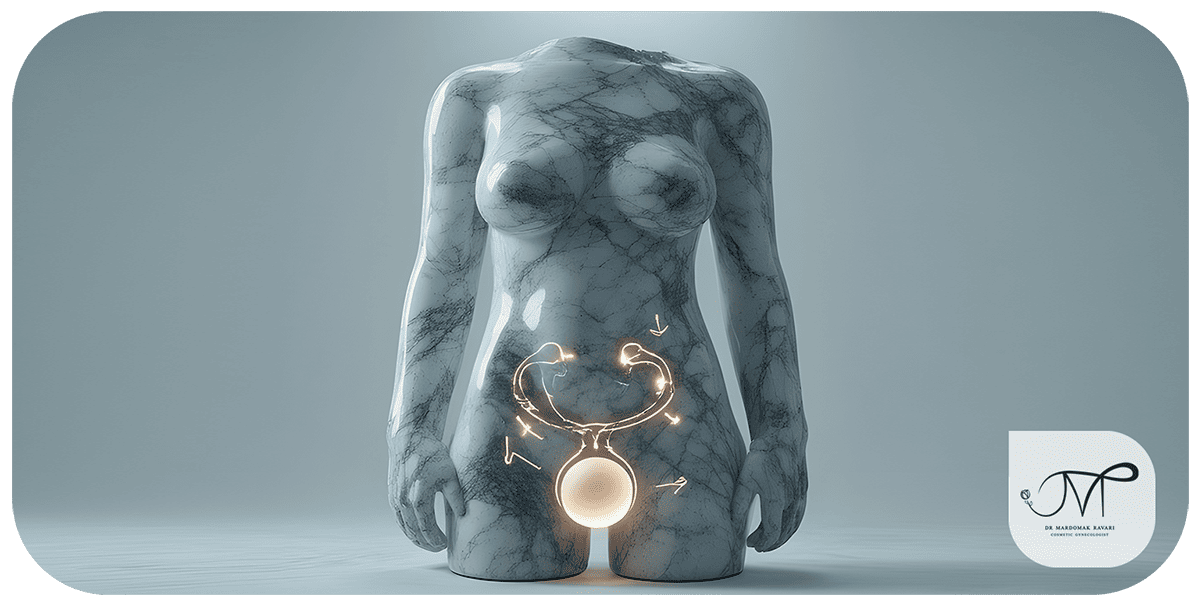
Symptoms of uterine and vaginal prolapse
Symptoms range from mild to severe and usually become more noticeable as pelvic pressure increases.
-
Pelvic heaviness or pressure
Many women say, “It feels like something is pulling or weighing down in my lower belly,” similar to a persistent tugging or a lump-like sensation in the pelvis.
-
Bulge or tissue protruding from the vagina
With moderate to severe prolapse, a bulge or “ball” may be seen or felt at the vaginal opening.
-
Pain or discomfort during sex
Prolapse can lead to vaginal dryness, pain, or pressure with intercourse and reduce sexual satisfaction.
-
Urinary problems
- Urinary frequency or urgency
- Stress incontinence (leakage with laughing, sneezing, exercise)
- Feeling of incomplete bladder emptying
-
Bowel symptoms
With rectocele, there may be chronic constipation or a sense of blockage during bowel movements.
-
Low back or pelvic pain
A dull, ongoing ache that worsens with activity or prolonged standing.
-
Changes in menstrual flow
In severe cases, abnormal bleeding or altered cycles may occur.
-
Sensation of a foreign body in the vagina
Some women describe it as “like a tampon left inside,” especially noticeable while sitting or standing for long periods.
Causes and risk factors
The main cause is stretching or weakness of the pelvic floor.
- Difficult or multiple vaginal births
- Menopause and low estrogen, which weakens support tissues
- Aging-related changes
- Obesity and excess weight that increase pelvic pressure
- Repeated heavy lifting
- Chronic cough or chronic constipation that raises intra-abdominal pressure
- Family history or connective tissue weakness
Diagnosis
- History and symptom review
- Pelvic examination to grade the prolapse
- Tests for bladder or bowel function when needed
Treatment options

-
Non-surgical treatments
- Pelvic floor exercises (Kegels): regularly contracting and relaxing the pelvic floor strengthens support and may halt progression.
- Specialized pelvic floor physical therapy: manual and device-assisted techniques to improve strength and coordination.
- Vaginal pessary: a small silicone device placed in the vagina to support the uterus and vaginal walls like a brace.
- Local estrogen therapy: in postmenopausal women, vaginal estrogen can improve tissue quality and response to exercise.
-
Surgical treatments
- Anterior or posterior vaginal repair: corrects bladder (cystocele) or rectal (rectocele) prolapse.
- Hysterectomy: considered for severe cases or when uterine disease coexists.
- Minimally invasive approaches (laparoscopy or robotic): smaller incisions, less pain, and faster recovery.
-
Modern and adjunct approaches
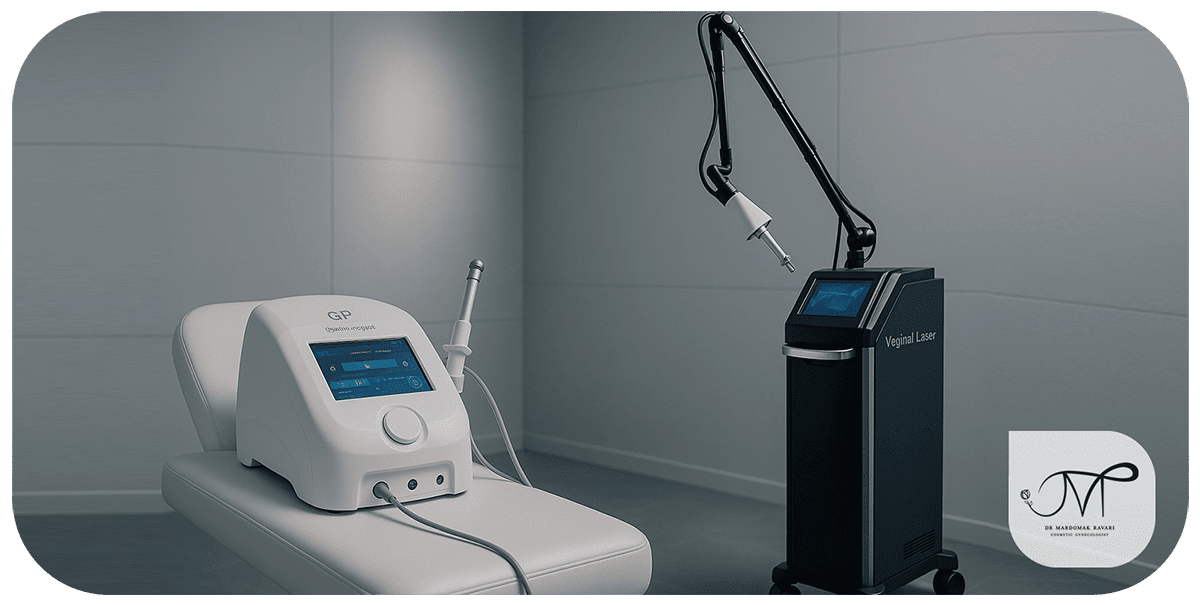
- Vaginal laser therapy (CO2 or Er:YAG): stimulates collagen remodeling, improving firmness and support in mild to moderate prolapse.
- Radiofrequency (RF): controlled heat strengthens tissues and pelvic floor without surgery; short outpatient sessions.
- PRP injections: platelet-rich plasma from the patient’s own blood may promote tissue healing and remodeling.
- Combination regimens: tailored mixes of laser, RF, and pelvic floor training for selected patients.
Prevention and self-care for prolapse
Prolapse results from gradual weakening of pelvic floor muscles and ligaments. The good news: a few daily habits and a simple program can slow progression and ease symptoms.
Daily golden rules
- Keep a healthy weight: losing even 5–10 percent of excess weight reduces pelvic strain.
- Prevent constipation: 25–30 g of fiber daily (vegetables, fruit, legumes, whole grains) plus 6–8 glasses of water. Use a small footstool on the toilet so knees sit slightly above hips to lower straining.
- Treat chronic cough: manage allergies, reflux, or quit smoking; long-standing cough stresses the pelvic floor.
- Lift smart: avoid heavy loads when possible. If you must lift, keep the load close, bend knees, engage core gently on the way down, and exhale as you lift.
- Breathe correctly during effort: exhale during the hardest part of a task to prevent pressure spikes.
- Choose low-impact exercise: brisk walking, swimming, gentle yoga. Avoid high-impact jumps or heavy presses that spike abdominal pressure.
- Postmenopause tissue care: if appropriate, local estrogen can strengthen tissues and improve training response.
- Use a pessary when needed: it provides internal support while you continue exercises.
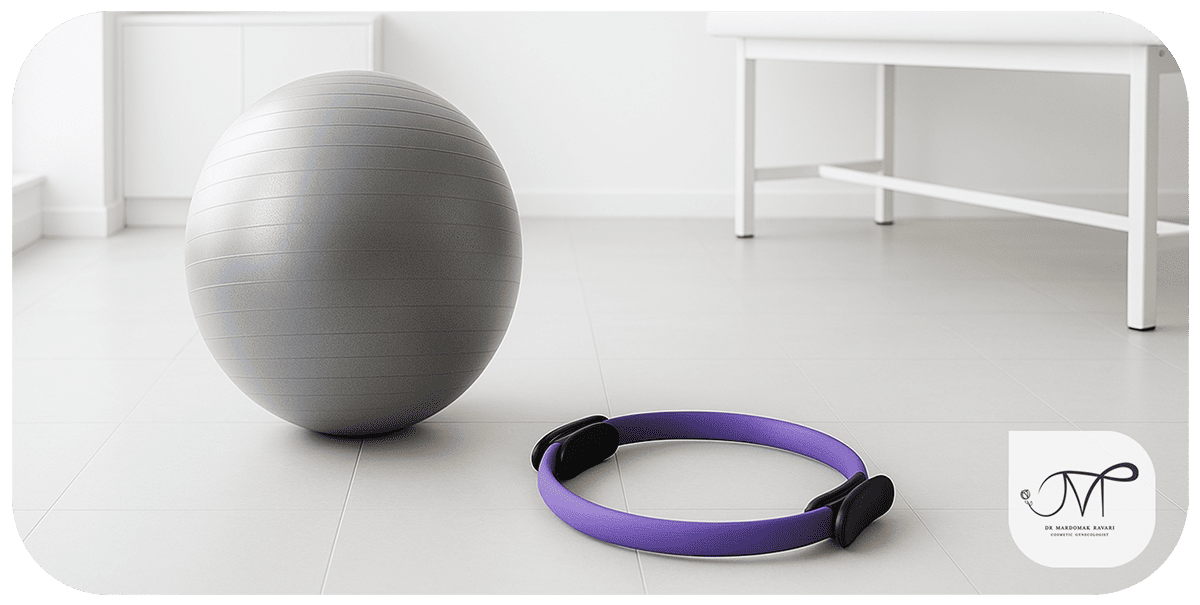
Kegel Exercises for Pelvic Floor Strength
Kegel exercises are the simplest and most effective method to prevent and manage uterine and vaginal prolapse.
How to Perform:
- Identify the correct muscle — the one that stops the flow of urine midstream.
- Hold the contraction for 5 seconds, then relax for 5 seconds.
- Repeat 10 times, three sessions daily (morning, noon, and night).
- Gradually increase each contraction to 10 seconds and add quick squeezes over time.
Important Tip: Do not hold your breath or tighten your abdomen or buttocks during the exercise.
Daily Lifestyle Guidelines
| Area | Do’s | Don’ts |
|---|---|---|
| Bowel Habits | Eat fiber-rich foods, drink enough water, use a small footstool while on the toilet | Avoid straining for long periods |
| Physical Activity | Walk, swim, practice yoga, and breathe properly | Avoid high-impact or heavy-weight exercises |
| Cough | Treat allergies, quit smoking | Leave chronic cough untreated |
| Lifting Objects | Bend knees and exhale while lifting | Avoid twisting suddenly with heavy loads |
| Exercise Routine | Kegel: 10 slow + 10 quick contractions, 3 times daily | Avoid repeatedly stopping urine flow for practice |
When to See a Doctor
- Noticeable bulge or sore at the vaginal opening
- Severe pelvic pressure or pain
- Recurrent urinary tract infections
- Abnormal bleeding or foul-smelling discharge
- No improvement after consistent home care and exercise
Patient Cases
Case 1:
A 45-year-old woman with pelvic pressure and urinary leakage achieved full recovery after pelvic floor exercises and pessary use.
Case 2:
A 60-year-old woman with severe uterine prolapse returned to normal after surgical repair.
Case 3:
A 35-year-old woman with pelvic pain from heavy labor improved with weight loss and physiotherapy.
Conclusion
Uterine and vaginal prolapse is a common but treatable condition.
Early diagnosis, regular exercise, healthy lifestyle habits, and — when needed — modern treatments such as laser or radiofrequency (RF) therapy can greatly reduce symptoms.
Awareness and regular visits to a gynecologist are key to preventing complications and maintaining lifelong pelvic health.
Similar Articles

Feeling pressure or a bulge in the vaginal area?
Fill out the consultation form now and our assistant will contact you shortly.
 FAQ
FAQ
No comments have been posted.
Your email address will not be published. Required fields are marked *


