


Vaginal Dryness and Painful Intercourse After Menopause
Introduction: Why this topic matters
After menopause, declining estrogen can lead to vaginal dryness and painful intercourse (dyspareunia). Many women think this is trivial or simply part of normal aging, but it can significantly affect quality of life, a sense of wellbeing, intimate relationships, and even mental health. Studies suggest about 75 percent of postmenopausal women have vaginal dryness, and nearly 40 percent experience pain with intercourse.
Causes of postmenopausal dryness and pain
- Reduced estrogen: the main reason for thinner, drier, and less elastic vaginal tissue
- Natural or early menopause after cancer therapies, oophorectomy, or radiation
- Aggravating risk factors: smoking, obesity, reduced sexual activity, stress, anti-sexual side-effect medications, or conditions such as diabetes
Common symptoms
- Burning, dryness, or a feeling of tightness in the vagina
- Pain or bleeding during sex
- Decreased or altered natural lubrication
- Sleep or sexual function problems due to ongoing discomfort
- Psychological impact: lower satisfaction, anxiety, or depression
Treatment options
-
Modern therapies (laser, RF, PRP, and stem cell–based approaches)
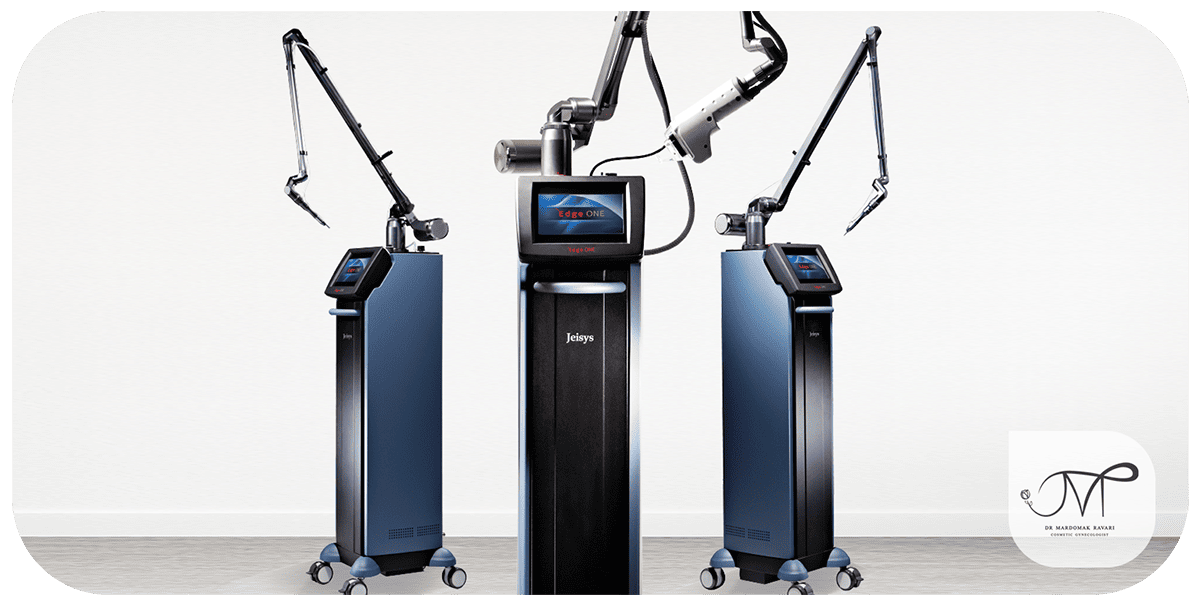
- Fractional CO₂ laser: stimulates the vaginal lining to boost collagen production and blood flow, making tissue softer and more hydrated. Usually done in several sessions, with effects that can last longer than lubricants.
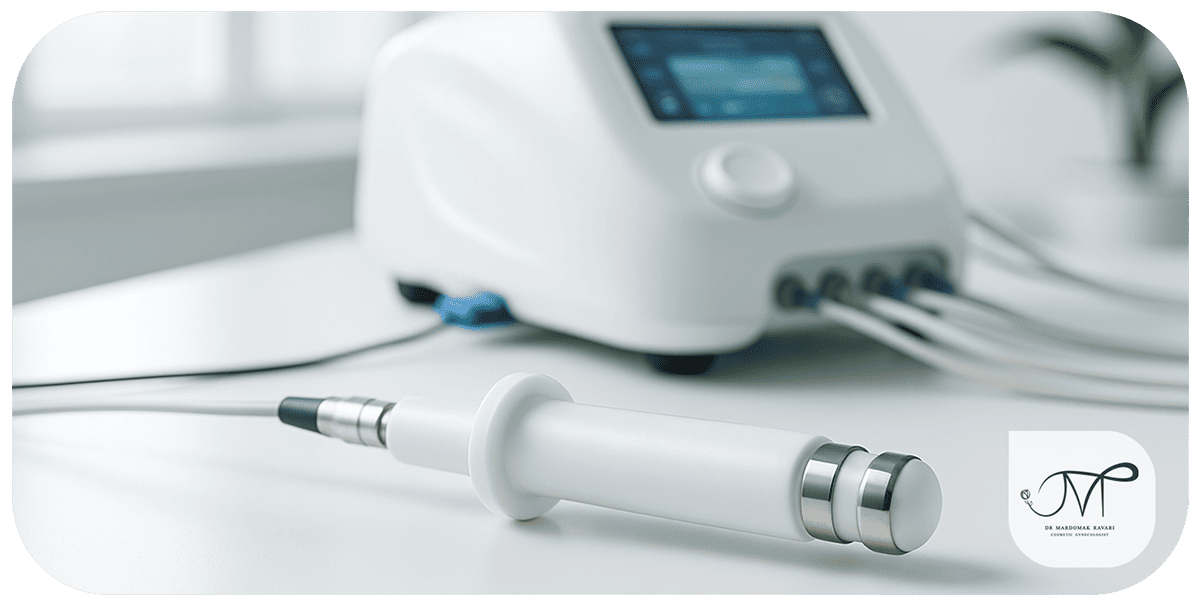
- Vaginal RF (radiofrequency): radio waves create gentle heat that thickens the vaginal wall and improves moisture. Non-surgical and typically requires little to no downtime.
- PRP injections (platelet-rich plasma): prepared from the patient’s own blood and injected into the vaginal wall. Growth factors in PRP promote tissue repair and more natural moisture.
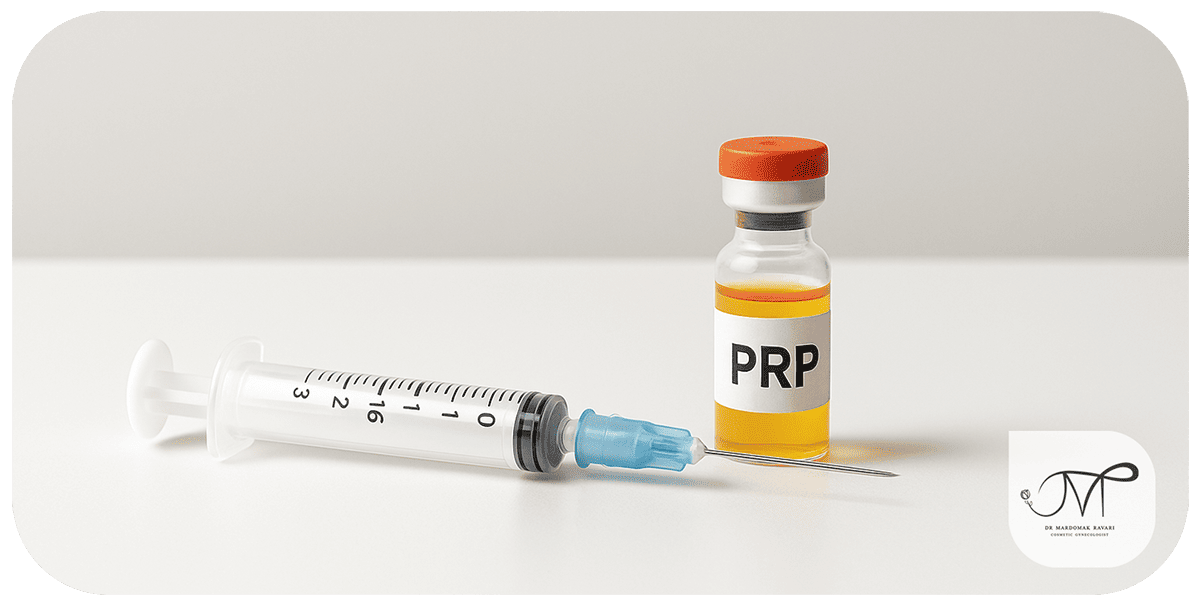
Stem cell injections: a newer approach gaining traction in gynecology. These cell-derived products aim to support tissue regeneration. When injected into the vaginal tissue:
o They may stimulate collagen formation and repair damaged cells.
o Local blood flow may increase.
o Vaginal moisture and elasticity may improve.
o Results may appear faster than with PRP and may last longer.
This method is still relatively new and must be performed by an experienced physician in a reputable clinic. Early reports suggest that combining laser or RF with stem cell–based injections yields strong results for postmenopausal dryness and pain.
-
Medications
- Local estrogen: creams, rings, or tablets placed in the vagina are very effective for dryness and pain
- Nonhormonal medicines: such as ospemifene, which targets estrogen receptors, and local DHEA are also effective options
-
Natural and supportive measures
-
- Regular use of vaginal moisturizers and lubricants (water- or silicone-based) for intercourse
- Maintaining regular sexual activity or gentle vaginal stimulation to improve blood flow and tissue flexibility
Lifestyle guide
Women who face dryness or pain after menopause can feel better quickly with small lifestyle changes. A healthy diet with fruits, fresh vegetables, whole grains, and omega-3 rich foods such as walnuts and fish supports tissue repair. Drinking enough water matters, because dehydration often worsens dryness of skin and mucosa. Regular physical activity, especially walking and pelvic floor exercises (Kegels), boosts pelvic blood flow and strengthens supportive muscles. Choose breathable cotton underwear, and avoid scented washes or soaps that can worsen dryness. Finally, regular sexual activity or gentle vaginal stimulation is a natural way to help maintain moisture and elasticity.
|
Area |
Practical advice | Key point |
|
Diet and drinks |
Balanced diet with fruits, vegetables, omega-3; adequate water |
Limit triggers such as alcohol and caffeine |
|
Exercise |
Daily 30 minutes of walking or tai chi |
Avoid vigorous late-evening workouts |
|
Ambient comfort |
Wear cotton underwear, keep the bedroom cool |
Comfortable sleep temperature reduces sweating |
|
Stress |
Meditation, deep breathing, talking with loved ones |
Calmer mind helps reduce physical symptoms |
|
Sexual activity |
Maintain regular intimacy or nonsexual stimulation |
Improves blood flow and eases symptoms |
| Tissue prevention | Routine moisturizers plus lubricants during intercourse |
Prevention is better than advanced treatment |
Clinical examples
Case 1
A 57-year-old postmenopausal woman presented with severe pain during intercourse and dryness at the vaginal entrance. After three sessions of vaginal RF plus lubricant use, her pain resolved completely and her sexual quality improved.
Case 2
A 50-year-old woman with a history of breast cancer preferred to avoid estrogen. With PRP injections and vaginal laser alongside moisturizers, her dryness and pain improved markedly over two months.
Case 3
A 60-year-old postmenopausal woman relied only on moisturizers and regular intimacy and achieved satisfying relief without any medical procedures.
Conclusion
Vaginal dryness and painful intercourse after menopause are common and treatable. Modern options such as laser, RF, and PRP, together with medications and lifestyle adjustments, can markedly improve sexual comfort and overall quality of life.
References
- StatPearls – Genitourinary Syndrome of Menopause epidemiology (2024)
- AGATA study – prevalence vaginal dryness & dyspareunia (2016)
- Cleveland Clinic – Vaginal atrophy symptoms & treatment (2023)
- Mayo Clinic – Vaginal dryness after menopause treatment (2024)
- AAFP – Dyspareunia treatment recommendations (2021)

Say goodbye to vaginal dryness or pain with intercourse!
Fill out the consultation form now and our assistant will contact you shortly.
 FAQ
FAQ
No comments have been posted.
Your email address will not be published. Required fields are marked *
Share:


