


Mastitis | Symptoms, Causes, and Treatment Options
Introduction
Mastitis is a common condition in women, especially during breastfeeding. It occurs when breast tissue becomes inflamed, often accompanied by bacterial infection. Women with mastitis typically experience pain, swelling, redness, and sometimes fever. While the condition can be distressing and temporarily disabling, with prompt treatment it usually resolves well and poses no serious danger to either mother or infant.
Symptoms
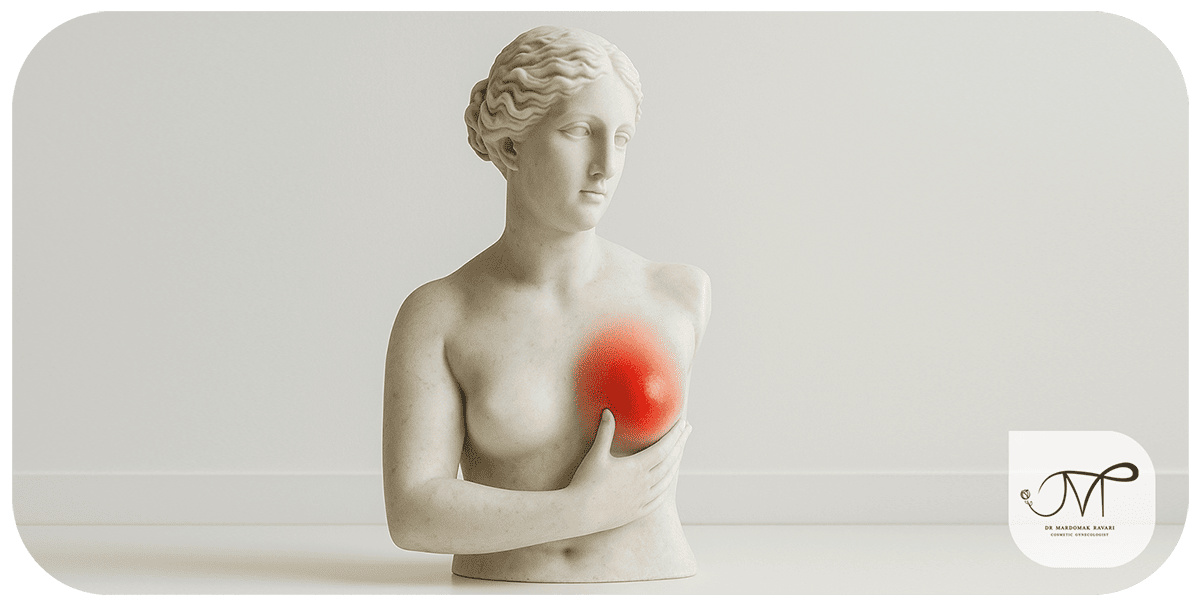
- Intense pain or tenderness in one part of the breast
- Redness and warmth of the skin
- Localized swelling or firmness
- Fever and chills
- Fatigue or malaise
- Sometimes a tender lump caused by blocked milk ducts
- In severe cases, abscess (a pocket of pus) formation
Causes and risk factors
Main cause
Mastitis is usually triggered by milk duct blockage or by bacteria (most commonly Staphylococcus aureus) entering through cracks in the nipple.
Risk factors
- Irregular breastfeeding or incomplete emptying of the breast
- Cracked or sore nipples
- Maternal stress and fatigue
- Tight bras that restrict milk flow
- History of mastitis during prior pregnancies or breastfeeding
Diagnostic methods
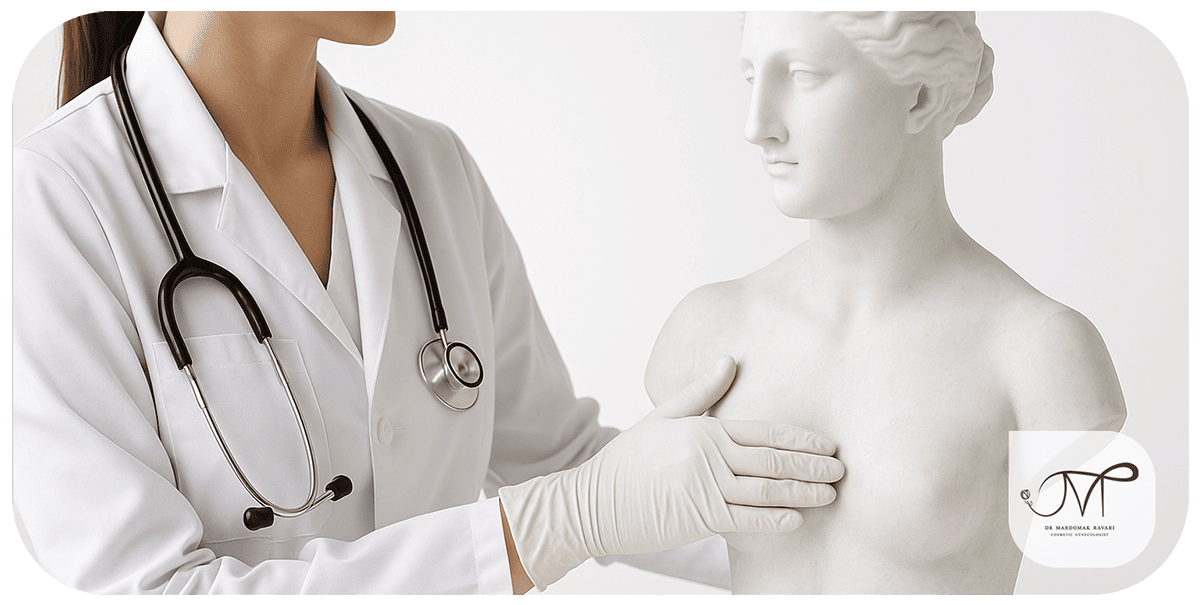
- Medical history and review of symptoms
- Physical examination of the breast to assess redness, warmth, and tenderness
- Ultrasound if an abscess is suspected
- Culture of breast milk or discharge in severe or recurrent cases to identify bacteria
Treatments
-
Home and supportive care
- Continue breastfeeding or pumping to keep the breast empty
- Warm compresses before feeds to open ducts
- Cold compresses after feeds to reduce pain and swelling
- Adequate rest and hydration
-
Medication
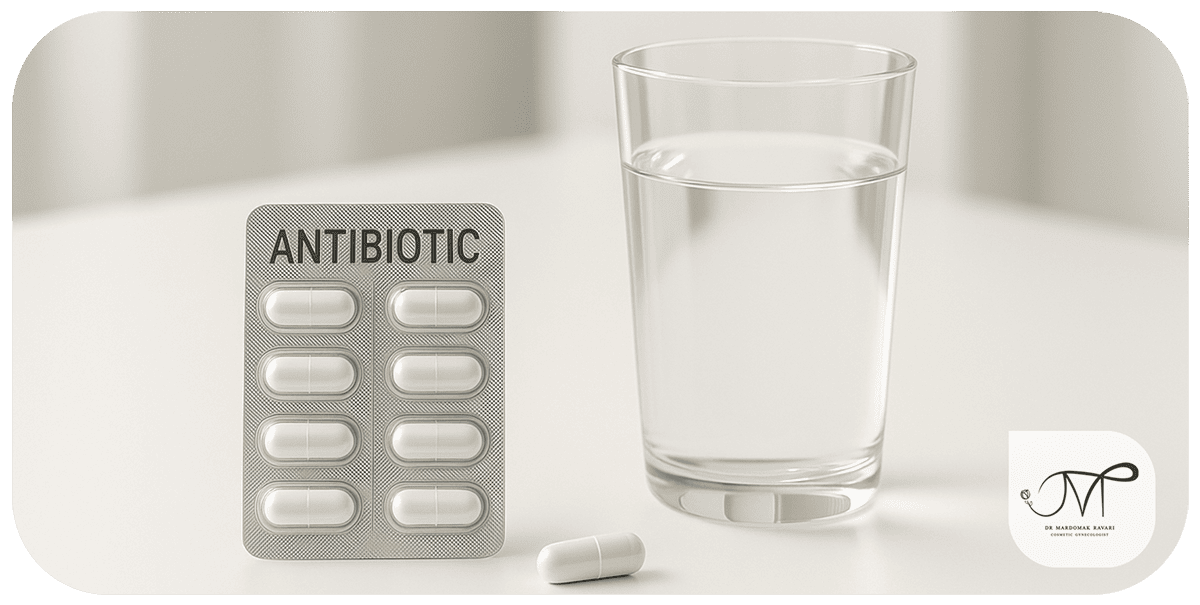
- Antibiotics: such as cephalexin or dicloxacillin for 10–14 days
- Pain relievers/anti-inflammatories: e.g., ibuprofen for pain and fever
-
Advanced care
- Abscess drainage: via needle aspiration or minor surgery if necessary
Prevention and self-care for mastitis
Mastitis is common in breastfeeding, but the good news is that a few simple steps can greatly reduce the risk and help control early symptoms quickly.
-
Proper and regular breastfeeding
- Empty breasts fully: after each feed ensure the breast is drained; use a pump if the baby cannot finish.
- Vary feeding positions: different angles help empty all ducts.
- Start feeding on the affected breast: the baby’s initial strong suck helps relieve blockages.
-
Nipple care
- Cracked nipples are the main entry point for bacteria.
- After each feed, express a few drops of milk and rub onto the nipple; breast milk has antibacterial properties.
- Use safe moisturizers like lanolin to prevent dryness and cracking.
- Avoid frequent washing with harsh soaps that dry the skin.
-
Clothing choices
- Wear a comfortable, cotton, non-restrictive bra.
- Choose loose-fitting clothes to reduce irritation and allow airflow.
-
Lifestyle management
- Adequate rest: lack of sleep weakens immunity.
- Healthy diet: fruits, vegetables, and fluids support recovery.
- Stress control: relaxation techniques such as meditation, deep breathing, or light walks help both milk flow and immune strength.
-
Compresses
- Warm compress before feeding: encourages milk flow and duct clearance.
- Cold compress after feeding: reduces swelling and discomfort.
-
Watch for warning signs
- Early redness, tenderness, or sensitivity in one spot should prompt supportive care immediately.
- Fever or chills indicate infection is progressing — medical attention is needed.
-
Non-lactating women
Though most cases occur during breastfeeding, mastitis can affect non-lactating women too.
- Any unusual breast change or discharge should be evaluated.
- Regular follow-up if recurrent infections or cysts are present.
- Avoid smoking, as it increases infection risk.
Key point: Preventing mastitis means proper breastfeeding technique, nipple care, and healthy lifestyle choices. These steps help mothers avoid complications and enjoy breastfeeding more comfortably.
Clinical examples
- Case 1: A 28-year-old woman, three weeks postpartum, presented with pain and redness in her left breast. With antibiotics and continued breastfeeding, she recovered within one week.
- Case 2: A 32-year-old with cracked nipples and fever of 38.5°C improved rapidly after antibiotics and warm compresses.
- Case 3: A 35-year-old with recurrent mastitis was treated successfully with low-level laser therapy combined with corrected breastfeeding technique.
Conclusion
Mastitis is a common breast condition during breastfeeding, typically presenting with pain, redness, swelling, and fever.
Early treatment with antibiotics and supportive care speeds recovery and prevents complications such as abscess formation.
Continuing breastfeeding, proper nipple care, and timely medical visits are essential for both prevention and management.
Clinically, mastitis must be distinguished from other breast conditions such as breast cysts and fibroadenomas, since all may appear as localized lumps or tenderness.
The key difference is that mastitis involves inflammation, redness, and fever, while cysts and fibroadenomas are usually non-inflammatory and painless.
In chronic or untreated cases, inflammation may mimic suspicious masses, requiring further evaluation.
Ultrasound — and in selected cases, biopsy — helps determine the exact nature of the lesion.
Awareness of warning signs and differentiating mastitis from more serious conditions like inflammatory breast cancer is extremely important, as some cancers may initially present with redness, warmth, and swelling similar to mastitis.
If symptoms persist despite treatment or recur within a few weeks, comprehensive imaging and specialist consultation are necessary.
Early and accurate diagnosis makes a critical difference in the treatment outcome and the patient’s long-term health.
Similar Articles

Breast pain, swelling, or fever while breastfeeding?
Fill out the consultation form now and our assistant will contact you shortly.
 FAQ
FAQ
No comments have been posted.
Your email address will not be published. Required fields are marked *
Share:


