


Breast Cysts | Symptoms, Causes, and Treatment Options
Introduction
Breast cysts are among the most common benign (noncancerous) breast lumps in women. These cysts are fluid-filled sacs that develop within breast tissue, most often between ages 30 and 50. Many women become alarmed when they feel a lump, fearing breast cancer. Fortunately, cysts are almost always benign and pose no direct threat to life. Still, accurate diagnosis is important to distinguish them from potentially malignant tumors.
Symptoms of breast cysts
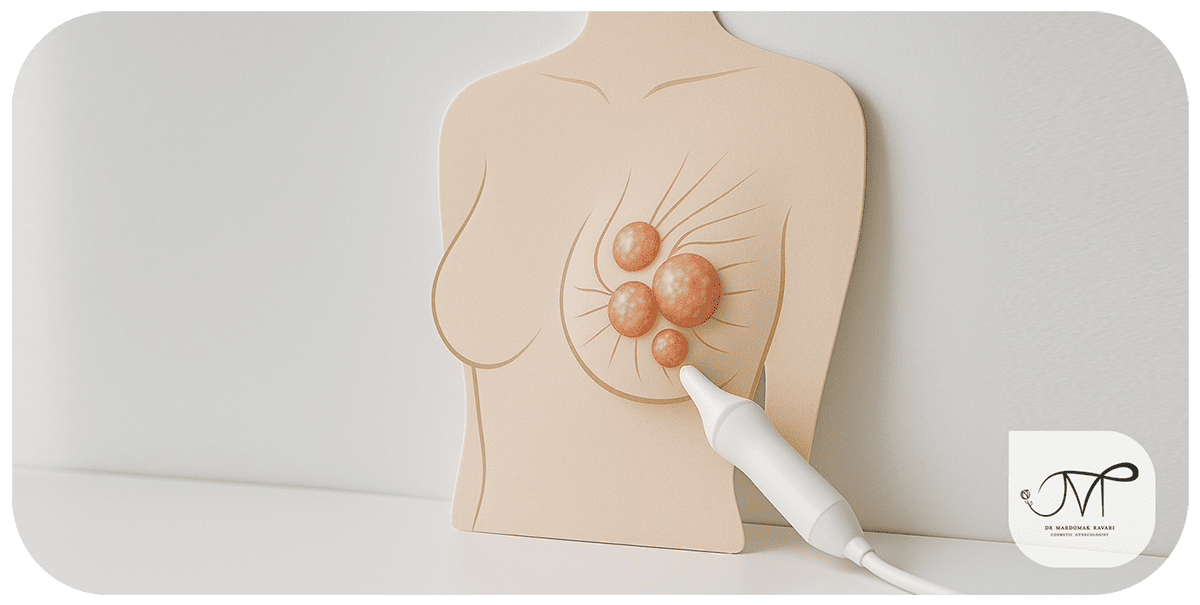
- A soft or firm lump in the breast that moves easily under the fingers
- Usually round or oval with smooth, well-defined edges
- Size can range from a few millimeters to several centimeters
- May enlarge and feel more tender just before menstruation
- Breast pain or sensitivity, especially with larger cysts
- Sometimes clear or colored nipple discharge
- May appear singly or as multiple cysts in one or both breasts
Causes and risk factors
The exact cause of breast cyst formation is not fully understood, but hormonal influence plays a central role.
- Hormonal fluctuations: especially changes in estrogen and progesterone during the menstrual cycle
- Age: most common in women aged 30–50, particularly before menopause
- Family history: women with relatives who have fibrocystic breasts are at higher risk
- Pregnancy and breastfeeding: can influence breast tissue changes
- Hormone use: such as oral contraceptives or hormone replacement therapy
Diagnostic methods
- Clinical exam: physician palpates the lump to assess its features
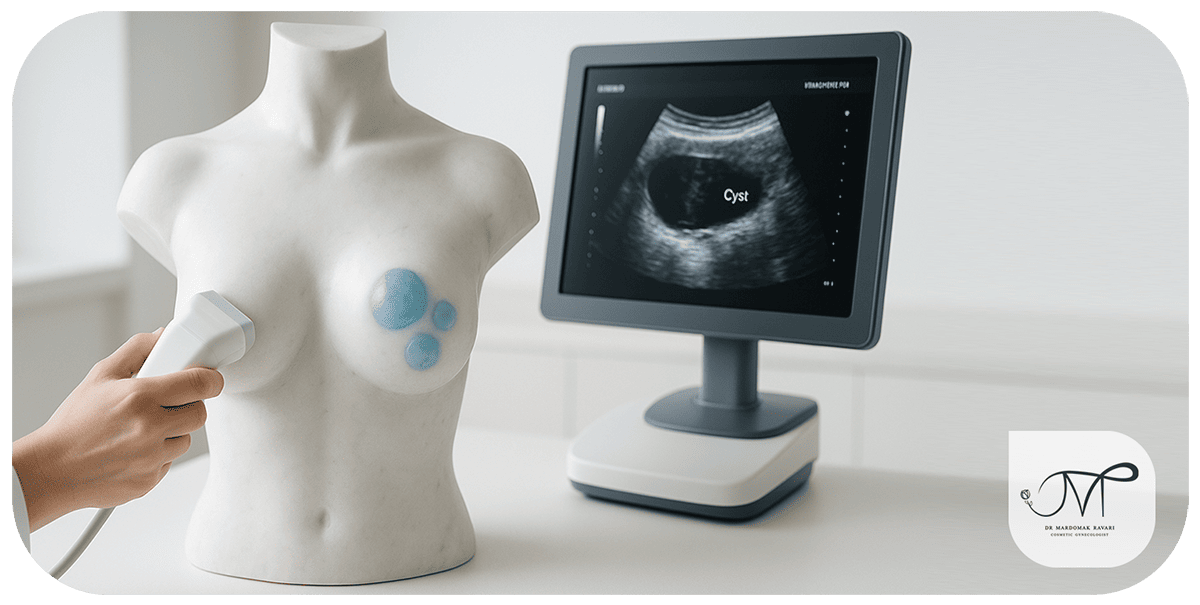
- Ultrasound: best test to confirm a cyst and distinguish it from a solid mass
- Mammography: more common in women over 40 for detailed evaluation
- Aspiration (needle drainage): fluid is withdrawn to relieve discomfort and confirm benign nature
- Biopsy: performed if there is suspicion of malignancy
Treatment of breast cysts
-
Observation
- Many cysts are small and symptom-free, requiring no treatment
- Follow-up with ultrasound or physical exam is usually sufficient
-
Needle aspiration
- Used for large or painful cysts
- Both diagnostic (analyzing fluid) and therapeutic (relieving pain and pressure)
-
Surgery
- Rarely required; reserved for recurrent cysts, bloody fluid, or suspicious findings
-
Newer and supportive approaches
- Laser or RF therapy: sometimes applied in specialized clinics to improve fibrocystic breast symptoms
- Lifestyle changes: reducing caffeine and salt intake can ease discomfort
Prevention and self-care for breast cysts
Breast cysts are usually harmless and often need no treatment, but simple lifestyle habits can reduce discomfort and prevent recurrence.
-
Regular breast exams
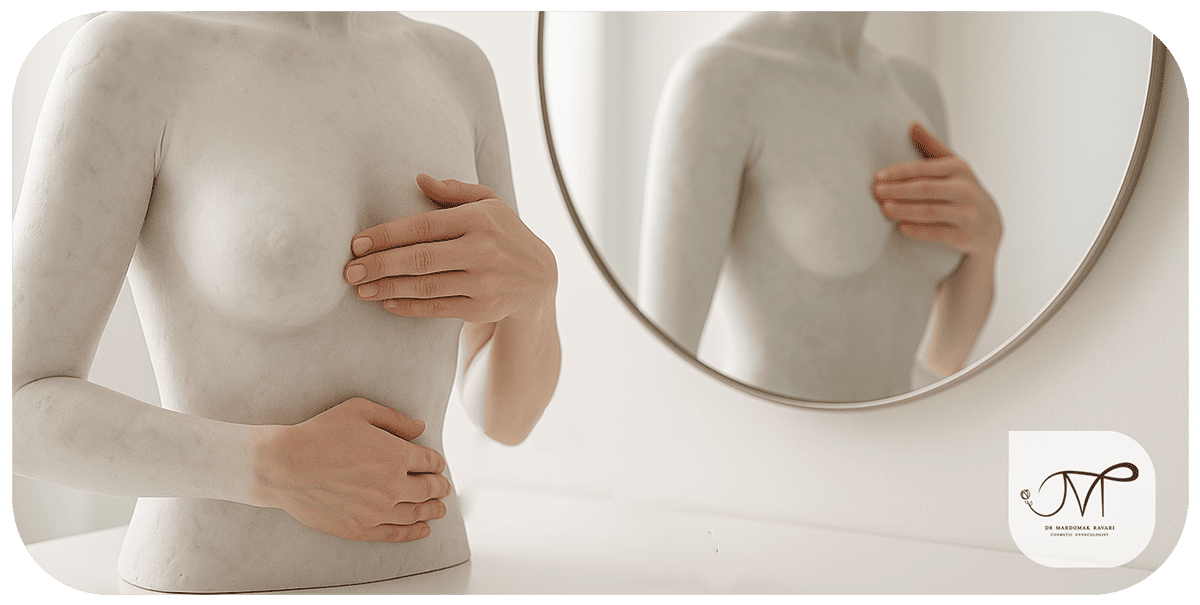
- Monthly breast self-exam (BSE): best done a few days after menstruation when breasts are softer
- Look for new lumps, skin changes, or unusual nipple discharge
- Report any changes to your doctor rather than relying on self-diagnosis
-
Routine check-ups
- Women over 40 should have annual or biennial mammograms
- Younger women are often better assessed with ultrasound
- Women with family history of breast disease should consider earlier and more frequent monitoring
-
Diet adjustments
- Limit caffeine: coffee, strong tea, chocolate, and cola can worsen breast pain
- Reduce salt intake: excess salt promotes fluid retention, enlarging cysts
- Balanced diet: fruits, vegetables, whole grains, legumes, lean proteins (fish, poultry)
- Omega-3 fatty acids: salmon, walnuts, and flaxseeds help reduce inflammation

-
Healthy lifestyle
- Maintain a healthy weight: excess fat disrupts hormonal balance and may trigger cysts
- Exercise regularly: walking, swimming, or yoga regulate hormones and reduce stress
- Stress management: stress affects hormone levels; try meditation, deep breathing, or daily walks
- Adequate sleep: 7–8 hours nightly helps stabilize hormonal cycles
-
Clothing and daily care
- Wear a supportive bra to reduce breast strain without causing compression
- Avoid overly tight clothing or rough fabrics that irritate breast skin
-
Hormonal considerations
- Women on hormone therapy should be closely monitored
- Avoid self-prescribing hormonal medications or herbal supplements with phytoestrogens
Key point: Breast cysts are not dangerous by themselves, but they can mimic malignant lumps. Regular monitoring and a healthy lifestyle provide reassurance and effective management.
Clinical examples
- Case 1: A 38-year-old woman with a painful right breast lump. Ultrasound confirmed a simple cyst; aspiration relieved her symptoms.
- Case 2: A 45-year-old woman with multiple small cysts in both breasts. No treatment was needed; annual follow-up was advised.
- Case 3: A 42-year-old woman with a large recurrent cyst eventually had a limited surgical excision.
Conclusion
Breast cysts are a common and benign condition, most often seen in middle-aged women. They usually don’t require treatment unless they cause pain or discomfort.
Accurate diagnosis is made through ultrasound, and if needed, aspiration or biopsy may be performed. Maintaining a healthy lifestyle and regular follow-up are the best ways to manage this condition effectively.
In many cases, breast cysts appear alongside other benign lumps such as fibroadenomas, which are more common in younger women. A differential diagnosis is essential, as the exact nature of a lump can only be confirmed through procedures like a breast biopsy — especially when the cyst shows abnormal features on ultrasound.
Being aware of warning signs and undergoing routine breast examinations help in the early detection of more serious conditions, such as breast cancer. Therefore, regular follow-ups and consulting a specialist whenever you notice any change in breast texture or appearance are vital for maintaining long-term breast health.
Similar Articles

Don’t delay a proper breast lump evaluation!
Fill out the consultation form now and our assistant will contact you shortly.
 FAQ
FAQ
No comments have been posted.
Your email address will not be published. Required fields are marked *
Share:


