



Trichomoniasis: Symptoms, Diagnosis, and Treatment
Introduction
Trichomoniasis is one of the most common sexually transmitted infections, caused by a single-celled parasite called Trichomonas vaginalis. It affects women more often, but men can carry and transmit it as well. Many people have no symptoms, which makes it easy to spread. Untreated trichomoniasis can raise the risk of other problems, such as HIV acquisition and preterm birth.
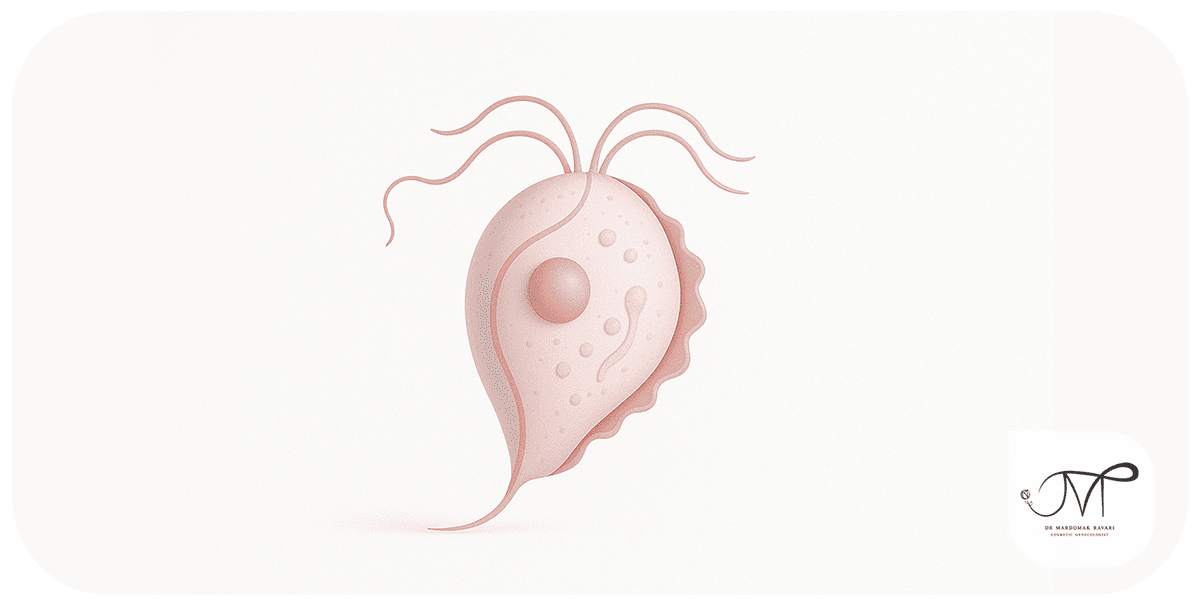
Symptoms of trichomoniasis
In women:
- Frothy yellow or green discharge with an unpleasant odor
- Vaginal itching, burning, or irritation
- Redness and inflammation around the vagina
- Pain during urination or sex
In men:
- Often no symptoms
- Sometimes burning with urination or mild urethral discharge

Important note: About half of infected people have no symptoms but can still transmit the infection.
Causes and risk factors
- Unprotected vaginal sex
- Multiple sexual partners
- History of other STIs
- Not using condoms
Diagnosis
- Clinical exam to assess abnormal discharge
- Microscopic exam of vaginal fluid or urine to identify motile parasites
- Culture or molecular tests such as PCR, which are more sensitive
Treatment of trichomoniasis

Medication the mainstay
Trichomoniasis is treated with medicine only. Herbal or home remedies do not eradicate the parasite. Two first line options:
Metronidazole
-
- Most commonly used
- Either a single 2 g oral dose or 500 mg by mouth twice daily for 7 days
- Some patients such as recurrent or resistant cases need longer courses
- Do not drink alcohol while taking it due to a strong reaction that can cause nausea, vomiting, and palpitations
Tinidazole
-
- Similar to metronidazole but longer lasting in the body
- Often given as a single 2 g oral dose
- May be better tolerated by some patients with fewer stomach side effects
Treat sexual partners at the same time
-
- Partners should be treated even if they have no symptoms
- Men frequently carry the parasite without symptoms and can reinfect female partners
- Both partners taking medication simultaneously reduces recurrence
Supportive care during treatment
- Avoid sexual activity until treatment is completed and symptoms have resolved
- Use condoms after treatment to prevent reinfection
- Maintain gentle hygiene and avoid harsh soaps or irritants
- If medication side effects occur such as nausea or cramps, the clinician may adjust the regimen
Management of resistant or recurrent infections
- If the infection returns, clinicians often prescribe higher or longer doses of metronidazole or tinidazole
- In rare drug resistance, specialized testing and combination regimens may be used
Treatment in pregnancy
- Trichomoniasis during pregnancy is linked to preterm birth and low birth weight
- Metronidazole is generally considered safe and may be used under medical guidance, including in the first trimester
- Treating during pregnancy is important because leaving the infection untreated poses greater risk to mother and baby
Summary
- Standard therapy is oral metronidazole or tinidazole
- Both partners must be treated at the same time
- No sex until treatment is finished and symptoms are gone
- Recurrent cases and pregnancy require tailored medical guidance
Prevention and self care

Trichomoniasis is highly preventable because it spreads through sexual contact. Follow these steps to lower your risk of infection or recurrence.
-
Practice safer sex
- Use condoms consistently to reduce transmission of trichomonas and other STIs
- Avoid unprotected sex; a single unprotected encounter can transmit infection
- Condom use is recommended even in long term relationships unless both partners have been fully tested
-
Limit the number of partners
Fewer partners reduces exposure risk. A mutually monogamous relationship with a tested partner is the safest approach.
-
Regular testing for higher risk individuals
People with multiple partners or a history of STIs should be screened periodically. Early detection makes treatment easier and prevents transmission.
-
Treat partners simultaneously
If you are diagnosed, ensure your partner is treated too. Treating only one person leads to frequent reinfection.
-
Personal hygiene
- Wear breathable cotton underwear and change daily
- Clean the genital area gently with water or a mild dedicated cleanser
- Avoid douching, which disrupts the natural vaginal flora and increases infection risk
-
Abstain from sex during treatment
Wait until treatment is complete and symptoms have resolved. This prevents reinfection and supports faster recovery.
-
Special care during pregnancy
Pregnant women with abnormal discharge or itching should seek medical care promptly, since trichomoniasis in pregnancy can lead to preterm birth or low birth weight.
Key takeaway: Prevention means safer sex plus completing treatment plus good personal hygiene plus regular testing in higher risk groups.
Clinical examples
– Case 1: A 32 year old woman with green, foul-smelling discharge and vaginal itching tested positive for trichomonas. Oral metronidazole resolved symptoms within one week.
– Case 2: A 28 year old man without symptoms was tested because his partner was diagnosed. His test was positive, and he was treated to prevent reinfection of his partner.
– Case 3: A 36 year old woman with recurrent vaginal infections had three relapses. An extended tinidazole regimen with partner treatment achieved full control.
Summary
Trichomoniasis often does not occur alone and can be accompanied by other sexually transmitted infections. In many women, this parasite is found together with bacterial vaginosis (BV), as both cause changes in the natural vaginal flora and lead to foul-smelling discharge. In such cases, differential diagnosis is crucial to avoid mismanagement. Reading the article “Chlamydia: Symptoms and Treatment” is also highly recommended for individuals who have had unprotected intercourse, as chlamydia is a silent infection with symptoms similar to trichomoniasis and can lead to pelvic inflammation or infertility over time.
Since trichomoniasis, chlamydia, and gonorrhea all belong to the group of sexually transmitted diseases, simultaneous diagnosis and treatment are extremely important. Infections such as gonorrhea can remain hidden in the body and, if left untreated, spread to the upper reproductive organs. Therefore, individuals diagnosed with trichomoniasis should also be tested for other infections. Awareness of symptoms, complete treatment, and consistent condom use are the best ways to prevent co-infections and maintain sexual and reproductive health.
Trichomoniasis is a common sexually transmitted infection that often remains asymptomatic, which contributes to its widespread transmission. Early diagnosis, proper medication with metronidazole or tinidazole, and treating both partners simultaneously are key to controlling this disease. Practicing safe sex and using condoms consistently remain the most effective preventive measures.
References

Are you worried about your symptoms?
Fill out the consultation form now and our assistant will contact you shortly.
 FAQ
FAQ
No comments have been posted.
Your email address will not be published. Required fields are marked *


