



Gestational Diabetes | Symptoms, Diagnosis, Treatment, and Prevention
Introduction: What is gestational diabetes?
Gestational diabetes is one of the most common metabolic disorders of pregnancy, typically emerging in the second half of gestation. It occurs when the mother’s body cannot produce enough insulin to control blood glucose during pregnancy. Elevated blood sugar threatens the mother’s health and can seriously affect fetal growth and wellbeing. Early detection and proper management can prevent major complications such as preeclampsia, fetal macrosomia, and future type 2 diabetes.

Causes and risk factors
Gestational diabetes develops when the mother’s body cannot produce insulin effectively or the body’s cells become resistant to insulin during pregnancy. The placenta releases hormones needed for fetal growth, but these same hormones, including human placental lactogen, progesterone, and cortisol, raise insulin resistance in the mother. This resistance helps ensure the fetus receives enough glucose, but if the mother cannot make sufficient insulin or respond to it properly, blood sugar rises and GDM develops.
Factors that increase risk include:
-
Advanced maternal age
Women older than 35 have a higher risk. With age, cellular sensitivity to insulin decreases, making glucose regulation harder.
-
Overweight or obesity
Women who are overweight before pregnancy or have a BMI above 30 are more prone to insulin resistance. Central fat accumulation is a key driver of risk.
-
Family history of type 2 diabetes or prior GDM
If a mother or sister has diabetes, the woman’s risk is higher, pointing to a genetic contribution.
-
History of GDM in a previous pregnancy
Prior GDM raises the likelihood of recurrence in subsequent pregnancies.
-
Previous macrosomic infant
Having delivered a baby weighing more than 4 kilograms suggests prior unrecognized insulin resistance or hyperglycemia and raises future GDM risk.
-
History of stillbirth or recurrent miscarriage
Some studies associate these histories with a higher GDM risk.
-
Underlying conditions
Polycystic ovary syndrome, hypertension, and other metabolic disorders increase risk. In PCOS, intrinsic insulin resistance predisposes to GDM.
-
Ethnicity
Women of Asian, Middle Eastern, African, or Latin descent show higher rates, likely due to both genetic and lifestyle factors.
-
Unhealthy diet and low physical activity
High intake of sugars, refined carbs, and saturated fats plus inactivity fosters insulin resistance and hyperglycemia.
-
Multiple gestation
Twin or higher-order pregnancies have higher placental hormone levels, which intensify insulin resistance.
In simple terms, gestational diabetes reflects a mismatch between placental hormones, insulin resistance, and the mother’s limited capacity to produce adequate insulin. When this balance tips, blood sugar rises.
Symptoms
Many women have no obvious symptoms, and GDM is often detected through routine screening in the second trimester. In some, warning signs appear, but they can be confused with normal pregnancy changes. Persistent, intense, or combined symptoms deserve attention and testing.
Common signs:
-
Excessive thirst
Unusual, constant thirst may signal high blood sugar. The body produces more urine to flush out excess glucose, which increases thirst.
-
Frequent urination
Urination increases in pregnancy, but it can be more pronounced in GDM. Glucose spills into urine and pulls water with it, which may also lead to dehydration.
-
Unusual fatigue and low energy
When insulin does not work well, glucose cannot efficiently enter cells, leaving them energy-starved and causing persistent tiredness.
-
Blurred or fluctuating vision
High glucose can alter the eye’s lens, leading to vision changes that are sometimes misattributed to fatigue or hormones.
-
Recurrent urinary or vaginal infections
High glucose creates a favorable environment for bacterial and yeast overgrowth, increasing UTIs and vaginal yeast infections.
-
Excessive or rapid weight gain
Beyond expected pregnancy gain, unusually fast or high gain may reflect disordered glucose metabolism.
-
Dry mouth or a sweet or odd taste
Less common, but may accompany elevated blood sugar.
Because these symptoms can overlap with normal pregnancy experiences, universal screening between weeks 24 and 28 is essential, even if no symptoms are present.
Diagnosis
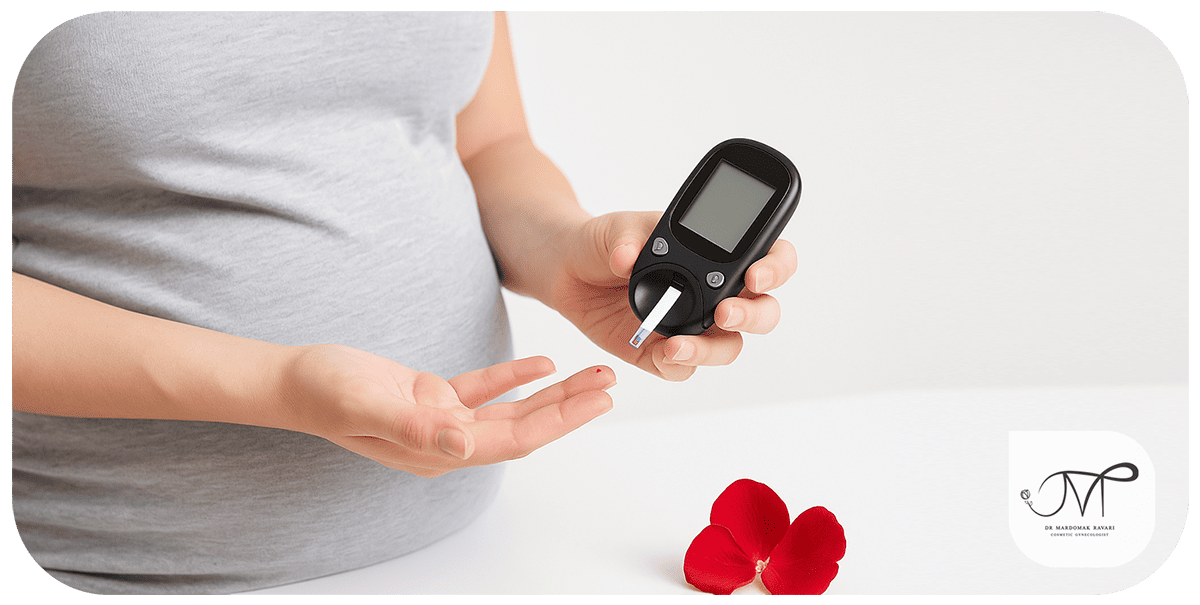
Evaluation usually occurs between 24 and 28 weeks.
-
Oral Glucose Tolerance Test
After drinking a glucose solution, blood sugar is measured at set intervals.
-
Glucose Challenge Test
Often a 50 gram screening test; if abnormal, a full tolerance test follows.
-
Fasting plasma glucose
Sometimes done early to distinguish preexisting diabetes from gestational diabetes.
Complications
If uncontrolled, GDM can cause serious problems for both mother and baby. Severity depends on glucose levels, timing of onset, and quality of management.
Maternal complications:
-
Preeclampsia
This dangerous condition involves high blood pressure and protein in the urine. It can harm the kidneys and liver and, if severe, lead to seizures. Risk is higher in GDM.
-
Higher cesarean delivery rate
Macrosomia increases the likelihood of difficult vaginal delivery, induction, or urgent cesarean.
-
Future type 2 diabetes
About 30 to 50 percent of women with GDM develop persistent type 2 diabetes within 10 years, especially with unhealthy lifestyles.
-
Recurrent genital and urinary infections
Elevated glucose supports bacterial and fungal growth, increasing UTIs and yeast infections.
-
Postpartum hemorrhage and wound issues
Vascular dysfunction and metabolic changes associated with hyperglycemia may raise risks of bleeding and delayed healing.
Fetal and neonatal complications
-
Macrosomia
Excess maternal glucose crosses the placenta, stimulating fetal insulin and promoting fat deposition. Birthweight often exceeds 4 kilograms, raising delivery risks.
-
Shoulder dystocia
Large babies are at risk of shoulder impaction during birth, an obstetric emergency that can lead to brachial plexus injury, clavicle fracture, or hypoxia.
-
Neonatal hypoglycemia
After birth, the sudden removal of maternal glucose with persisting high fetal insulin can drop the baby’s blood sugar sharply, risking seizures or brain injury if not promptly treated.
-
Prematurity and respiratory issues
GDM increases preterm birth risk. Even term infants may have delayed lung maturity due to hyperinsulinemia, predisposing to respiratory distress syndrome.
-
Intrauterine fetal demise
Rare but serious in poorly controlled cases.
-
Neonatal jaundice and polycythemia
Higher rates of jaundice and elevated red blood cell counts are seen; usually treatable but potentially problematic if severe.
Bottom line: With timely diagnosis and good control, most pregnancies proceed safely. Without proper management, risks can be significant for both mother and baby.
Treatment
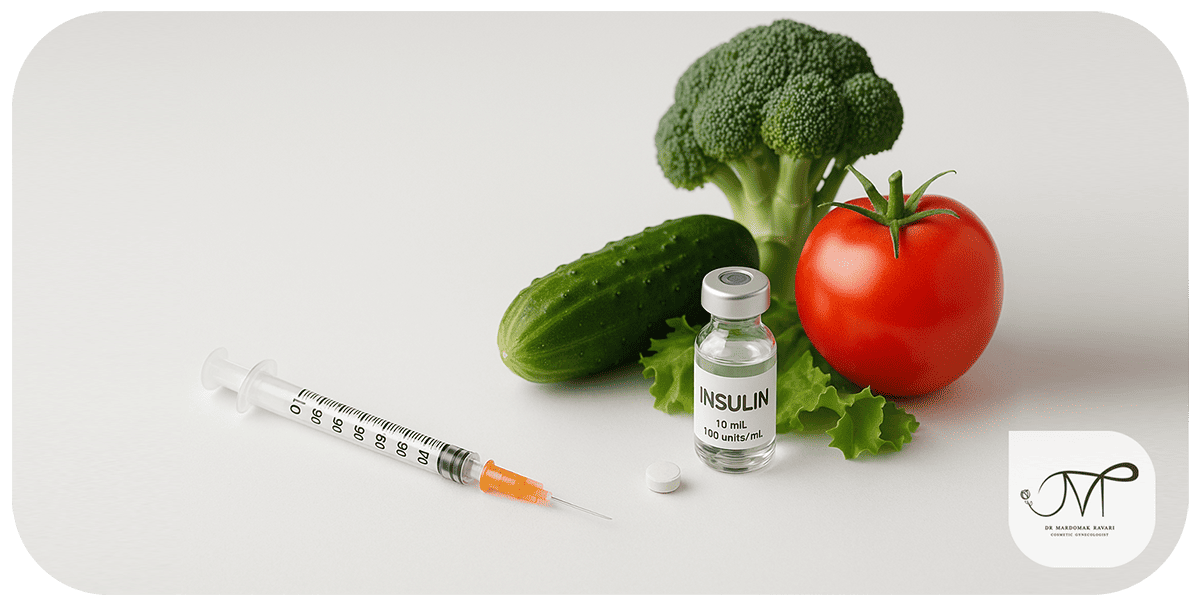
The main goal is to maintain blood glucose in target ranges to prevent complications. Management usually starts with lifestyle changes, adding medication when needed.
-
Lifestyle modification
Balanced nutrition
Limit simple carbohydrates such as sugar, sweets, sodas, and white rice. Emphasize high-fiber complex carbs like whole-grain bread, legumes, and vegetables.
Divide daily intake into five to six small, regular meals rather than three large ones.
Adequate protein from poultry, fish, eggs, and legumes plus healthy fats like olive oil, avocado, and nuts helps stabilize glucose.
Hydrate well and avoid sugary or packaged drinks.
Gentle, regular exercise
Light activity improves insulin sensitivity and helps curb glucose spikes.
A daily 20 to 30 minute walk is effective and safe for most.
Prenatal yoga, warm-water swimming, and stretching can aid glucose control, reduce stress, and improve sleep.
Avoid high-impact or fall-risk activities and exercises that strain the abdomen.
Home glucose monitoring
Use a glucometer to check fasting and post-meal values, typically fasting and 2 hours after meals. Record results to guide therapy adjustments.
-
Medication
If lifestyle alone does not achieve targets, medication is added.
Insulin
Insulin is the preferred and safe therapy in pregnancy. Unlike many oral agents, it does not cross the placenta.
Type, dose, and timing are tailored to lab results and individual needs.
Proper injection technique and recognition of hypoglycemia warning signs, such as tremor, sweating, and palpitations, are essential.
Oral agents such as metformin or glyburide
Use remains debated. In selected cases and under specialist guidance, metformin may be used to improve insulin sensitivity.
Because some oral drugs cross the placenta, they are not first-line and are reserved for situations where insulin cannot be used or tolerated.
-
Complementary care
Regular prenatal visits: ultrasound growth monitoring, amniotic fluid assessment, and placental health checks are important.
Psychological and educational support: stress management, nutrition counseling, and prenatal classes improve adherence and outcomes.
Birth planning: depending on glucose control and fetal condition, delivery around weeks 38 to 39 may be recommended to reduce intrauterine risks.
Prevention

GDM is not always preventable, but the following measures before and during pregnancy can significantly lower risk.
- Aim for a healthy preconception weight
Excess weight drives insulin resistance. Gradual, evidence-based weight loss before pregnancy reduces GDM risk and supports a healthier pregnancy.
- Choose a nutrient-dense diet
Fresh fruits and vegetables, whole grains, lean proteins such as poultry, fish, and legumes, and healthy fats like olive oil and nuts help maintain glucose balance. Limit fried foods, sweets, sugary drinks, and ultra-processed products.
- Cut down on high-sugar and high-fat foods
Overconsumption of simple sugars and heavy fats spikes glucose and promotes fat storage. Limiting them supports overall maternal health and fetal growth.
- Exercise regularly before and during pregnancy
Walking, swimming, and prenatal yoga improve insulin sensitivity and metabolism, aid weight control, lower stress, and enhance circulation.
- Control blood pressure and keep regular checkups
Hypertension can accompany metabolic issues including GDM. Preconception and prenatal visits help identify and address risks early. Timely screening and specialist guidance are key to prevention and early management.
Clinical examples
- A 29-year-old with PCOS developed thirst and frequent urination at 26 weeks. OGTT confirmed GDM. Diet changes and light exercise controlled her glucose, and she delivered vaginally without complications.
- A 36-year-old with overweight and a prior 4.2 kilogram infant screened positive at 28 weeks. Despite diet adherence, hyperglycemia persisted, so insulin was started. She delivered a healthy 3.8 kilogram baby.
Conclusion
Gestational diabetes is common but manageable. With timely screening, lifestyle modification, and, when needed, medication, risks to mother and baby can be substantially reduced. Recognizing warning signs, attending regular checkups, and following medical advice are the pillars of prevention and control.
References

If you’re pregnant, take gestational diabetes screening seriously between weeks 24 and 28!
Fill out the consultation form now and our assistant will contact you shortly.
 FAQ
FAQ
No comments have been posted.
Your email address will not be published. Required fields are marked *
Share:


tags: