



Bartholin’s cyst; Symptoms, Causes, and Treatment Options
Introduction
A Bartholin’s cyst is one of the more frequent conditions affecting women of reproductive age, typically between 20 and 40 years old. The Bartholin’s glands are two small glands located on either side of the vaginal opening that secrete fluid to lubricate the vagina during intercourse. If the duct becomes blocked, fluid builds up, forming a Bartholin’s cyst.
Most cysts are small and symptom-free, often unnoticed. However, if infection develops, they can become painful, swollen, and progress into an abscess. Recognizing the symptoms and knowing treatment strategies helps prevent complications.
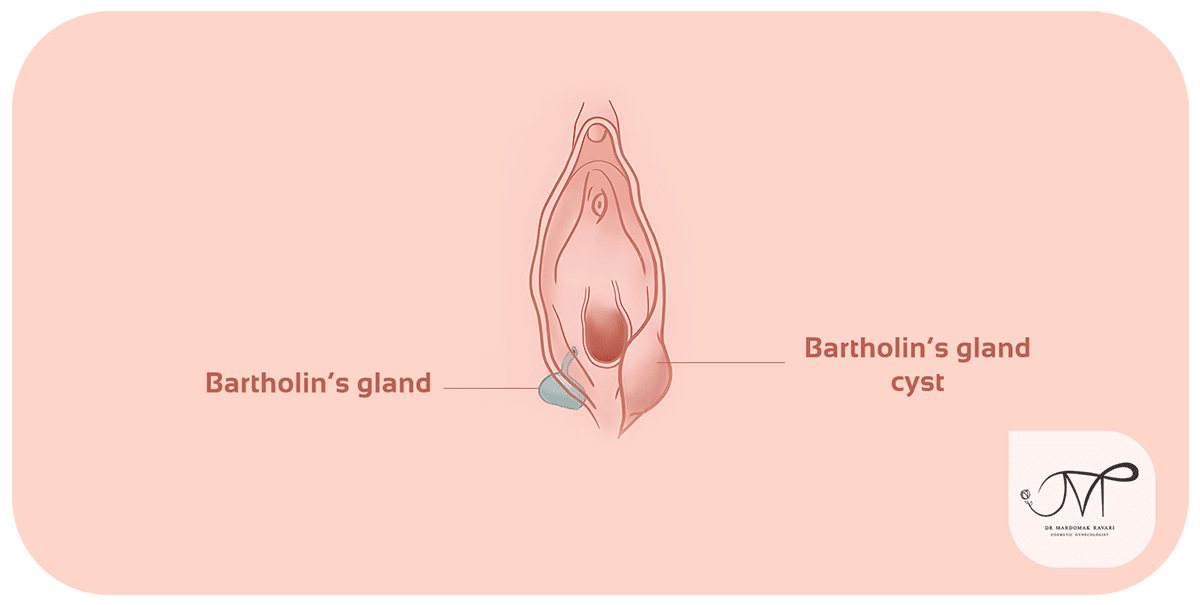
Symptoms of a Bartholin’s cyst
Most Bartholin’s cysts are silent, but larger or infected cysts can cause:
- Noticeable lump or swelling near the vaginal opening
- Pain or discomfort during sitting, walking, or sexual intercourse
- Redness and swelling around the affected area
- Pus-like discharge if infection is present
- Fever and general malaise in cases of abscess

Causes of a Bartholin’s cyst
- Duct obstruction: the most common reason for cyst formation
- Infections: bacteria such as E. coli, or sexually transmitted infections like gonorrhea and chlamydia
- Childbirth or trauma: tissue injury may block gland ducts
- Increased sexual activity: higher likelihood of duct inflammation and blockage
Risk factors
- Reproductive age (20–40 years)
- Recurrent vaginal infections
- Poor genital hygiene
- Multiple sexual partners (higher STI risk)
- Tight or non-breathable underwear
Diagnosis

- Pelvic exam: assesses size, location, and infection status
- Culture or swab: identifies bacterial infection or STI if suspected
- Biopsy: in women over 40, to exclude malignancy or other lesions
Treatment options
1. Home care
- Warm sitz baths several times a day to encourage spontaneous drainage
- Warm compresses to ease pain and swelling
- Proper genital hygiene and breathable cotton underwear
-
Medications
- Antibiotics for infection or abscess
- Pain relievers to ease discomfort
-
Procedures and surgery
- Abscess drainage: incision and drainage for acute abscesses
- Marsupialization: surgical technique to create a new permanent opening for drainage
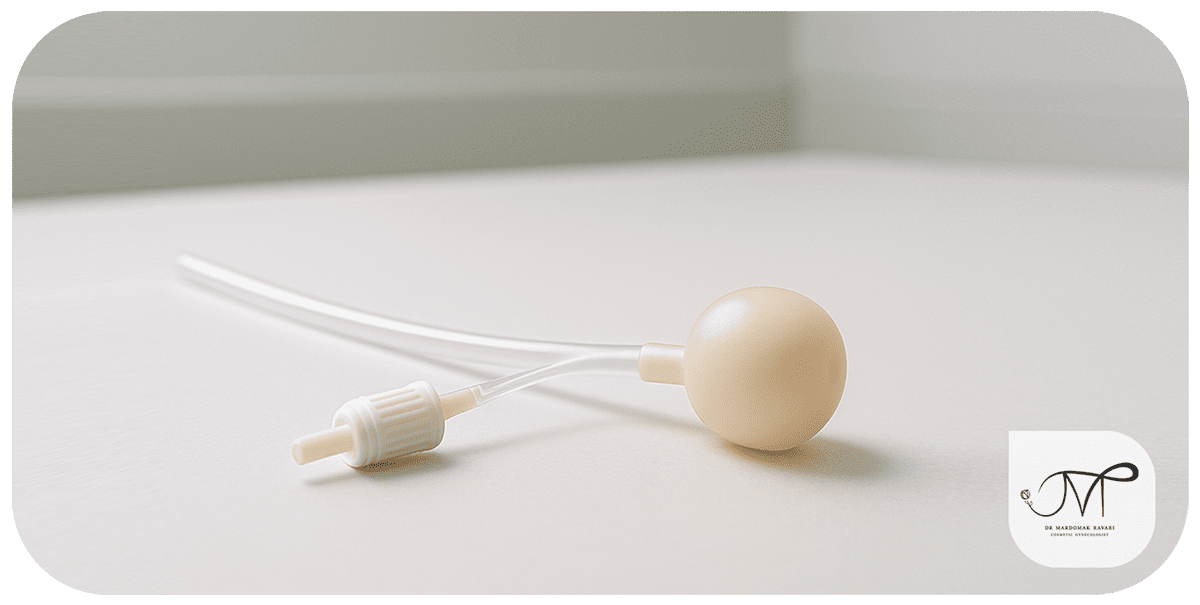
- Word catheter insertion: a small tube placed in the cyst for several weeks to allow continuous drainage
- Gland excision: removal of the Bartholin’s gland in cases of frequent recurrence or complicated cysts
Prevention and self-care

- Maintain daily gentle genital hygiene; avoid harsh soaps or fragranced cleansers
- Wear cotton, loose-fitting underwear
- Stay hydrated and maintain a balanced diet to support immune function
- Treat vaginal infections promptly
- Practice safe sex to reduce STI risk
Clinical examples
Case 1
A 28-year-old woman noticed a painless swelling near her vaginal opening. Examination confirmed a Bartholin’s cyst, which resolved within a week with warm sitz baths.
Case 2
A 35-year-old presented with severe pain and fever. Diagnosis: Bartholin’s abscess. After incision, drainage, and antibiotics, symptoms improved quickly.
Case 3
A 42-year-old with recurrent cysts underwent marsupialization surgery. Her symptoms resolved, and recurrence did not occur.
Conclusion
A Bartholin’s cyst is a relatively common and typically benign condition, yet it can cause significant discomfort and anxiety when symptoms develop.
Most cysts form quietly and resolve on their own, but once infection occurs, the situation can quickly progress to pain, swelling, and abscess formation that requires medical attention.
The key to effective management lies in early recognition and appropriate care.
Simple home remedies such as warm sitz baths, good hygiene, and loose-fitting clothing are often sufficient for mild cases.
However, if infection or recurrence occurs, professional treatment — including antibiotics, drainage procedures, or surgical options like marsupialization — provides lasting relief and helps prevent further complications.
Women over the age of 40 should take additional precautions, as persistent or atypical cysts may occasionally require biopsy to rule out rare but serious conditions such as malignancy.
Beyond physical treatment, awareness plays a major role in prevention.
Maintaining genital hygiene, practicing safe sex, and promptly treating vaginal infections can significantly reduce the likelihood of developing Bartholin’s cysts.
In summary, a Bartholin’s cyst is a manageable condition when approached with knowledge and timely care.
By paying attention to early symptoms and seeking medical advice when needed, women can avoid unnecessary pain and maintain both comfort and confidence in their intimate health.
Similar Articles

If you feel a lump or pain near the vaginal opening;
Fill out the consultation form now and our assistant will contact you shortly.
 FAQ
FAQ
No comments have been posted.
Your email address will not be published. Required fields are marked *


