


Luteal Phase Defect | Causes, Symptoms, Treatments, and Clinical Insights
Introduction: What is luteal phase defect
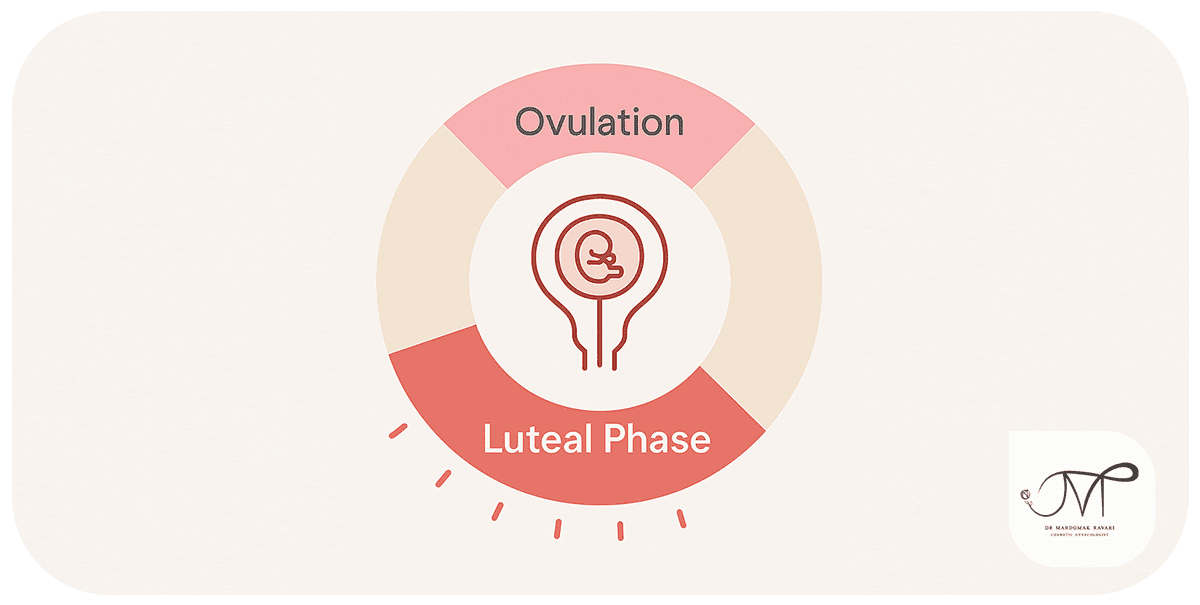
The menstrual cycle has two main phases: the follicular phase (before ovulation) and the luteal phase (after ovulation). In the luteal phase, the body produces progesterone to prepare the uterus for embryo implantation. When this phase is shorter than normal or progesterone production is insufficient, it is called luteal phase defect. LPD can lead to infertility, recurrent miscarriages, or irregular menstrual cycles.
Causes and risk factors
Several factors can contribute:
- Poor ovarian function or incomplete ovulation
– If the egg does not mature properly, the corpus luteum (which produces progesterone) will be weak.
- Hormonal disorders
– Thyroid dysfunction or elevated prolactin can impair progesterone secretion.
- Stress and lifestyle
– Chronic stress, poor sleep, and excessive exercise can disrupt hormone balance.
- Gynecological conditions
– Endometriosis, polycystic ovary syndrome, and primary ovarian insufficiency.
- Advanced maternal age
– Egg quality and ovarian function decline with age.
Symptoms and signs
LPD does not always cause obvious symptoms, but common indicators include:
- Menstrual cycles shorter than 24 days.
- Spotting a few days before menstruation.
- Difficulty conceiving or recurrent miscarriages.
- Reduced breast tenderness after ovulation due to low progesterone.
Diagnosis
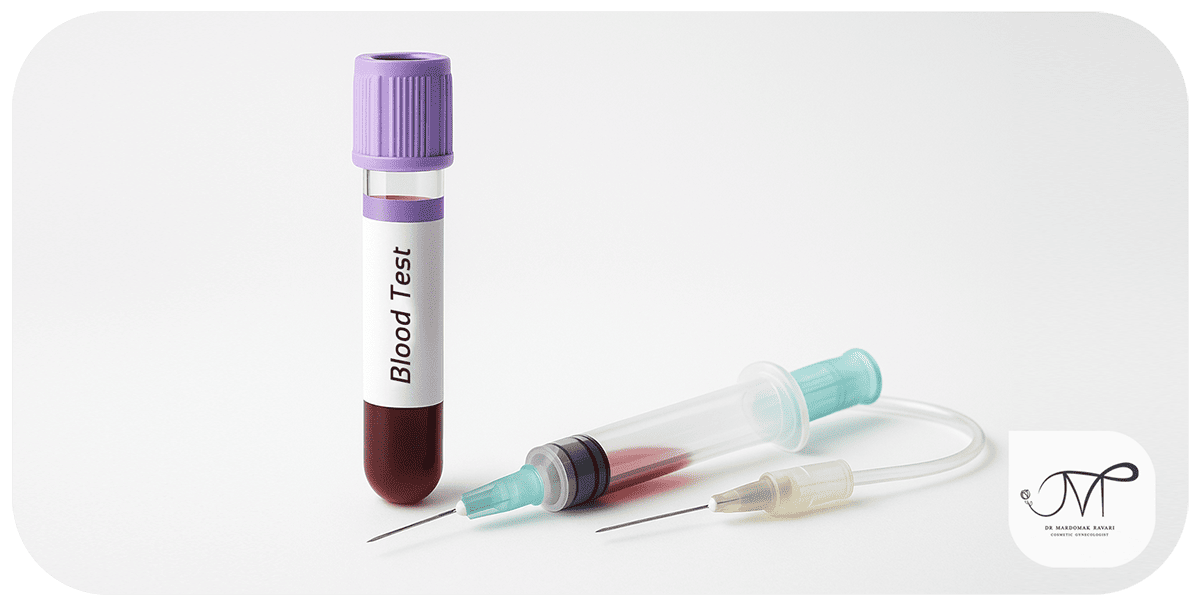
Doctors may use a combination of history, labs, and imaging:
- Cycle tracking: noting a short interval from ovulation to the next period.
- Blood test: measuring progesterone about 7–8 days after ovulation.
- Ultrasound: checking endometrial thickness and quality.
- Endometrial biopsy: previously common, now used less often.
Complications and consequences
- Infertility: the uterus is not prepared for implantation.
- Early miscarriage: the embryo implants but the uterus cannot sustain it.
- Menstrual irregularities: shortened or atypical cycles.
Treatment options
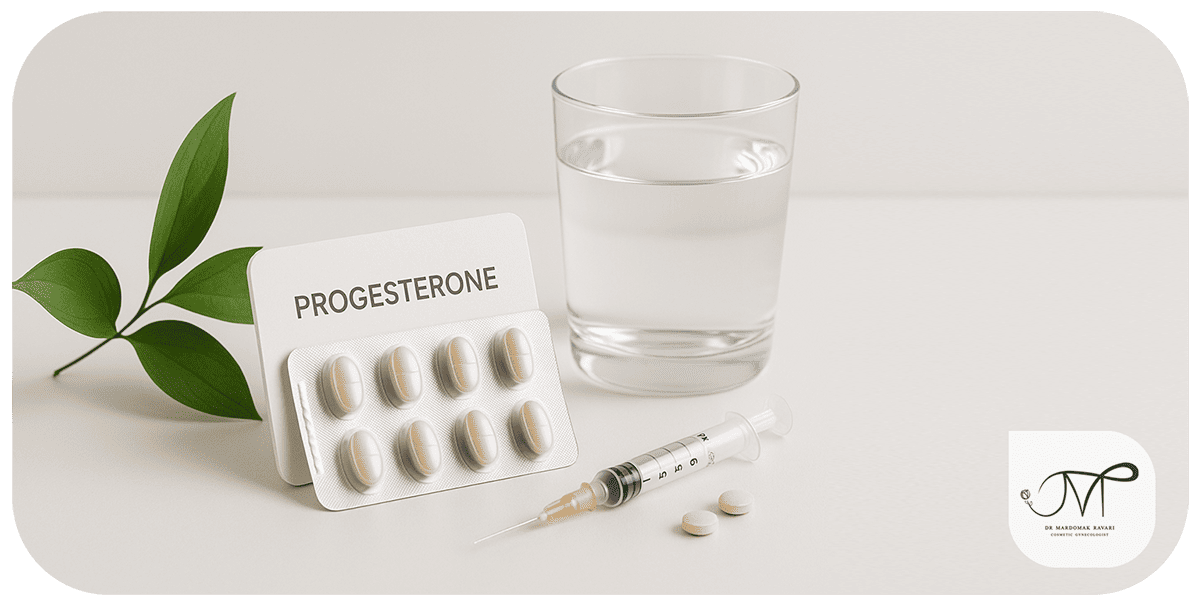
Management depends on underlying causes:
-
Medications
- Progesterone supplements (oral or vaginal) after ovulation to support the uterine lining.
- Ovulation induction agents (clomiphene or letrozole) to improve ovulation and strengthen the corpus luteum.
- Treat thyroid disease or elevated prolactin if present.
-
Lifestyle modifications

- Stress reduction through yoga or meditation.
- Adequate sleep.
- Light, regular exercise.
- Balanced diet with protein, vegetables, and healthy fats.
-
Assisted reproductive techniques
In severe cases, IVF with progesterone support may be the best option.
Clinical cases
Case 1: Short cycles with spotting
A 29-year-old woman had consistently short cycles (about every 20 days) and spotting before her period. Testing showed low progesterone. With progesterone supplementation after ovulation, her cycles normalized and she conceived within months.
Key point: Spotting before menstruation may be a sign of LPD.
Case 2: Recurrent miscarriage
A 32-year-old woman had two miscarriages. Tests revealed insufficient uterine support due to low progesterone. With progesterone and supportive therapy, she carried her third pregnancy successfully.
Key point: Some miscarriages are due to hormonal and uterine issues, not just embryo factors.
Case 3: Stress and lifestyle
A 25-year-old athlete followed an intense workout schedule and strict diet. Her cycles became short and irregular. Diagnosis: LPD due to physical stress. After reducing exercise intensity and improving nutrition, her cycles stabilized.
Key point: Lifestyle strain can disrupt hormone balance and luteal function.
Prevention and self-care
- Manage stress with relaxation techniques.
- Avoid extreme diets and over-exercising.
- Follow a balanced, nutrient-rich diet.
- Routine checkups to screen for thyroid or hormonal issues.
Conclusion
Luteal phase defect prevents the uterus from being fully prepared for implantation, leading to infertility or recurrent miscarriage. It is usually linked to low progesterone levels. With timely diagnosis, progesterone supplementation, lifestyle modification, or assisted reproductive techniques, outcomes can be improved. Early recognition and treatment are key to increasing pregnancy success rates.
References

Short cycles or repeated miscarriages are red flags!
Fill out the consultation form now and our assistant will contact you shortly.
 FAQ
FAQ
No comments have been posted.
Your email address will not be published. Required fields are marked *


