



Recurrent Miscarriage: When Consecutive Pregnancies End Prematurely
Introduction
Miscarriage is a painful and emotionally challenging experience for any woman and her family. When it happens repeatedly, the emotional and psychological toll becomes even greater. Recurrent miscarriage is defined as the loss of two or three consecutive pregnancies before the 20th week of gestation. This condition affects couples physically as well as emotionally, creating fear and uncertainty about future pregnancies.
Statistics show that about 1–2% of women of reproductive age experience recurrent miscarriage. The good news is that in many cases, the cause can be identified and treated, and the majority of these women eventually achieve a successful pregnancy.
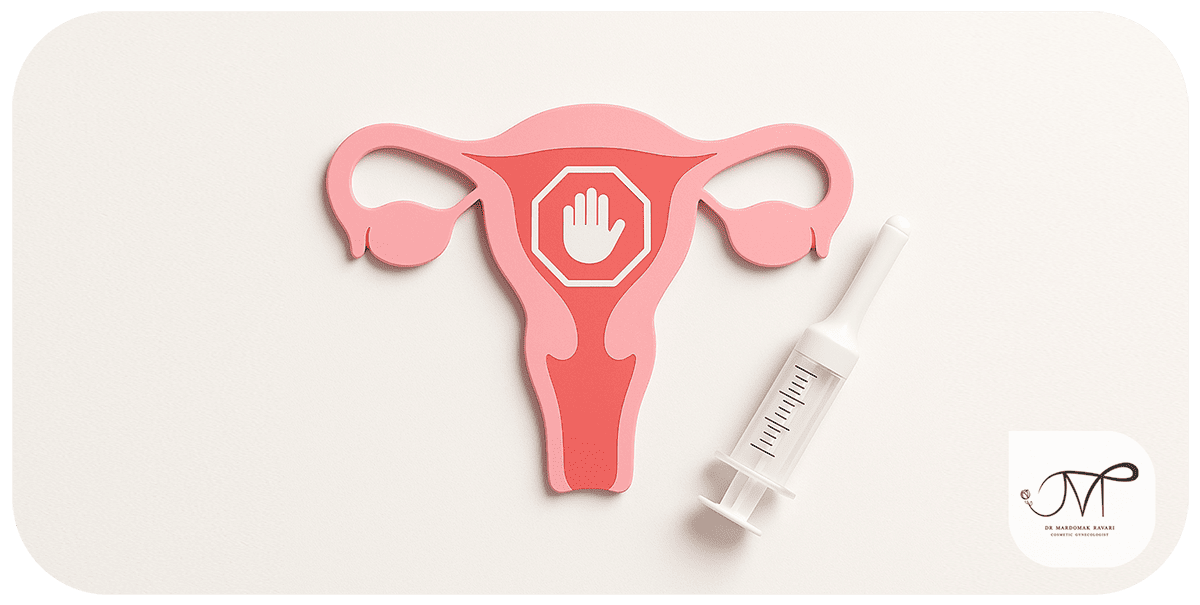
Types of recurrent miscarriage
- Primary recurrent miscarriage – when a woman has never had a successful pregnancy, and all of her pregnancies end in miscarriage.
- Secondary recurrent miscarriage – when a woman has had at least one successful pregnancy in the past but then experiences multiple consecutive miscarriages.
Common causes of recurrent miscarriage
Recurrent miscarriage is rarely due to a single cause; often multiple factors are involved.
-
Genetic factors
2–5% of cases are due to chromosomal abnormalities in one of the parents.
Chromosomal translocations are among the most common causes, leading to nonviable embryos.
In such cases, miscarriage typically occurs in the early weeks of pregnancy.
-
Hormonal disorders
Luteal phase defect (low progesterone) prevents the uterus from supporting pregnancy.
Conditions like polycystic ovary syndrome (PCOS) or hypothyroidism also increase miscarriage risk.
-
Uterine abnormalities
Septate uterus, large fibroids, intrauterine adhesions, or congenital malformations can interfere with implantation or fetal development.
-
Immune and clotting disorders
Antiphospholipid syndrome (APS) causes micro-clots in placental vessels, restricting blood flow to the fetus.
Some immune system disorders may cause the mother’s body to reject the embryo as foreign tissue.
-
Infections
Chronic genital or systemic infections such as toxoplasmosis, listeria, chlamydia, or bacterial vaginosis can contribute to pregnancy loss.
-
Lifestyle factors
Smoking, alcohol, drug use, obesity, being underweight, chronic stress, and exposure to toxins all raise the risk of miscarriage.
Risk factors
Age over 35 (especially after 40)
Chronic illnesses such as diabetes or hypertension
Multiple uterine surgeries
Family history of recurrent miscarriage or genetic disorders
Signs and symptoms
Recurrent miscarriage presents with symptoms similar to those of a typical miscarriage:
Vaginal bleeding (spotting or heavy bleeding)
Abdominal or back cramps
Passing tissue or clots from the vagina
Sudden loss of pregnancy symptoms (nausea, breast tenderness)
Sometimes a “missed miscarriage” occurs, where the embryo stops developing but no obvious symptoms appear until detected on ultrasound.
Diagnosis
Evaluation of recurrent miscarriage is usually stepwise and multidisciplinary:
- Medical and family history – number and timing of miscarriages, chronic illnesses, prior surgeries.
- Blood tests – to assess hormones, thyroid function, blood sugar, clotting factors, and immune markers.
- Karyotype analysis – of both parents, and if possible, fetal tissue from miscarriage.
- Uterine imaging – transvaginal ultrasound, hysterosalpingography, or MRI.
- Infection screening – to detect bacterial, viral, or parasitic causes.
Treatment
Treatment depends on the underlying cause.
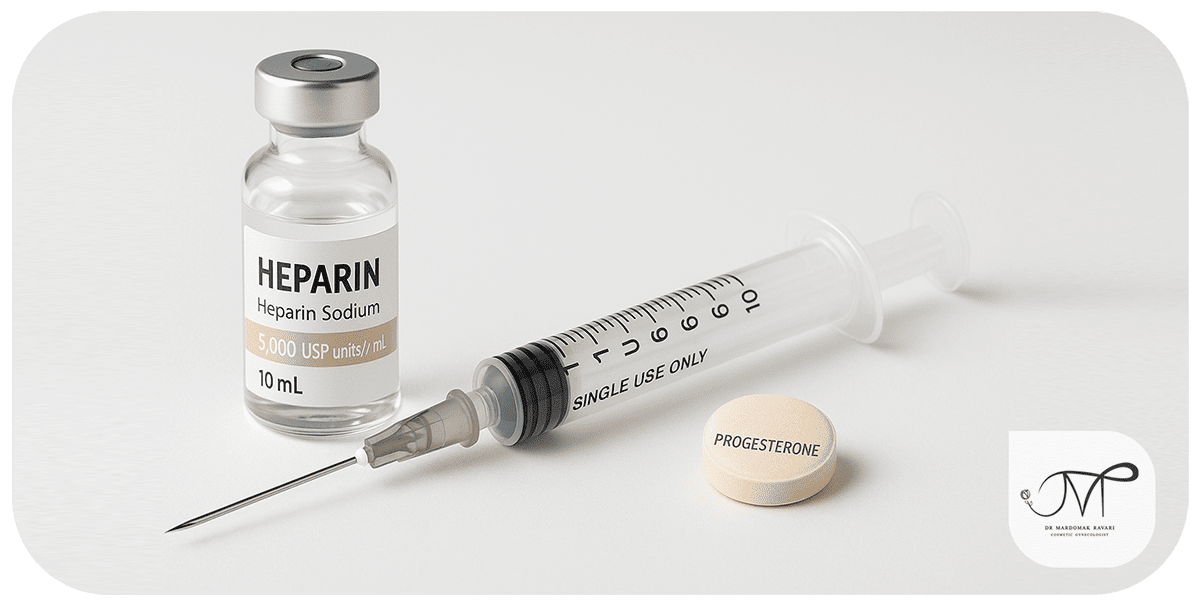
Medical treatment
Progesterone supplementation during early pregnancy
Anticoagulants (heparin, aspirin) for antiphospholipid syndrome
Management of underlying conditions (e.g., thyroid disease, diabetes)
Antibiotics or antivirals if infections are present
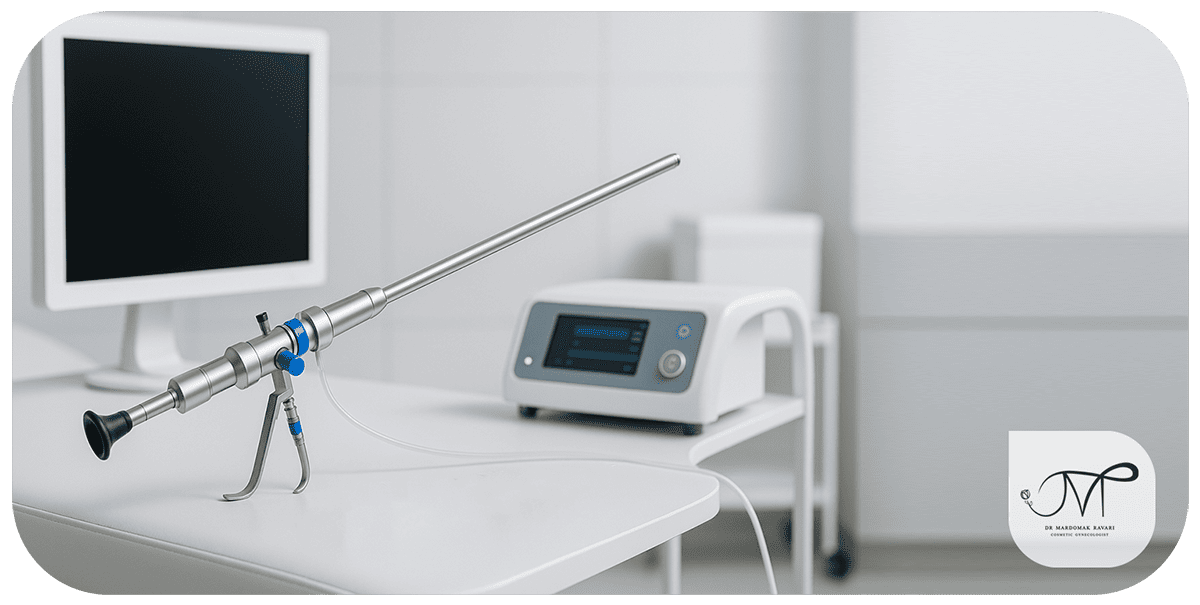
Surgical treatment
Hysteroscopic removal of uterine septum
Removal of large fibroids or adhesions
Corrective surgery for uterine malformations
Genetic counseling
For chromosomal abnormalities, assisted reproductive technologies like IVF with preimplantation genetic diagnosis (PGD) can help select healthy embryos.
Lifestyle modification
- Quit smoking and alcohol
- Maintain a healthy weight
- Stress management with yoga, meditation, or counseling
Prevention
While not all cases can be prevented, certain measures reduce risk:
- Pre-pregnancy checkups and testing
- Optimizing chronic conditions before conception
- Taking essential supplements such as folic acid and vitamin D
- Eating a healthy diet and exercising regularly
- Avoiding harmful medications and toxic exposures

Complications if untreated
- Continued pregnancy losses, leading to severe emotional distress, depression, or anxiety
- Secondary infertility due to uterine or tubal damage
- Higher risk of ectopic pregnancy
- Health risks from repeated bleeding and anemia
Clinical cases
Case 1: A 29-year-old woman with three consecutive miscarriages at 8–10 weeks. Her husband was found to carry a balanced chromosomal translocation. IVF with PGD led to a successful pregnancy.
Case 2: A 35-year-old woman with two miscarriages and a large uterine fibroid. Fibroid removal by hysteroscopy was followed by a successful pregnancy six months later.
Case 3: A 32-year-old woman with antiphospholipid syndrome and two second-trimester losses. She was treated with heparin and aspirin during her next pregnancy and delivered a healthy baby.
Conclusion
Recurrent miscarriage is a complex and distressing condition requiring careful evaluation and personalized treatment. With awareness, patience, emotional support, and collaboration with medical specialists, many women can still achieve a successful pregnancy. Despite repeated losses, the majority eventually go on to become mothers.
References

Recurrent miscarriage needs expert counseling;
Fill out the consultation form now and our assistant will contact you shortly.
 FAQ
FAQ
No comments have been posted.
Your email address will not be published. Required fields are marked *


