


Uterine Fibroids: Causes, Symptoms, and Treatment Options
Introduction – Why Are Uterine Fibroids Important?
Uterine fibroids are one of the most common benign tumors among women of reproductive age. While they are usually not dangerous, they can cause significant problems in daily life, ranging from heavy menstrual bleeding and pelvic pain to infertility. Awareness of this condition plays an important role in early detection and prevention of complications. Many women live with fibroids without knowing it and only discover them when facing pregnancy difficulties or abnormal menstrual patterns.
Definition and Classification of Fibroids
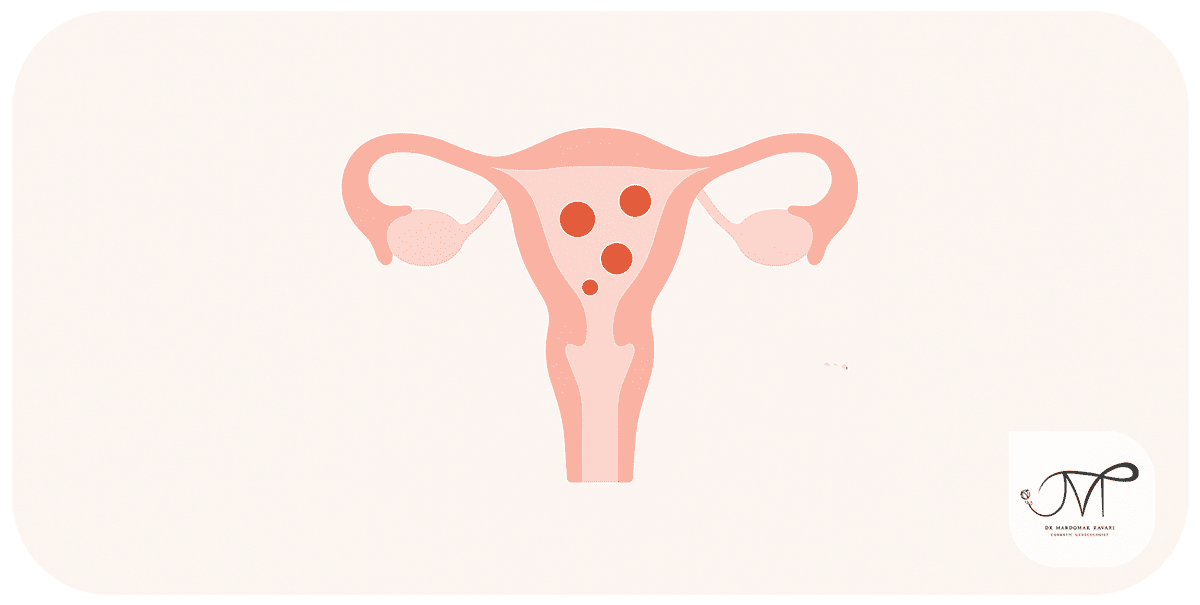
A fibroid (or myoma) is an abnormal growth of muscle cells within the wall of the uterus. These growths are almost always benign and rarely become cancerous. Fibroids can vary in size from a few millimeters to several centimeters. Some women may have only one fibroid, while others may develop multiple fibroids at the same time.
Types of fibroids based on location:
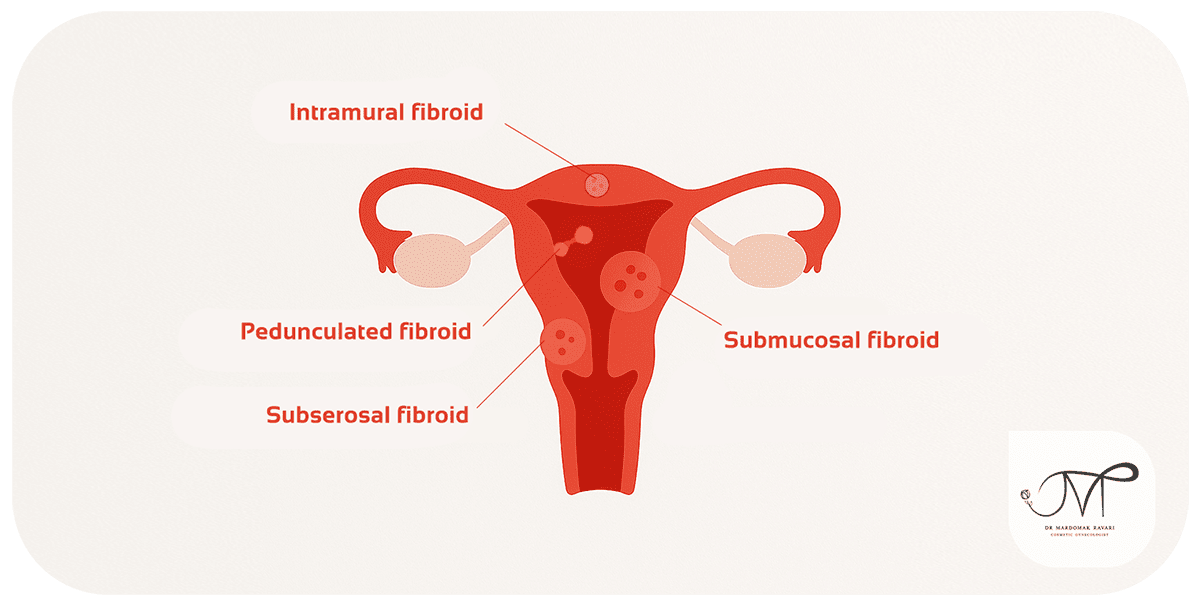
- Intramural fibroids: The most common type, growing inside the uterine muscle wall, sometimes enlarging the uterus.
- Submucosal fibroids: Grow into the uterine cavity and have the greatest effect on heavy bleeding and infertility.
- Subserosal fibroids: Grow outward toward the pelvic cavity, sometimes pressing on nearby organs.
- Pedunculated fibroids: Attached to the uterus by a thin stalk and may cause sudden pain if twisted.
Possible Causes of Uterine Fibroids
The exact cause of fibroids is not fully understood, but several factors play a role:
- Hormones: Estrogen and progesterone promote fibroid growth. Fibroids often enlarge during pregnancy and shrink after menopause.
- Genetics: Having a mother or sister with fibroids increases risk.
- Obesity: Excess fat tissue alters hormone balance, stimulating fibroid growth.
- Age: Most common between ages 30–50, usually shrinking after menopause.
- Diet: High intake of fatty foods and red meat may increase risk.
Common Symptoms of Uterine Fibroids
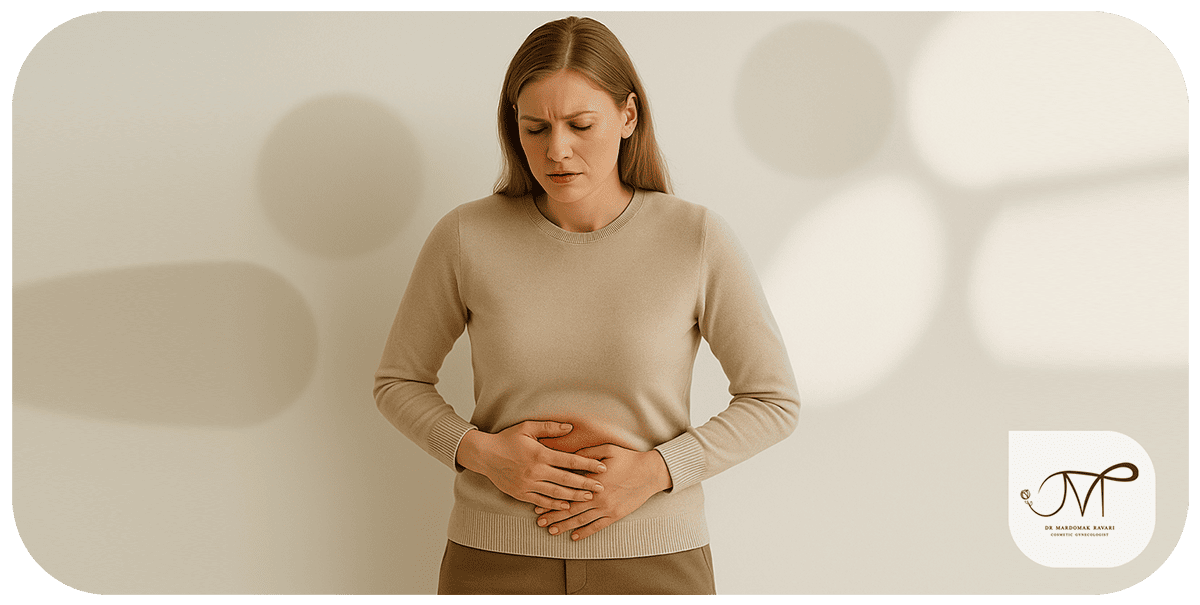
Fibroids can sometimes be asymptomatic and discovered incidentally during ultrasound. However, when symptoms appear, they may include:
- Heavy or prolonged menstrual bleeding.
- Pelvic or lower abdominal pain or pressure.
- Frequent urination or feeling of incomplete bladder emptying.
- Constipation due to bowel pressure.
- Pain during intercourse.
- A sensation of heaviness in the uterus.
- Fertility issues or recurrent miscarriage.
Diagnosis of Uterine Fibroids
- Pelvic exam: A doctor may detect an enlarged or irregularly shaped uterus.
- Ultrasound: First-line diagnostic method using sound waves to visualize fibroids.
- MRI: Provides detailed images of size, number, and location, especially before surgery.
- Hysteroscopy: Direct visualization inside the uterus to detect submucosal fibroids.
- Laparoscopy: In select cases, to examine fibroids outside the uterus or stalked fibroids.
Treatment Options for Uterine Fibroids
Medical treatments:
- Birth control pills or progestins: Help regulate periods and reduce bleeding.
- GnRH agonists: Temporarily lower hormone levels and shrink fibroids.
- NSAIDs (e.g., ibuprofen): Reduce menstrual pain.
- Iron supplements: For anemia caused by heavy bleeding.
Non-surgical treatments:
- Uterine artery embolization (UAE): Blocks blood supply to fibroids, causing shrinkage.
- Endometrial ablation: Destroys the uterine lining to reduce bleeding (not suitable for women planning pregnancy).
Surgical treatments:
- Myomectomy: Removes fibroids while preserving the uterus (via open surgery, laparoscopy, or hysteroscopy).
- Hysterectomy: Removes the uterus entirely; an option for women who no longer wish to conceive and have severe symptoms.
Prevention and Self-Care
– Balanced diet with plenty of vegetables, fruits, legumes, and whole grains.
– Reduced intake of red meat and animal fats.
– Regular physical activity (at least 30 minutes daily).
– Stress management through yoga, meditation, or enjoyable activities.
– Annual gynecological check-ups, even without symptoms.
Summary
In many women, uterine fibroids may occur alongside other gynecological conditions or present with similar symptoms. For instance, vaginal candidiasis can cause discharge or pelvic pressure and may initially be mistaken for fibroids. Awareness of HPV infection and genital warts is also important, as both conditions can sometimes coexist, requiring a thorough examination of the uterus and cervix. In such cases, physicians often recommend a pelvic ultrasound to identify the exact cause of symptoms and assess the condition of the uterus and ovaries.
Because uterine fibroids can lead to chronic pelvic pain, pressure, or even fertility issues over time, understanding other possible gynecological diseases is essential for accurate diagnosis. Sometimes, patients presenting with pelvic pain or abnormal bleeding actually have a chlamydia infection, which—if left untreated—can result in pelvic inflammatory disease and infertility. On the other hand, the pressure caused by large fibroids can be mistaken for uterine prolapse. Therefore, regular visits to a gynecologist, routine ultrasounds, and timely treatment are the best ways to preserve reproductive health and prevent long-term complications.
Uterine fibroids are common but manageable. Many women may develop fibroids at some point in their lives, yet not all require treatment. Recognizing the symptoms, consulting a doctor promptly, and choosing the right treatment method based on individual needs can help maintain quality of life and reproductive health.
References

Fibroids are manageable; act early!
Fill out the consultation form now and our assistant will contact you shortly.
 FAQ
FAQ
No comments have been posted.
Your email address will not be published. Required fields are marked *


