



Trichomoniasis (Vaginal Parasite Infection): Causes, Symptoms, Diagnosis, and Comprehensive Management
Introduction
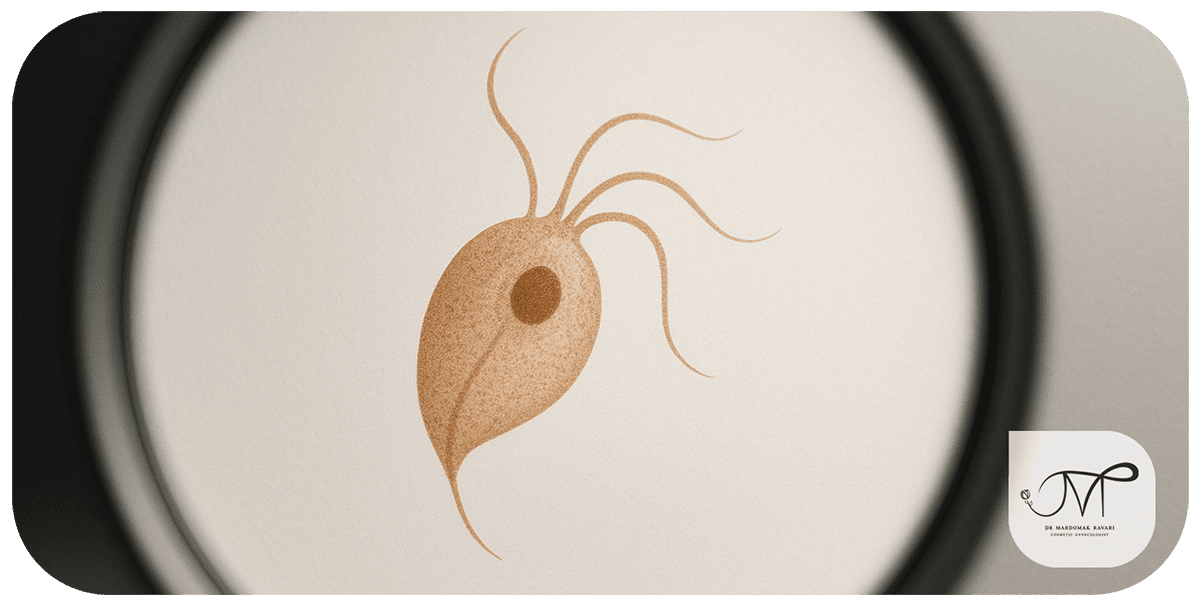
Trichomoniasis is a sexually transmitted infection caused by the protozoan parasite *Trichomonas vaginalis*. Around 25 million people are affected annually worldwide, with prevalence ranging from 5% to 25% depending on the region. Many infected individuals experience mild or no symptoms, which makes unintentional transmission common. Timely diagnosis and treatment are essential, as trichomoniasis is linked to pelvic inflammatory disease (PID), infertility, and an increased risk of HIV.
Transmission Routes and Risk Factors
1) Sexual Transmission
- Vaginal, oral, or anal sex: direct contact with infected secretions is the primary mode of transmission.
- Lack of condom use: increases risk due to direct mucosal exposure.
2) Non-Sexual Transmission (rare)
- Shared items: contaminated towels, underwear, or sex toys.
- Swimming in poorly maintained water: possible in areas with low hygiene standards.
3) Risk-Enhancing Factors
- Multiple sexual partners
- Co-existing STIs
- Weakened immune system (e.g., HIV-positive individuals)
- Pregnancy: hormonal and immune changes increase susceptibility
Why Does the Infection Cause Symptoms?
When the parasite enters the vagina or urethra, several processes occur:
- Adhesion: the flagellated parasite attaches to mucosal surfaces.
- Inflammation: movement irritates tissues and triggers inflammation.
- Irritants: parasite releases chemicals that cause burning and itching.
- Disruption: the parasite outcompetes beneficial bacteria, disrupting vaginal balance.
Clinical Symptoms and Onset

In Women
- Frothy, green-yellow or gray discharge with a fishy odor
- Vaginal itching and burning
- Pain during urination or intercourse
- Pelvic discomfort due to deeper inflammation
Symptoms usually appear 5–28 days after exposure, though they can last longer in some cases.
In Men
- Often asymptomatic
- Possible mild burning during urination, minor clear discharge, or mild discomfort
- Asymptomatic men can still transmit the parasite to partners
Diagnosis
Clinical Examination
- Pelvic exam and medical/sexual history review
Laboratory Methods
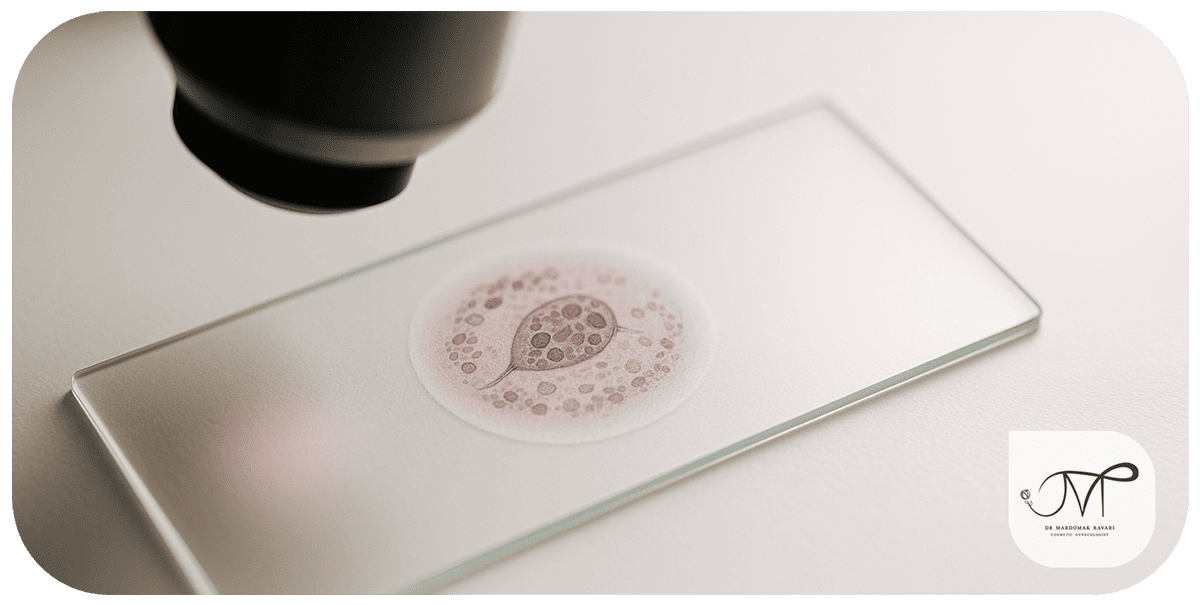
- Microscopy: direct observation of motile trophozoites in fresh samples
- Culture: more sensitive but requires 2–7 days
- PCR: highest accuracy, detects even low parasite counts
- Rapid antigen tests: office-based, results within minutes (80–90% sensitivity)
Additional Evaluation
- STI panel: screening for HIV, gonorrhea, and chlamydia
- CBC and CRP: if there is concern about systemic spread or PID
Treatment and Follow-Up
Laser vaginal therapy is being explored as an adjunct in some cases, but standard drug therapy remains the gold standard.
First-Line Medications
- Metronidazole
- Tinidazole
Partner Treatment
- Treating sexual partners simultaneously is essential to prevent reinfection.
Managing Complications
- Resistant cases: extended 7-day courses of metronidazole or alternative tinidazole regimens
- PID management: requires broad-spectrum antibiotics if pelvic infection develops
Prevention and Hygiene Tips
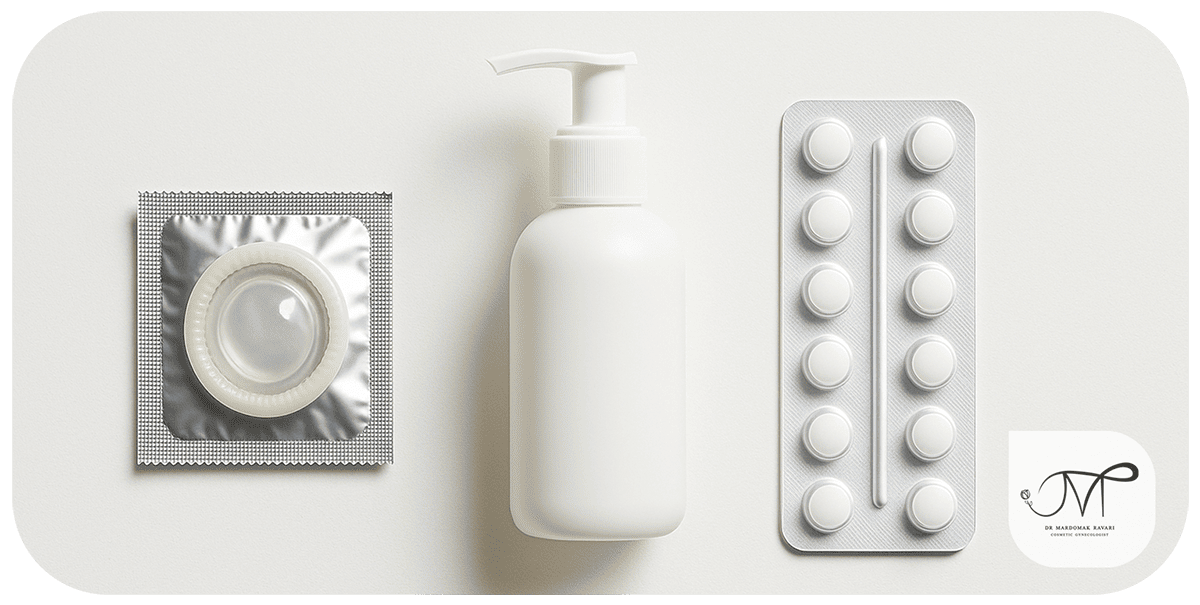
- Consistent condom use during all sexual encounters
- Avoid vaginal douching to preserve normal flora
- Gentle external washing with warm water and thorough drying
- Sexual health education to reduce high-risk behaviors
Long-Term Complications if Untreated
-
- Pelvic inflammatory disease (PID): affecting uterus and fallopian tubes
- Pregnancy complications: preterm labor and low birth weight
- Increased HIV risk due to inflamed mucosa
- Temporary or permanent infertility
Conclusion
Trichomoniasis is one of the common vaginal infections, but it rarely occurs alone — it often appears alongside other infections such as vaginal yeast infection (candidiasis) or bacterial vaginosis (BV). These three conditions share similar symptoms like itching, burning, and abnormal discharge, and without proper examination, they can be easily misdiagnosed.
That’s why laboratory testing is essential to distinguish between them.In some patients, trichomonas infection can increase the risk of developing pelvic inflammatory disease (PID), as inflammation and mucosal damage caused by the parasite allow bacteria to enter the uterus and fallopian tubes.Treating coexisting infections and following up regularly with a gynecologist can help prevent long-term complications such as infertility.
Having infections like trichomoniasis may also increase the risk of contracting other sexually transmitted diseases (STDs), including genital warts (HPV), since irritated or damaged mucosa becomes more vulnerable to viruses.Awareness and prevention play a crucial role in maintaining sexual health.
Regular condom use, avoiding high-risk sexual behavior, treating both partners simultaneously, and maintaining good personal hygiene are among the most effective prevention strategies.Women of reproductive age should pay attention to any changes in discharge, vaginal odor, or burning sensations and see a doctor promptly if symptoms occur.
Regular education and care regarding vaginal infections remain the best way to protect sexual health and prevent trichomoniasis recurrence.
Trichomoniasis is a treatable sexually transmitted infection. Early diagnosis and timely treatment prevent serious complications. Preventive measures, including condom use and simultaneous partner treatment, are key to reducing recurrence. If you notice unusual discharge, itching, or discomfort, seek medical attention promptly.
References
- UpToDate. (2023). Trichomoniasis: Clinical features and treatment.
- CDC. (2022). Sexually Transmitted Diseases Treatment Guidelines: Trichomoniasis.
- WHO. (2019). Guidelines for the management of sexually transmitted infections.

Take sexually transmitted infections seriously; treatment is simple.
Fill out the consultation form now and our assistant will contact you shortly.
 FAQ
FAQ
No comments have been posted.
Your email address will not be published. Required fields are marked *


