



Endometrial Polyp: Symptoms, Diagnosis, and Complete Treatment
Introduction – Why Understanding Endometrial Polyps Matters
Endometrial polyps are among the most common disorders of the female reproductive system, seen at various ages—particularly during reproductive years and after menopause. They occur when the uterine lining (endometrium) grows excessively and abnormally, forming a soft protruding mass inside the uterine cavity.
Although most polyps are benign, in some cases they may cause problems such as infertility, abnormal bleeding, or—rarely—develop precancerous changes. The important point is that many women may live with this condition for years without noticing any clear symptoms.
Sometimes the only sign is mild spotting or slightly irregular periods; however, even this small symptom can indicate a treatable polyp that can be easily removed through a simple procedure.
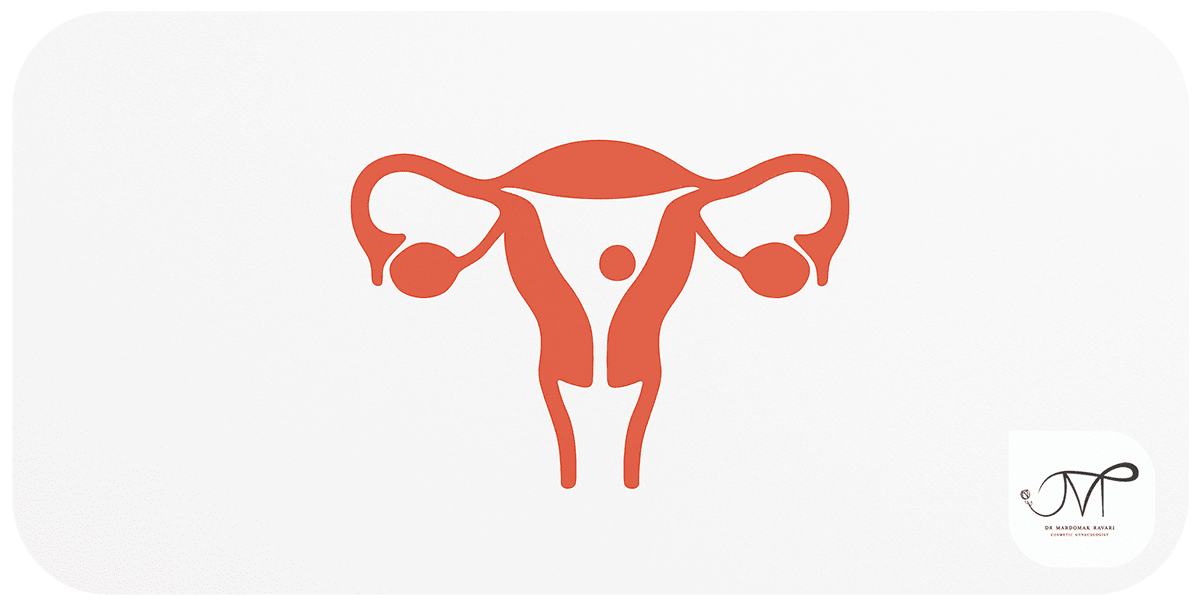
Definition of Endometrial Polyp in Simple Terms
An endometrial polyp is a soft, usually noncancerous growth that arises from the lining of the uterus. Its size can range from a few millimeters to several centimeters. Some women have only one polyp, while others may develop several at once.
Polyps are generally round or oval and may attach to the uterine wall through a narrow stalk or a broad base. In some cases, they grow large enough to extend through the cervix and become visible during a physical examination—such cases often require prompt removal.
Risk Factors – Who Is More Likely to Develop Endometrial Polyps?

Although endometrial polyps can develop at any age, certain conditions increase the likelihood:
- Women over 40–45 years old
- Obesity or being overweight
- Use of certain hormonal medications, such as tamoxifen (for breast cancer)
- Family history of uterine polyps or related disorders
- Irregular menstruation or late menopause
- High blood pressure or diabetes (as seen in some studies)
Common Symptoms of Endometrial Polyps
Many polyps cause no symptoms and are often discovered incidentally during routine ultrasound or infertility evaluation. When symptoms do occur, they may include:
- Spotting or bleeding between periods
- Prolonged, heavy, or painful menstruation
- Spotting or bleeding after intercourse
- Postmenopausal bleeding (requires immediate evaluation)
- Pelvic pressure or heaviness
- Difficulty conceiving or recurrent miscarriages
Diagnostic Methods for Endometrial (Uterine) Polyps
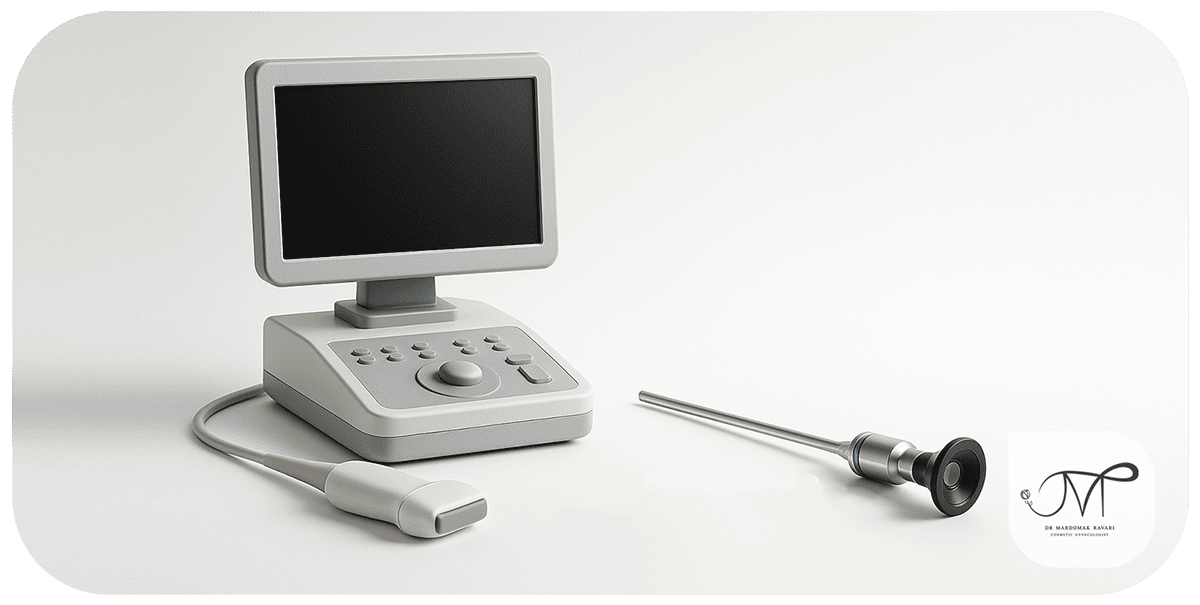
Accurate diagnosis is typically achieved through a combination of imaging and direct visualization techniques:
-
Transvaginal Ultrasound
A special probe is used to assess the thickness and contour of the endometrium. This is the first and simplest diagnostic step.
-
Saline Infusion Sonography (SIS)
A sterile saline solution is infused into the uterus to separate the walls, allowing clearer visualization of polyps.
-
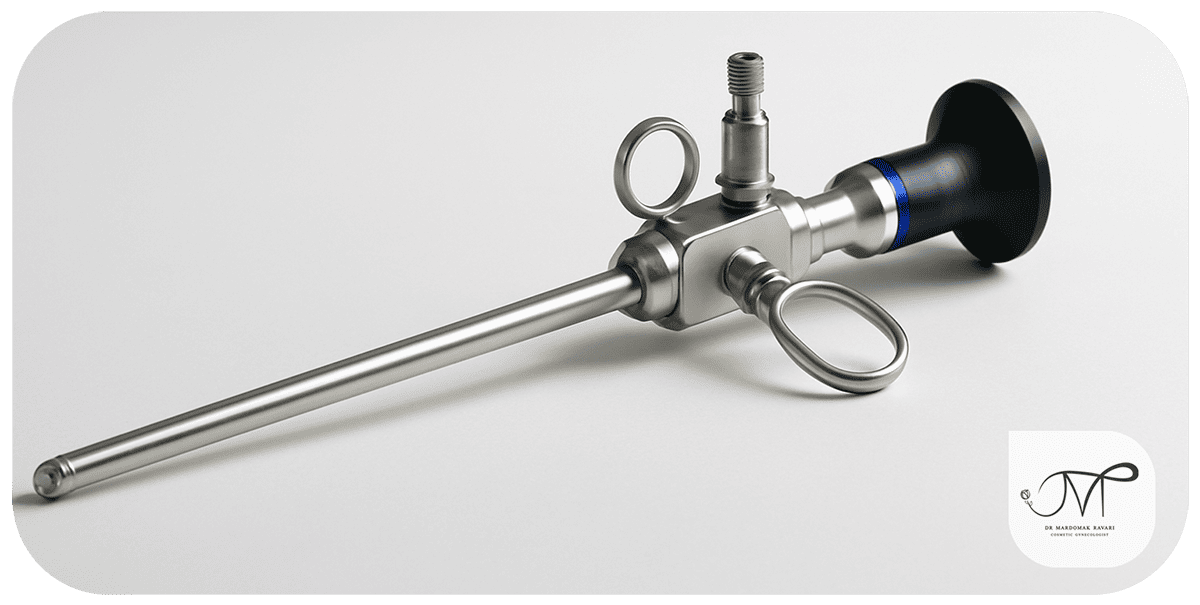
Hysteroscopy
A thin, camera-equipped instrument is inserted into the uterus, allowing the doctor to see the polyp directly. This method is both diagnostic and therapeutic.
-
Biopsy (Sampling)
In cases suspicious for malignancy, a tissue sample is taken for microscopic examination.
Treatment Options for Endometrial Polyps
Conservative (Initial) Management – for small or asymptomatic cases:
– Regular monitoring without immediate intervention
– Use of progesterone therapy or hormonal IUDs to control symptoms
Definitive Treatment:
- Operative Hysteroscopy: A minimally invasive and precise method for complete removal of polyps
- Dilation and Curettage (D&C): An older method with a higher chance of incomplete removal
- Hysterectomy: Reserved for select cases, such as suspected malignancy or recurrent polyps in postmenopausal women
Are Endometrial Polyps Dangerous?
In most cases, no. However, about 5%—especially in postmenopausal women or those with a family history of uterine cancer—may show precancerous changes. Even benign polyps can cause chronic bleeding, anemia, or infertility.
Prevention and Post-Treatment Care
- Annual gynecological checkups
- Maintaining a healthy weight and a diet rich in fruits and vegetables
- Regular physical activity to support hormonal balance
- Avoiding self-prescribed hormonal medications
- Managing underlying conditions such as diabetes and hypertension
- Follow-up visits after surgery to prevent recurrence
Clinical Case Examples

Case 1 – Postmenopausal Bleeding
A 54-year-old woman presented with spotting three years after menopause. Ultrasound revealed thickened endometrium. Hysteroscopy was performed, and a 1.5 cm polyp was removed. Pathology was benign, and bleeding resolved.
Case 2 – Long-Term Infertility
A 32-year-old woman with two years of infertility and no other symptoms underwent SIS, revealing a 1 cm polyp near the implantation site. After removal, she conceived within three months.
Case 3 – Heavy Menstrual Bleeding
A 40-year-old woman reported heavy periods and anemia. Two polyps were identified and removed via hysteroscopy. Her bleeding normalized afterward.
Case 4 – Protruding Cervical Polyp
A 38-year-old woman complained of a foreign body sensation after intercourse. Examination revealed a pedunculated polyp protruding through the cervix, which was removed in the clinic. Symptoms resolved immediately.
Summary
Endometrial polyps are common but treatable. Early diagnosis, proper treatment choice, and appropriate postoperative care help preserve uterine and reproductive health. Any abnormal bleeding should always be taken seriously.
References
- Mayo Clinic – Uterine polyps: Symptoms and causes
- WebMD – Endometrial Polyps Overview
- UpToDate – Evaluation and management of endometrial polyps (2024 update)
- Salim R, et al. Diagnosis and management of endometrial polyps: a critical review of the literature. J Minim Invasive Gynecol. 2011;18(5):569-81.

Unusual bleeding? Get evaluated today!
Fill out the consultation form now and our assistant will contact you shortly.
 FAQ
FAQ
No comments have been posted.
Your email address will not be published. Required fields are marked *


