


IUD; An Effective Method of Birth Control
Introduction
Many women want a reliable, long-term birth control method that doesn’t require taking a pill every day. The intrauterine device (IUD) is one of the most popular options. It is a small, T-shaped device placed inside the uterus that can prevent pregnancy for years. In this article, we explain everything about IUDs in simple language: what they are, how insertion works, aftercare, and the pros and cons.
What is an IUD?
IUD stands for Intrauterine Device.
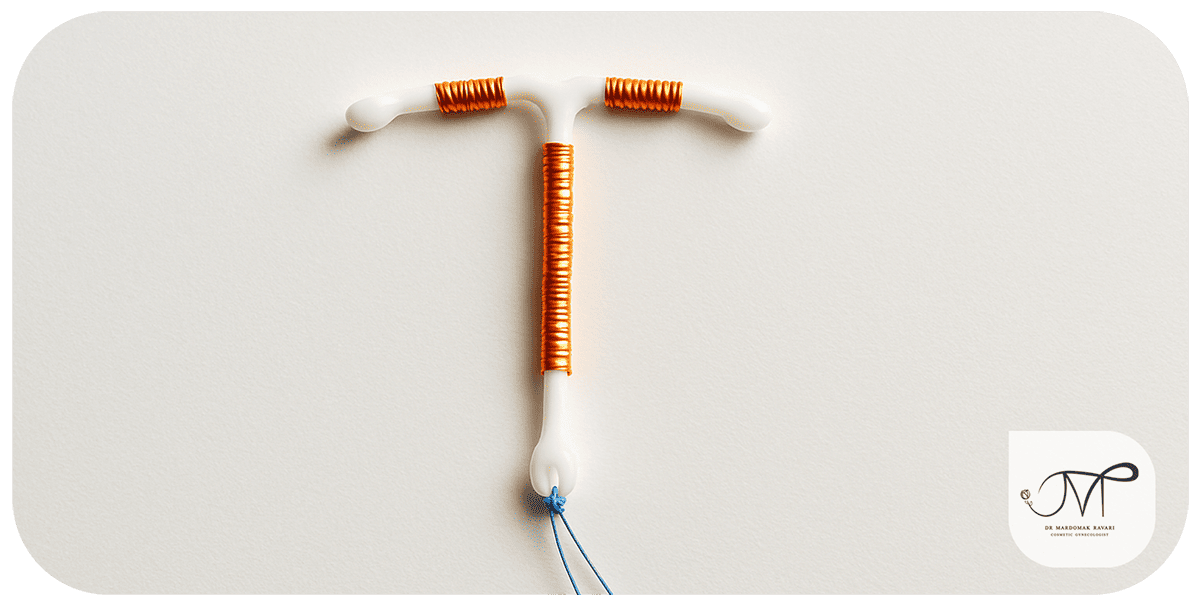
– It is shaped like a small T.
– It is made of soft plastic and sometimes includes copper or a progesterone hormone.
– It is placed inside the uterus and, depending on the type, can prevent pregnancy for 3 to 10 years.
In simple terms: an IUD acts like a “small guardian” in the uterus, preventing sperm and egg from meeting or stopping an embryo from implanting.
Types of IUD
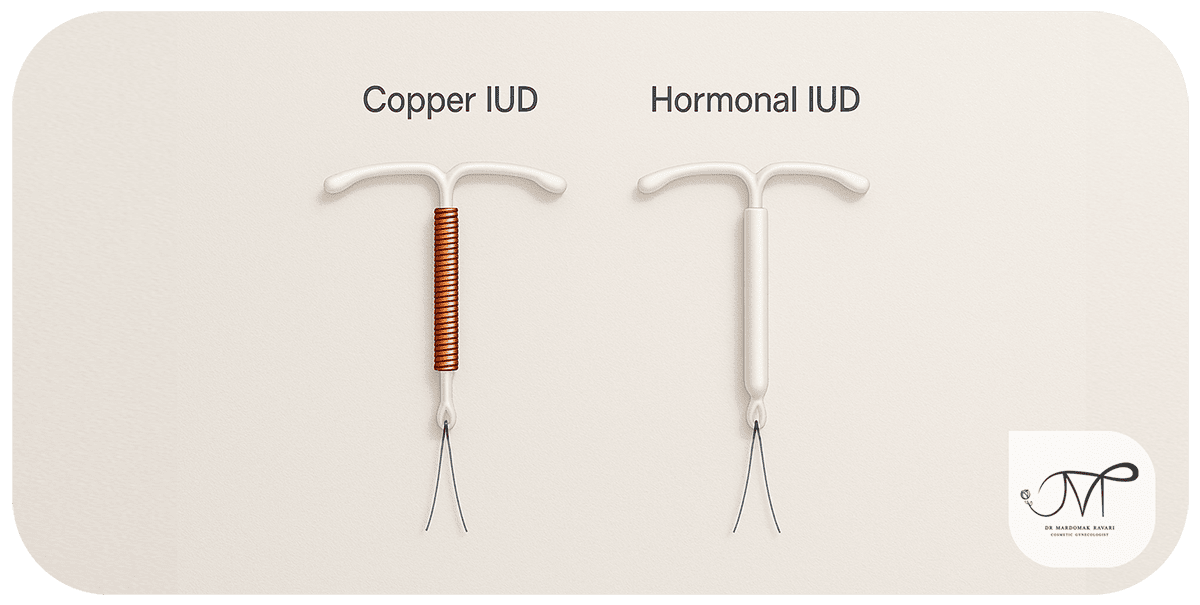
1) Copper IUD
- Hormone-free.
- Copper interferes with sperm movement.
- Duration: up to 10 years.
- A good choice if you prefer to avoid hormones.
- Periods may become heavier or more painful.
2) Hormonal IUD
- Releases a small amount of progesterone.
- Thickens cervical mucus and makes implantation harder.
- Duration: 3 to 5 years (depending on brand).
- Often makes periods lighter and sometimes stops them.
- Helpful for women with heavy bleeding or painful periods.
Who can get an IUD?
- Sexually active, married, or partnered women.
- With or without previous pregnancies (based on medical evaluation).
- Those who do not want other hormonal methods such as pills.
- Anyone seeking a long-term, highly reliable method.
Who should avoid an IUD?
- People with an active pelvic or vaginal infection.
- Those with unexplained or suspicious uterine bleeding (the cause must be evaluated).
- Women with a history of uterine or cervical cancer.
- Those with a markedly abnormal uterine shape or large fibroids that distort the cavity.
How an IUD i placed (step by step)
-
- The doctor examines you to make sure there is no infection or other issue.
- Sometimes a Pap smear or infection screening is recommended before insertion.
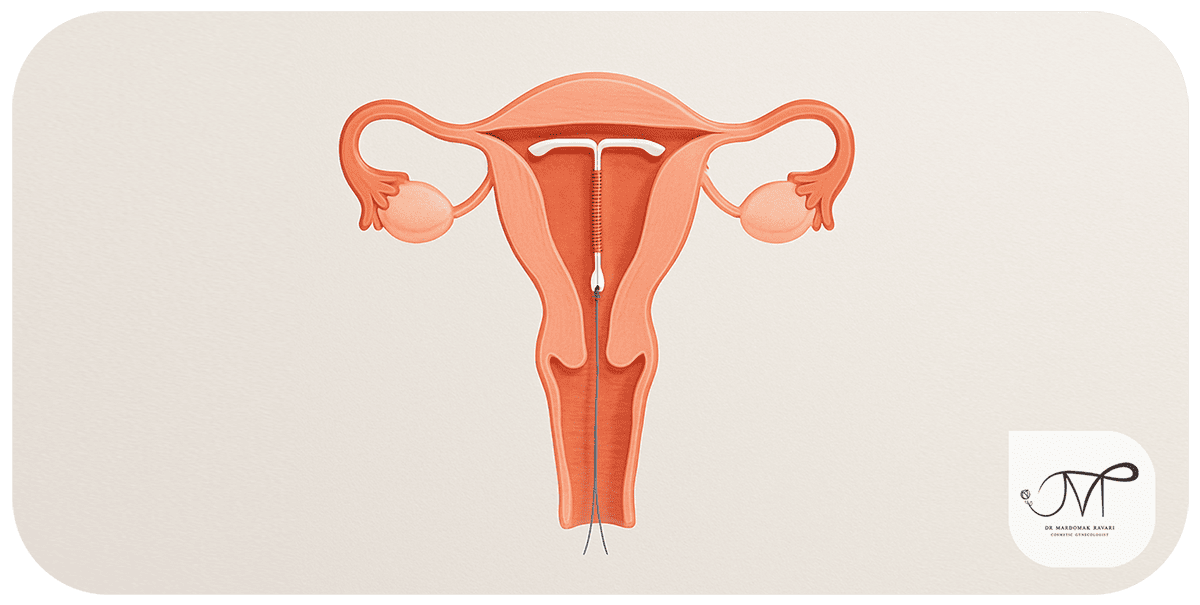
- The IUD is inserted through the vagina into the uterus using a thin applicator.
- The device opens inside the uterus and sits in place.
- Two thin strings remain at the cervix for checking and later removal.
Time needed: about 5 to 10 minutes.
No anesthesia is required; you may feel cramping or pressure similar to period pain.
What to expect after IUD insertion
- Mild lower abdominal cramping for a few days is common.
- Light spotting or bleeding is normal.
- Periods may be irregular for the first few months.
- The body usually adapts within 3 to 6 months.
Advantages of an IUD
- Very effective (over 99 percent).
- Long-acting (3 to 10 years).
- Reversible: it can be removed at any time.
- Suitable during breastfeeding.
- No daily reminder needed, unlike pills.
- Hormonal IUD: lighter or absent periods.
- Copper IUD: hormone-free for those who prefer no hormones.
Disadvantages of an IUD
- Insertion can be somewhat uncomfortable.
- Copper IUD: may cause heavier or more painful periods.
- Rarely, the IUD can be expelled.
- Very rarely, uterine perforation can occur during insertion.
- Does not protect against sexually transmitted infections.
Aftercare following IUD insertion
- Relative rest for the first 24 hours.
- For mild pain, simple pain relievers are fine.
- Spotting in the first weeks is normal.
- After each period, feel for the strings to make sure the IUD is in place.
- Seek medical help promptly if you develop fever, severe pain, foul-smelling discharge, or unusual bleeding.
- First follow-up visit is usually at 4 to 6 weeks.
Patient experiences
Leila, 32: “I chose the copper IUD. My periods were heavier at first, but after a few months they settled. I’m relieved I don’t need pills.”
Maryam, 27: “I got a hormonal IUD. My periods became very light. The doctor said it was the best choice for my heavy bleeding.”
Nahid, 40: “I was scared about the pain, but it really took just a few minutes. It has been two years now with no problems.”
Conclusion
Before inserting an IUD, your doctor may recommend a screening test, such as a Pap smear, to check for cervical health and rule out pelvic inflammatory disease (PID), as an active infection can prevent this procedure. It is also helpful to know how an IUD differs from other birth control methods, such as birth control pills or the vaginal ring, to make an informed choice. After inserting an IUD, you may experience changes in your period, which may be helpful to read about in the article Menstrual Disorders.
Older women can also use an IUD after consulting with their doctor and paying attention to their hormonal conditions; the article Menopause and Hormonal Care is a good guide in this regard. Remember that an IUD does not prevent sexually transmitted infections (STIs), so it is important to practice good sexual hygiene and be aware of the symptoms of pelvic pain in women to maintain reproductive health.
An IUD is one of the safest and most convenient methods of contraception. Whether copper or hormonal, either can be a great option depending on your individual circumstances. By having an IUD inserted, you can enjoy years of peace of mind without worrying about missing a pill or making a mistake.
Related Articles

A confident choice for years of peace of mind!
Fill out the consultation form now and our assistant will contact you shortly.
 FAQ
FAQ
No comments have been posted.
Your email address will not be published. Required fields are marked *
Share:


