


Pap Smear; A Simple Test to Prevent Cervical Cancer
Introduction
Cervical cancer is one of the cancers that can be treated easily if diagnosed early. The good news is that a simple test called the Pap smear can detect suspicious cellular changes at an early stage. Many women avoid this test due to fear or lack of awareness, while in reality, it only takes a few minutes and provides peace of mind. In this article, we explain Pap smear testing in simple language.

What is a Pap Smear?
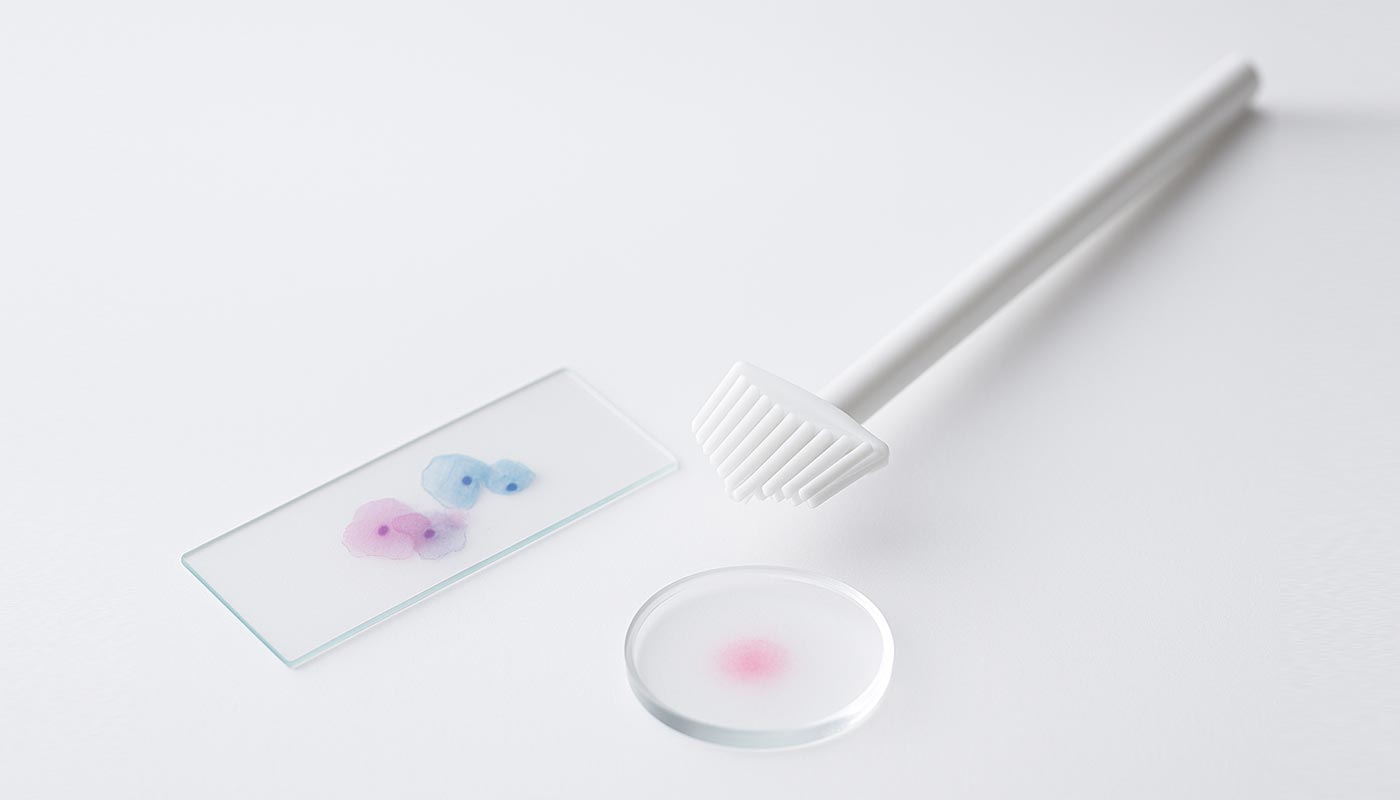
A Pap smear, also known as a Pap test, is a method in which a doctor or midwife uses a small brush to collect cells from the surface of the cervix. These cells are then sent to a laboratory where they are examined under a microscope for any abnormal changes or signs of HPV infection (the virus that can cause cervical cancer).
In simple terms, a Pap smear acts as a screening tool that detects cellular problems before they develop into cancer.
Why is the Pap Smear Important?
- Early detection of cervical cancer
- Identifying cell changes before they become cancerous
- Checking for HPV infection
- Providing reassurance and boosting women’s confidence about their health
Who Should Get a Pap Smear?
- All women aged 21 and above
- Women who are married or sexually active
- Women over 30: ideally combined with an HPV test
- Even after menopause, it is recommended to have it done every few years
How Often Should You Have a Pap Smear?
- Starting from the onset of sexual activity: every year. If three consecutive tests are negative, then every three years.
- For HPV testing: every three years if you have a stable partner.
Reasons for Doing a Pap Smear
Doctors usually recommend a Pap smear in these situations:
- To check for abnormal cellular changes in the cervix
- To detect HPV infection
- In cases of abnormal vaginal bleeding
- As follow-up after treatment of cervical lesions
Steps of a Pap Smear
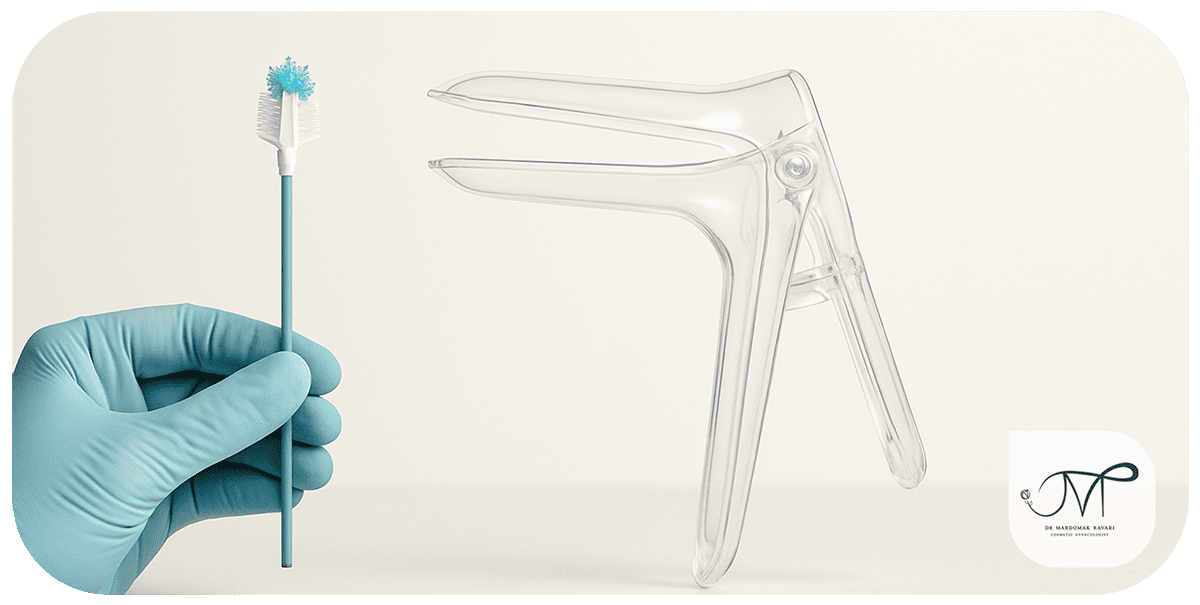
- The patient lies down on the gynecology exam table.
- A speculum (a plastic or metal device) is used to gently open the vagina.
- The doctor collects a sample of cells from the cervix using a small brush or swab.
- The sample is sent to the lab for examination.
The entire procedure usually takes no more than five minutes and does not require anesthesia.
Advantages and Disadvantages of a Pap Smear
Advantages:
– Simple and quick procedure
– Not painful, only mild discomfort
– Detects dangerous changes early
– Low cost compared to its importance
Disadvantages:
– Slight pressure or discomfort during the test
– Possibility of laboratory error (sometimes a repeat test is needed)
– Follow-up may be necessary if the results are abnormal
Care Before and After the Test
Before the test:
- Best time: between days 10 and 20 of the menstrual cycle
- Avoid sexual intercourse for 24–48 hours beforehand
- Do not use vaginal creams, medications, or douches before the test
After the test:
- No special care is usually needed
- Mild spotting is normal
- If heavy bleeding or unusual pain occurs, consult your doctor
Patient Experiences
Somayeh, 28: “I was nervous at first, but it was really easy. It only took five minutes.”
Narges, 35: “Thanks to the Pap smear, I found out I had HPV at an early stage. Now I’m under treatment and feel reassured.”
Elham, 45: “I skipped the test for years until my doctor insisted. Fortunately, my result was normal, and it gave me peace of mind.”
Similar Articles

If it's time for your Pap smear, rest assured!
Fill out the consultation form now and our assistant will contact you shortly.
 FAQ
FAQ
No comments have been posted.
Your email address will not be published. Required fields are marked *
Share:


