


Laser Labiaplasty; A Modern Path to Comfort and Confidence
Introduction
Many women are not fully satisfied with the appearance of their labia. Some are born with larger or asymmetrical labia; others notice stretching or shape changes after childbirth or with age. This isn’t only a cosmetic concern. Enlarged labia can cause rubbing and pain during exercise, recurrent irritation or infections, and a drop in sexual confidence.
Labiaplasty is a popular procedure designed to adjust the size and shape of the labia minora. Today, two main techniques are used: the traditional scalpel method and the modern laser method. Thanks to its precision and safety profile, laser labiaplasty has become highly sought after.
Who is laser labiaplasty right for
Not everyone needs labiaplasty, but certain groups often benefit most.
- Women with naturally enlarged or asymmetrical labia who feel embarrassed or uncomfortable
- Women who notice stretching or laxity after vaginal childbirth
- Those who experience pain and chafing during activities such as cycling or horseback riding
- People who deal with irritation, odor, or recurrent infections due to excess tissue
- Women seeking cosmetic refinement and a boost in body confidence

Some patients describe avoiding tight pants or swimsuits for years. After labiaplasty, they feel freer and more comfortable in daily life. This shows the procedure can improve quality of life—not just appearance.
Traditional surgery versus laser
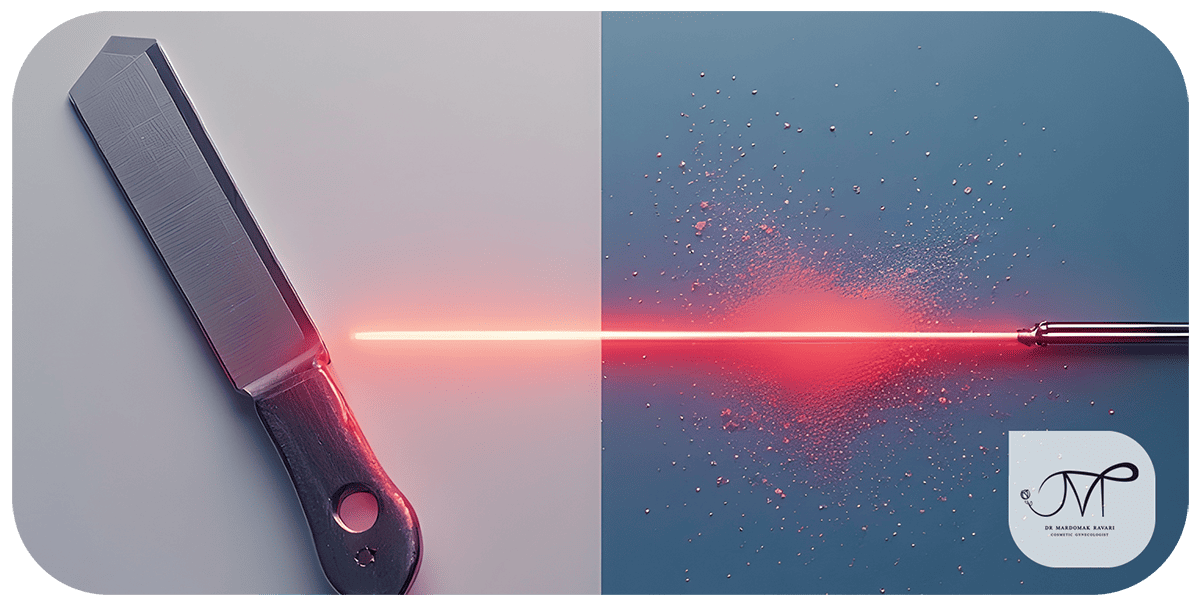
Historically, labiaplasty was performed with a scalpel or scissors. Extra tissue was trimmed and the edges were sutured. While still used, this method can involve more bleeding, longer downtime, and a higher chance of visible stitch marks.
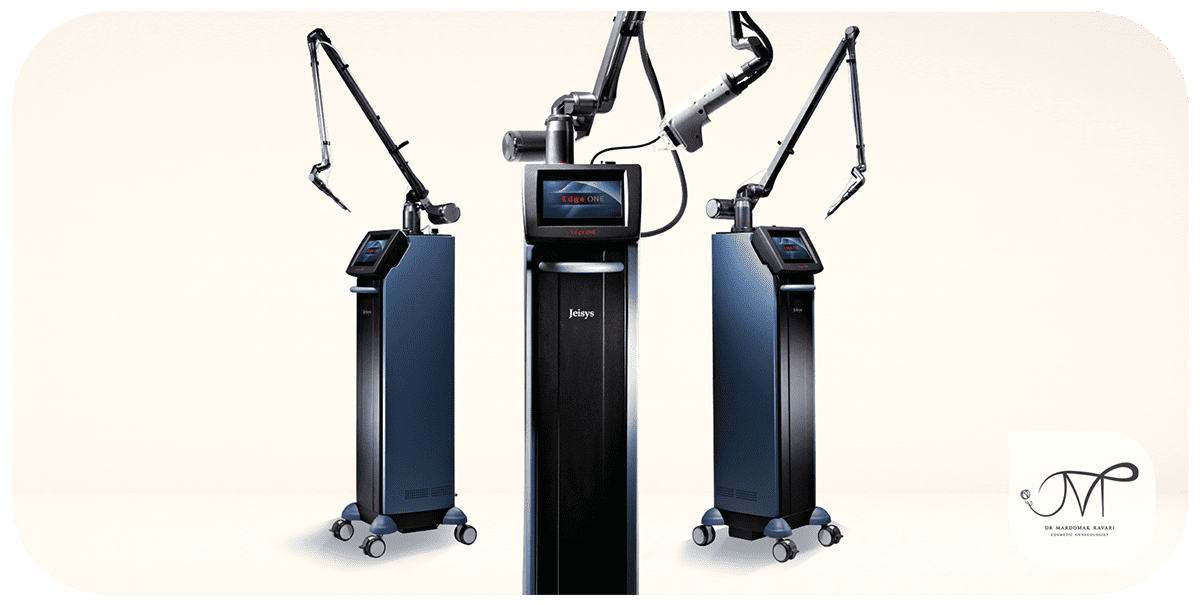
With advances in technology, laser became a powerful alternative. Laser energy removes excess tissue with high precision while sealing tiny blood vessels at the same time. The result is much less bleeding and often fewer sutures. Laser cuts are fine and even, which helps achieve a more natural final contour.
Why choose laser labiaplasty
Precision is the standout advantage. Laser allows millimeter-level control so the surgeon can remove only what’s necessary and sculpt a balanced shape.
Second, there is notably less bleeding. Because the laser seals vessels as it cuts, the surgical field stays cleaner, which typically means less swelling and discomfort afterward.
Third, recovery is faster. Most patients return to light daily activities within 7 to 10 days. With the traditional method, recovery can stretch to three or even four weeks.
Just as important, the risk of infection and prominent scarring is lower with laser labiaplasty. For these reasons, many surgeons and patients prefer the laser approach.
How laser labiaplasty is performed
The procedure is usually done under local anesthesia, without general anesthesia.
- Pre-op mapping: the surgeon examines and marks the exact areas to refine and how much tissue to remove.
- Local anesthesia: numbing medication is injected to keep you comfortable.
- Laser sculpting: the laser precisely trims excess tissue; fine sutures are placed only where needed.
- Same-day discharge: you can go home shortly after the procedure.
The duration varies depending on the anatomy, tissue thickness, and the level of refinement planned.
Aftercare and recovery laser labiaplasty
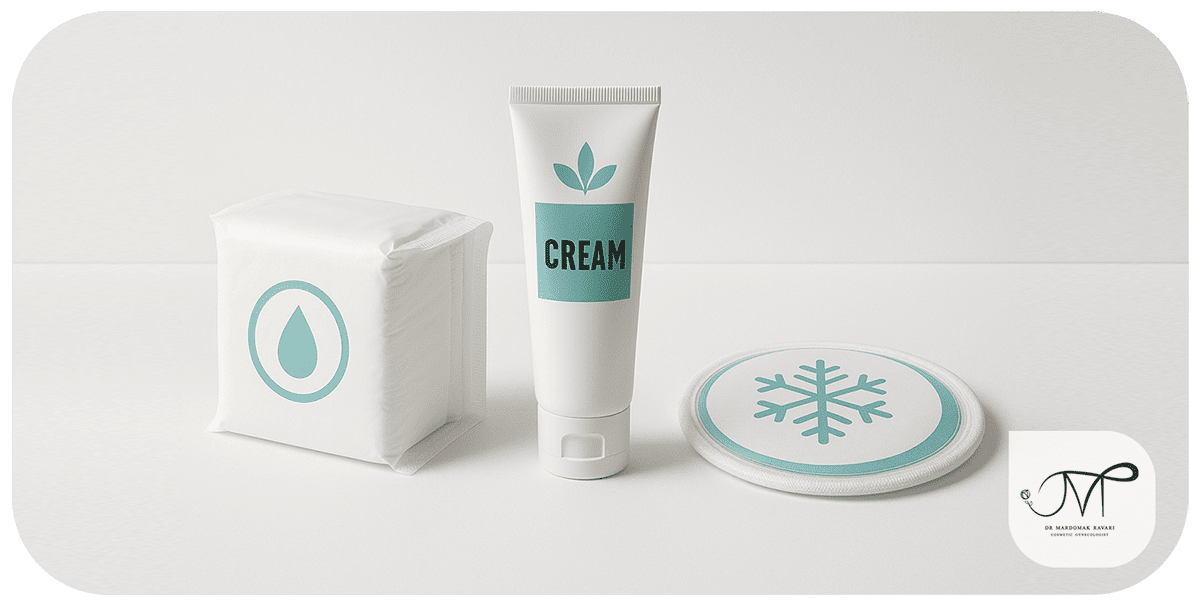
While recovery after laser labiaplasty is generally short, a few steps are essential.
- Apply cold compresses during the first 24 hours to limit swelling
- Avoid high-impact workouts for two weeks
- Keep the area clean and dry according to your surgeon’s instructions
- Use prescribed ointments or medications as directed
- Pause sexual activity for at least 4 to 6 weeks
Many patients report resuming light daily routines within a week, with most activities feeling normal by about one month.
Summary: why laser often wins
Side by side, differences are clear. Traditional labiaplasty typically involves more bleeding, more discomfort, and more stitches. Laser labiaplasty is more precise, cleaner, quicker, and usually easier to recover from. That’s why modern clinics frequently offer laser as the primary option.

Real patient experiences with laser labiaplasty
- Nazanin, 27, congenital labial hypertrophy
Nazanin had felt her labia were larger than usual since adolescence. It kept her from wearing snug clothing or swimsuits and dented her confidence in intimate settings. After consulting a specialist, she chose laser labiaplasty.
“My procedure was faster than I expected. It was done with local anesthesia and I didn’t feel much pain. I went back to work after a week, and now I feel great in my clothes and in front of the mirror.”
- Mahsa, 34, postpartum changes
Following two vaginal births, Mahsa noticed stretching and discomfort during sex, sometimes with irritation from friction.
“I thought I had to live with it. After learning about laser, I decided to try. The surgeon explained there’s less bleeding and pain than with the traditional method. Now I’m happier with the look—and intimacy is more comfortable.”

- Leila, 29, athlete
A competitive cyclist, Leila struggled with persistent rubbing and soreness that sometimes cut training short.
“After laser labiaplasty, I can ride for hours without pain. Recovery was quick; I was back to training in two weeks. Cycling is enjoyable again.”
- Shabnam, 40, seeking rejuvenation
Approaching 40, Shabnam wanted a refreshed look and more confidence.
“It was like a birthday gift to myself. The laser procedure was quick, and I returned to my routine in a few days. I feel younger and more vibrant in my own skin.”
- Sara, 22, confidence concerns
Since her teens, Sara felt anxious about her labial appearance and avoided relationships.
“After the procedure, a weight lifted off my shoulders. My confidence rose, and I feel ready to connect without fear. It changed more than my look—it improved my mood and self-esteem.”
Takeaway from these stories
Motivations vary—from physical pain and irritation to self-confidence and aesthetics. The common thread is that laser labiaplasty delivers precise shaping, minimal bleeding, and a shorter recovery, helping many women feel better day to day.
Conclusion
As seen in these five real stories, the motivations for undergoing laser labioplasty vary—from physical issues like pain and irritation to emotional concerns such as reduced self-confidence. Yet, the common thread among all these experiences is that laser treatment, with its high precision, minimal pain and bleeding, and short recovery period, has significantly improved their quality of life.
Laser labioplasty is a modern, precise technique designed to enhance the shape and symmetry of the inner labia (labia minora). Beyond aesthetics, it also improves comfort, hygiene, and self-confidence. This procedure uses advanced laser technology, requiring no extensive incisions, with minimal bleeding and a short downtime.
One major advantage of laser labioplasty is its ability to be combined with other genital rejuvenation and restorative treatments in a single session—such as genital fat grafting (to add volume and rejuvenate the labia majora), vaginoplasty for tightening and reconstruction, stem cell injections, PRP and PRF therapy, or vaginal tightening with RF devices that stimulate collagen production and strengthen internal tissue. Combining these treatments not only saves recovery time but also delivers more harmonious, youthful, and aesthetic results.
Related Articles

Want the best laser labiaplasty option?
Fill out the consultation form now and our assistant will contact you shortly.
 FAQ
FAQ
No comments have been posted.
Your email address will not be published. Required fields are marked *


