

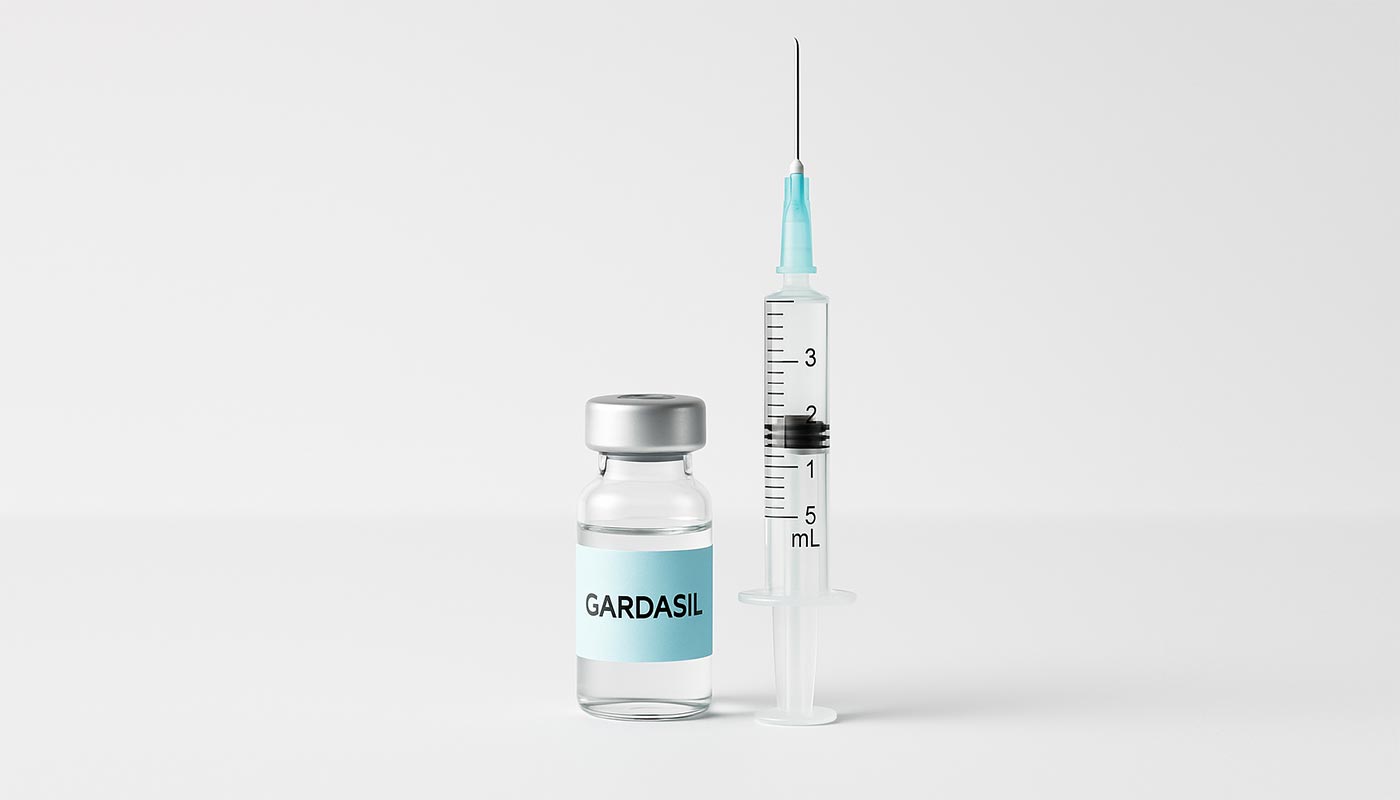
Gardasil Vaccine; Protection Against HPV and Cervical Cancer
Introduction
Cervical cancer is one of the most common cancers in women, but the good news is that it can be prevented. The main cause of this cancer is a virus called HPV (human papillomavirus). HPV is transmitted through sexual contact and can lead to genital warts or precancerous changes in the cervix.
Fortunately, there is now a vaccine called Gardasil that can protect against HPV and prevent over 90% of the problems caused by this virus.
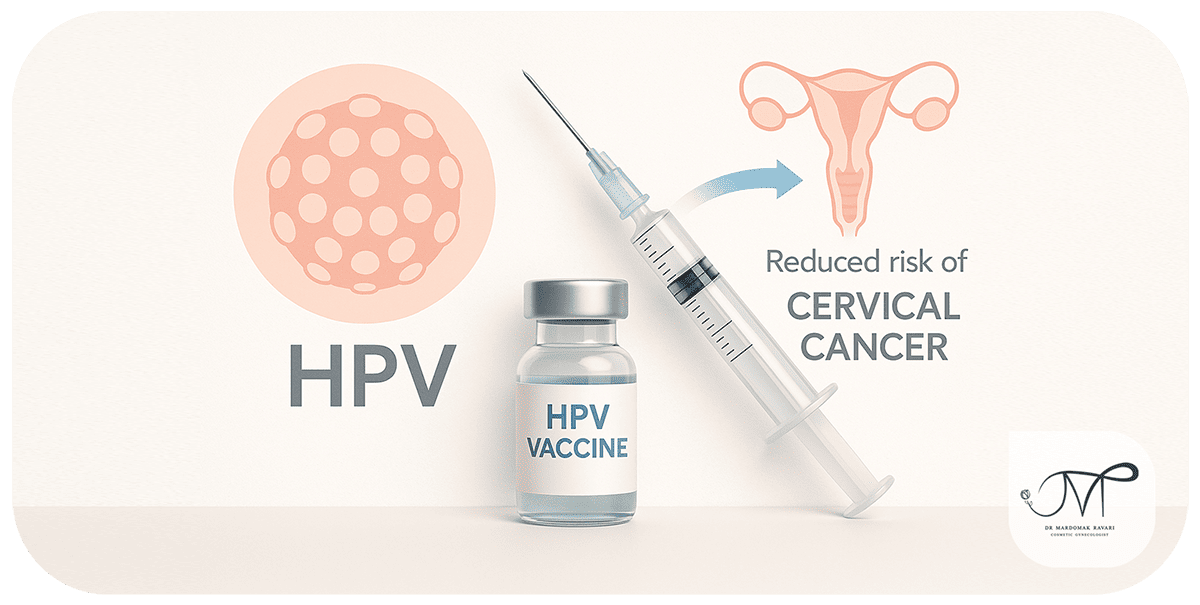
What is the Gardasil vaccine?
Gardasil is a safe vaccine approved by the US Food and Drug Administration (FDA) and the World Health Organization (WHO).
It protects the body against the most dangerous types of HPV and prevents:
- Genital warts
- Cervical cancer
- Other HPV-related cancers (such as vaginal, anal, and throat cancers)
Types of Gardasil vaccine
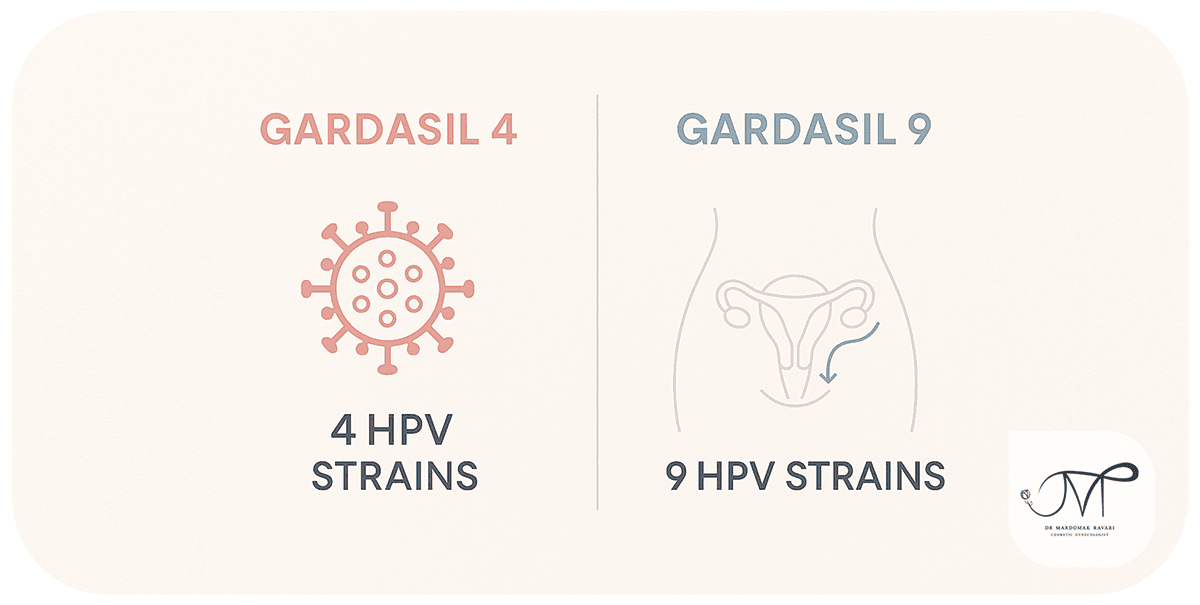
- Gardasil 4: protects against 4 HPV types (6, 11, 16, 18)
- Gardasil 9: protects against 9 HPV types (6, 11, 16, 18, 31, 33, 45, 52, 58) – newer and more comprehensive
Who should get the Gardasil vaccine?
- Girls and boys aged 9 to 26 are the best candidates.
- The ideal age: 11–12 years (before the start of sexual activity).
- Women older than 26 can also be vaccinated, but the effect is lower compared to younger age groups.
- Men can also benefit, as HPV is not exclusive to women and can cause anal and throat cancers in men.
Benefits of Gardasil vaccination
- Prevents more than 70% of cervical cancer cases
- Prevents over 90% of genital warts cases
- Protects against multiple HPV strains
- Safe, globally approved, and effective
- Provides long-term protection after completing the doses
- Offers some protection even for those already exposed to HPV by preventing new infections
How is Gardasil administered?
- Given as an intramuscular injection (usually in the arm or thigh)
- Number of doses:
- If started before age 15: 2 doses (0 and 6 months)
- If started after age 15: 3 doses (0, 2, and 6 months)
- After completing the doses, long-term immunity develops
Possible side effects
Most people experience no problems. Some mild and temporary effects may occur:
- Pain or redness at the injection site
- Mild fever or headache
- Short-term fatigue
These effects usually resolve within 1–2 days.
Patient experiences

Maryam, 25:
“I was really afraid of genital warts. After doing my research, I decided to get the Gardasil vaccine. I didn’t have any side effects and now I feel safe knowing I’m protected against cervical cancer.”
Nastaran, mother of a 13-year-old girl:
“I chose Gardasil for my daughter. The doctor said the best time is before marriage and sexual activity. I feel like this is the greatest gift I could give to her future health.”
Elham, 30:
“My Pap smear once came back abnormal. After treatment, I got the Gardasil vaccine to avoid reinfection. It gave me a real sense of security.”
Importance of Screening Alongside Vaccination
Although the Gardasil vaccine protects against most HPV types, it does not replace regular screening tests such as Pap smears and HPV testing. Even vaccinated women should continue screening every three years to detect any cellular changes early.
Combining vaccination with regular screening remains the most effective strategy for complete cervical cancer prevention.
Conclusion
The Gardasil vaccine not only protects against cervical cancer but also prevents many types of HPV infections and related diseases. Administering it during adolescence—before the onset of sexual activity—can help safeguard the future sexual health of both women and men.
If you haven’t received the vaccine yet, consulting a gynecologist or infectious disease specialist can help determine the best vaccination schedule for you.
To gain a deeper understanding of how the Gardasil vaccine helps prevent viral infections and genital-related cancers, we recommend reading the following articles:
In the article “HPV and Genital Warts: Prevention and Treatment” you’ll learn about the nature of the human papillomavirus, its transmission routes, medical treatments, and protective measures.
The article “Genital Herpes (HSV): Management and Treatment” discusses the differences between HSV and HPV, their symptoms, and practical strategies to reduce recurrence.
If you’re interested in how regular screenings assist in the early detection of cancer, don’t miss “Pap Smear and Colposcopy: Methods for Examining the Cervix.”
You can also explore “Infertility Caused by Sexually Transmitted Infections,” which explains how neglecting chronic infections can lead to blocked fallopian tubes and fertility problems.
Similar Articles
- World Health Organization (WHO): Human Papillomavirus (HPV) and Cervical Cancer
- U.S. Food and Drug Administration (FDA): Gardasil 9 Information
- Centers for Disease Control and Prevention (CDC): HPV Vaccination Recommendations
- Mayo Clinic: HPV infection and vaccines overview
- American College of Obstetricians and Gynecologists (ACOG): Cervical Cancer Prevention and Screening Guidelines

Gardasil vaccination secures your future!
Fill out the consultation form now and our assistant will contact you shortly.
 FAQ
FAQ
No comments have been posted.
Your email address will not be published. Required fields are marked *
Share:


