

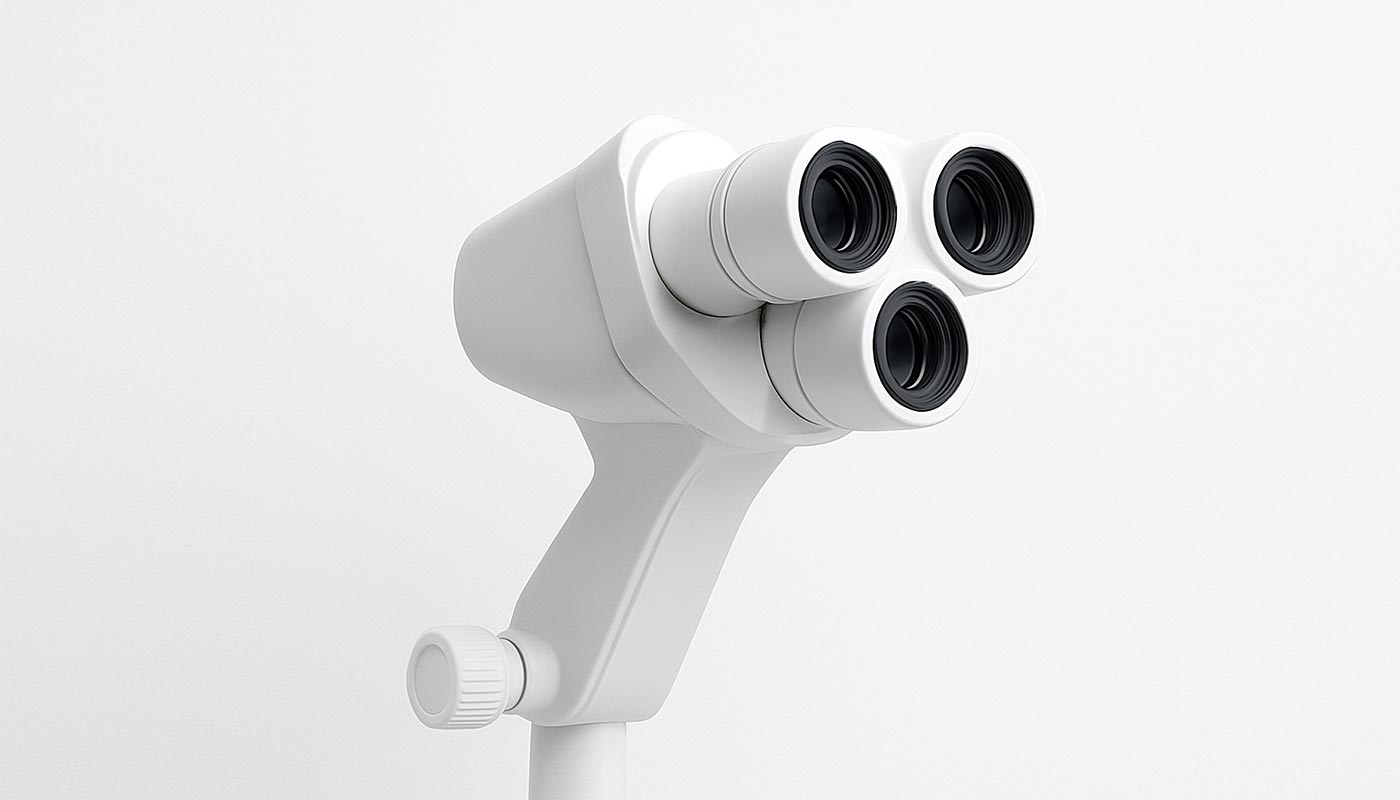

Colposcopy; Cervical Examination Method
Introduction
When a Pap smear result comes back abnormal or a doctor suspects changes in the cervix, many women feel worried. Colposcopy is one of the most reliable ways to evaluate these changes. Using a special magnifying device similar to a microscope, it enlarges the view of the cervix and helps pinpoint any problem areas. In this clear, step-by-step guide, we explain exactly what to expect.
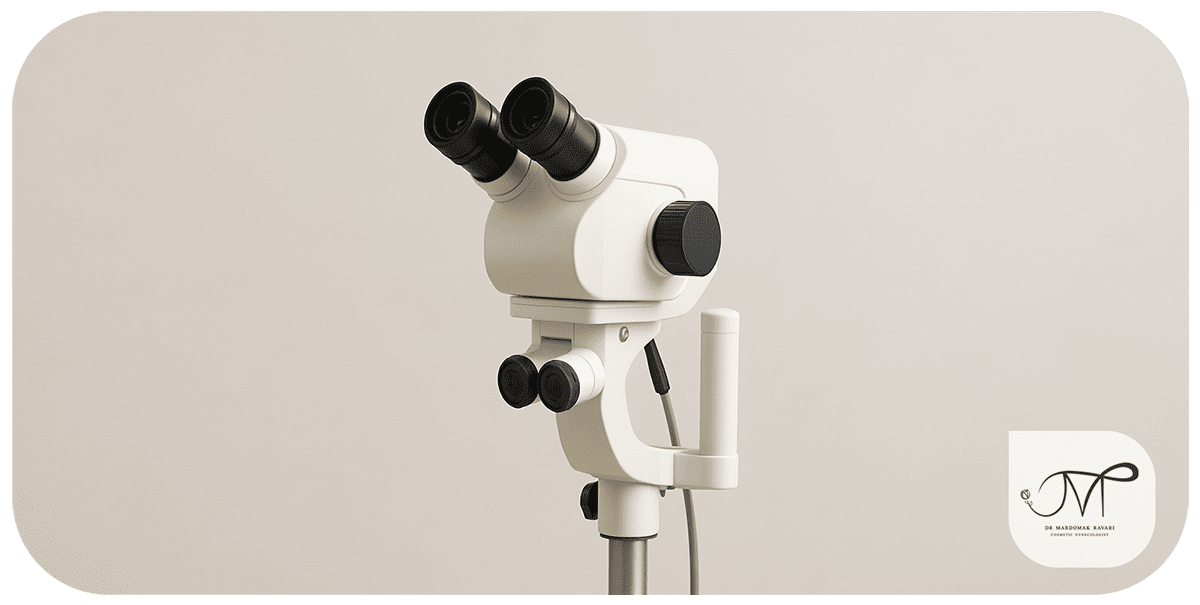
What is colposcopy?
Colposcopy is a diagnostic procedure performed with a device called a colposcope. Think of it as a powerful magnifier that lets the doctor closely examine the surface of the cervix, vagina, and sometimes the vulva. In simple terms, it is like taking a high-zoom photo of the cervix.
Why a colposcopy is recommended
Doctors order colposcopy when they need a more detailed look at the cervix, vagina, or vulva. Common reasons include:
1) Abnormal screening results (Pap smear or HPV)
This is the most frequent reason. If your report suggests “further evaluation,” colposcopy helps locate and grade the issue.
- High-risk HPV positive, especially types 16 or 18
- ASC-US with positive HPV
- LSIL or HSIL (mild to severe cell changes)
- ASC-H (suspicious for precancerous lesions)
- AGC (atypical glandular cells)
- Repeatedly abnormal or unclear Pap results
Simple note: if tests say “cells look abnormal,” colposcopy helps find exactly where and how significant the changes are.
2) Concerning daily symptoms
When the body sends signals, it is wise to look closer.
- Bleeding after intercourse
- Spotting between periods or unusually long/heavy periods
- Unusual discharge (heavy, foul-smelling, or unusual color)
- Pelvic pain or persistent burning/itching without a clear cause
- Postmenopausal bleeding (always requires careful evaluation)
3) Suspicious findings on exam
If something unusual is seen during a routine speculum exam:
- White or red patches, sores, bumps, or abnormal blood vessels
- Genital warts (HPV) on the cervix or vagina
- Scars or color changes that seem significant
4) Follow-up after treatment
To confirm healing and rule out recurrence:
- After treating CIN (precancerous changes) with LEEP or laser
- After cryotherapy or other ablative treatments
- When previous results were borderline or uncertain
5) Special risk factors
Some people benefit from closer surveillance:
- Weakened immune system (long-term steroids, transplant, HIV, etc.)
- Personal or family history of cervical precancer
- In-utero exposure to DES (rare and historical, but relevant in records)
6) During pregnancy (with caution)
- If a Pap is markedly abnormal or a suspicious lesion is seen, colposcopy can be done in pregnancy for visual assessment.
- Biopsy is performed cautiously and only if necessary.
- The goal is to rule out serious disease and plan timing for treatment.
Why colposcopy matters
- Precise mapping of problem areas: with special solutions (acetic acid or iodine), abnormal spots become easier to identify.
- Preventing disease progression: early detection of precancer means simpler, more effective treatment.
- Guiding the best treatment: colposcopy plus biopsy results determine the right next step.
Situations that usually do not require colposcopy alone
If not accompanied by other warning signs, these are generally not urgent by themselves. The final decision is your doctor’s.
- Uncomplicated yeast or bacterial vaginitis that resolves with treatment
- Normal physiologic discharge without odor or irritation
- Mild pre-period spotting that does not recur
If any of these coexist with high-risk HPV or an abnormal Pap, colposcopy becomes appropriate.
Best timing for colposcopy
– Outside of menstruation for better visibility; days 8 to 12 of the cycle are often ideal.
– If you are bleeding, it is often better to reschedule unless there is urgency.
Who is more likely to need colposcopy
- High-risk HPV positivity or a partner with HPV
- Smoking, which impairs cellular repair and raises risk
- Weakened immune system due to illness or medication
- Family history of cervical problems
Summary of indications
If your screening test is abnormal, symptoms are bothersome, or your doctor sees something suspicious, colposcopy is the best way to “zoom in” and decide what needs to be done. It is an outpatient, brief, low-hassle procedure that brings clarity and peace of mind.
Warning signs that may lead to colposcopy
- Bleeding after intercourse
- Foul-smelling or unusual discharge
- Pelvic pain
- Irregular periods or frequent spotting
How colposcopy is performed
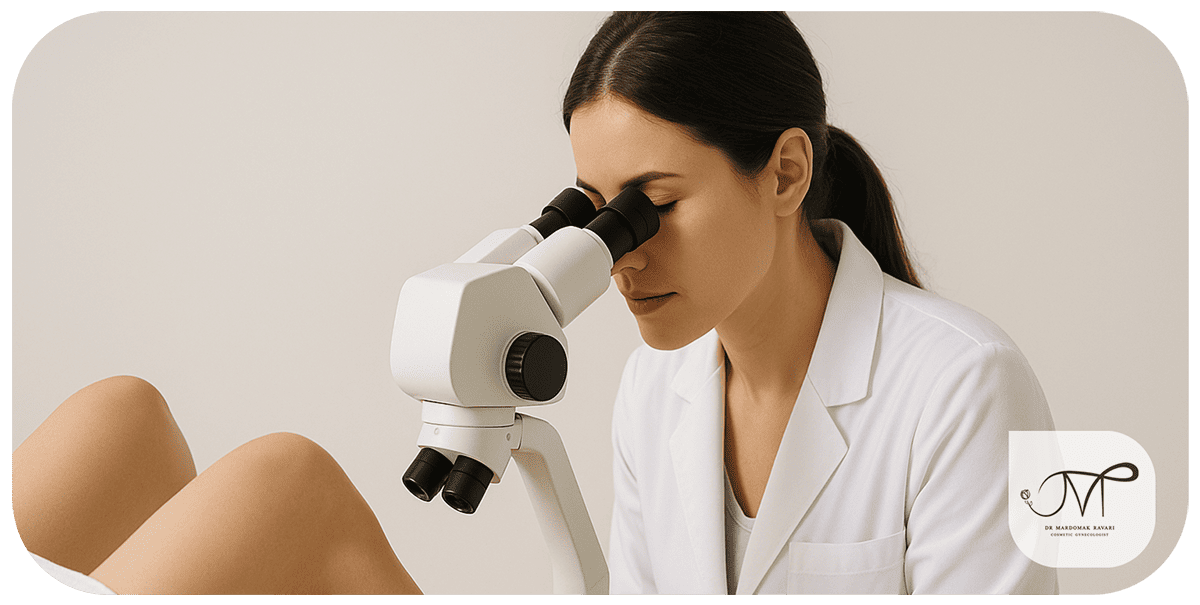
The process is straightforward:
- You lie on a gynecologic exam table, similar to a Pap test setup.
- The doctor places a speculum to visualize the cervix.
- The colposcope stays outside the body and magnifies the cervix.
- The cervix is gently swabbed with acetic acid or iodine to highlight abnormal areas.
- If suspicious areas are seen, a small biopsy may be taken.
Total time is usually 10 to 20 minutes.
Benefits and downsides
Benefits
- Accurate diagnosis of cervical problems
- Helps detect cancer or precancer early
- Outpatient procedure without general anesthesia
- Short, no hospital stay needed
Possible downsides
- Mild pressure or discomfort
- Light spotting or minor bleeding if a biopsy is taken
- Some women experience mild lower abdominal cramps afterward
Aftercare
- If a biopsy is taken, light spotting can last 2 to 3 days.
- Avoid tampons and douching for a few days.
- Avoid sexual intercourse for about one week or as advised.
- Call your doctor if bleeding is heavy or discharge becomes foul-smelling.
Patient experiences
Maryam, 34: “My abnormal Pap terrified me. The colposcopy was easy—just a little stinging. I felt reassured afterward.”
Zahra, 29: “Colposcopy helped us catch an HPV-related change early. I’m under treatment now and relieved we acted in time.”
Sara, 42: “I had a biopsy and only two days of spotting. It was worth it to confirm nothing serious was going on.”
Similar Articles

If your Pap smear was abnormal, to ensure the health of your cervix
Fill out the consultation form now and our assistant will contact you shortly.
 FAQ
FAQ
No comments have been posted.
Your email address will not be published. Required fields are marked *


