



Ovarian Cancer; Symptoms, Causes, Diagnosis, and Treatment
Introduction: Why ovarian cancer matters
Ovarian cancer is one of the most serious cancers in women. In its early stages, it often produces vague or no symptoms, which is why it is sometimes called the “silent killer.” It mostly affects women over 40 and, if not diagnosed early, can spread to other organs. Recognizing risk factors and subtle signs can play a crucial role in early detection and effective treatment.
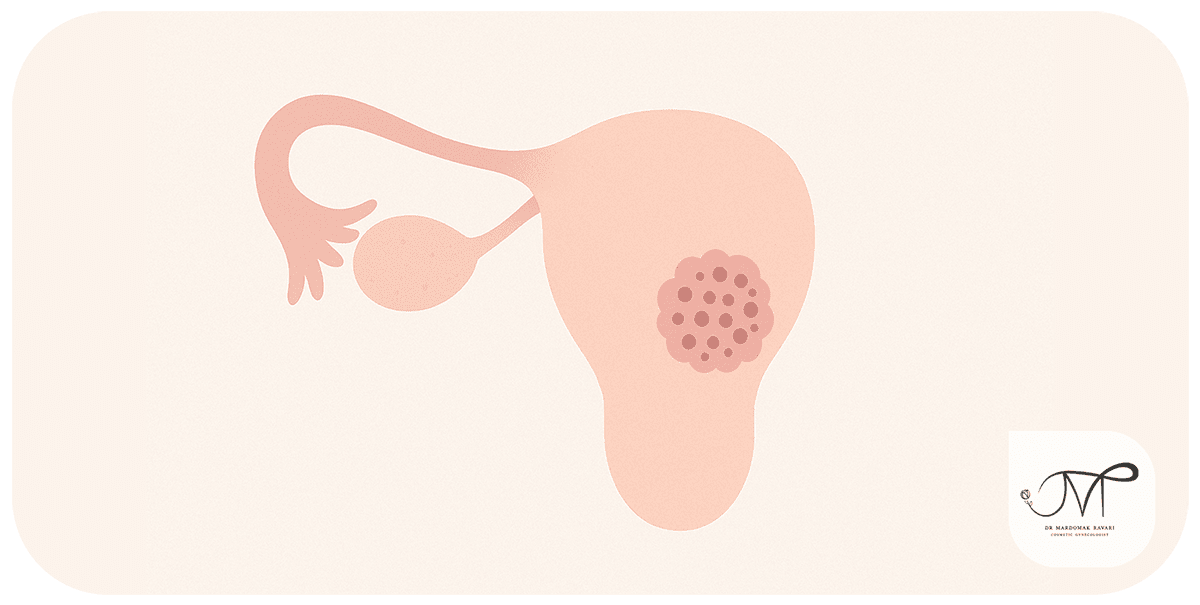
What is ovarian cancer
Ovarian cancer occurs when abnormal cells in the ovary begin to multiply uncontrollably and form a mass or tumor. These cancer cells may invade surrounding tissues and even spread to distant organs.
Main types include:
- Epithelial ovarian cancer: the most common type, starting from the outer layer of the ovary
- Germ cell tumors: less common, arising from egg-producing cells
- Stromal tumors: rare, developing from hormone-producing cells in the ovary
Symptoms of ovarian cancer

Early signs are often mistaken for digestive or menstrual issues. Key symptoms may include:
- Persistent bloating or abdominal swelling
- Constant pelvic or abdominal pain
- Changes in menstrual cycle or abnormal bleeding
- Feeling full quickly after eating small amounts
- Unexplained weight loss or gain
- Frequent urination or bladder pressure
- Constipation or ongoing digestive issues
- Unexplained fatigue or weakness
Causes and risk factors
While the exact cause is not fully understood, factors that increase risk include:
- Older age (especially after 45)
- Family history of ovarian or breast cancer
- Genetic mutations such as BRCA1 and BRCA2
- Never having been pregnant or long-standing infertility
- Early menstruation or late menopause
- Long-term use of hormone replacement therapy
- Obesity and sedentary lifestyle
How ovarian cancer is diagnosed

Diagnosis requires careful evaluation and tests:
- Medical history and pelvic examination
- Transvaginal ultrasound to detect masses or changes in ovaries
- Blood test for CA-125, a tumor marker
- MRI or CT scans to assess disease spread
- Biopsy for a definitive cancer diagnosis
Treatment options

Treatment depends on the stage, type, and patient’s condition.
-
Surgery
- Removal of the affected ovary
- In advanced cases: removal of uterus, fallopian tubes, and lymph nodes
Advantage: possible complete removal of the tumor
Limitation: major surgery with potential complications
-
Chemotherapy
- Strong medications used to kill cancer cells
- Often given after surgery or alongside it
Advantage: targets cancer cells throughout the body
Limitation: side effects such as hair loss, nausea, fatigue, reduced immunity
-
Targeted therapy and immunotherapy
- Drugs designed to attack cancer cells selectively (e.g., PARP inhibitors)
- Boosting the immune system to fight tumors
Advantage: higher precision and often fewer side effects than traditional chemotherapy
Consequences of untreated ovarian cancer
- Cancer spreading to liver, bowel, or lungs
- Severe, persistent pelvic pain
- Bowel obstruction and serious digestive issues
- Significant weight loss and frailty
- Life-threatening progression of disease
Prevention and self-care

Ovarian cancer cannot be completely prevented, but risk can be reduced by:
- Regular gynecological checkups, especially after menopause or with family history
- Maintaining a healthy weight and avoiding obesity
- Staying physically active for hormonal balance
- Pregnancy and breastfeeding, known to lower risk
- Oral contraceptive use (under medical advice), which may reduce risk
- Genetic testing for women with strong family history, helping guide preventive decisions such as surgery
- Healthy diet rich in fruits, vegetables, and whole grains, with lower intake of unhealthy fats
Clinical cases
- Case 1: A 52-year-old woman with bloating and abdominal pain initially thought it was a digestive issue. Ultrasound revealed a large ovarian mass. Surgery followed by chemotherapy was effective at an early stage.
- Case 2: A 45-year-old woman with family history of breast cancer had abnormal bleeding. Genetic testing confirmed BRCA1 mutation, and preventive surgery significantly lowered her ovarian cancer risk.
- Case 3: A 60-year-old woman with rapid weight loss and early satiety was diagnosed with advanced ovarian cancer. She underwent combined treatment with surgery and chemotherapy.
The Link Between Ovarian Cancer and Other Gynecologic Disorders
Some gynecologic conditions can indirectly influence the risk of ovarian cancer — either increasing or decreasing it. For example, women with uterine adhesions (Asherman’s syndrome) often experience recurrent miscarriages due to damage to the uterine lining.
Because these patients are frequently evaluated for infertility, ovarian issues may be detected earlier. On the other hand, in rare cases, chronic inflammation or hormonal imbalances following uterine surgeries can disrupt normal ovarian function and indirectly contribute to cellular changes.
Hormonal Changes and Menopause
Menopause and declining estrogen levels significantly affect ovarian health.
Women with premature ovarian failure experience menopausal hormonal changes earlier and may face metabolic issues or a slightly higher risk of certain cancers.
Recognizing symptoms such as hot flashes and other menopausal signs not only improves quality of life but also helps identify abnormal ovarian changes during postmenopause.
Regular checkups and attention to hormonal symptoms in middle-aged women play a vital role in the **prevention and early detection of ovarian cancer**.
Conclusion
Ovarian cancer is a serious disease that often shows no symptoms in its early stages, making diagnosis difficult.
Paying attention to subtle warning signs, scheduling regular gynecologic exams, and consulting a specialist — especially for high-risk women — can save lives.
Modern treatments, including **targeted therapies**, have brought new hope to patients and significantly improved outcomes.
Similar Articles

Never postpone your health checkups!
Fill out the consultation form now and our assistant will contact you shortly.
 FAQ
FAQ
No comments have been posted.
Your email address will not be published. Required fields are marked *


