

Polycystic Ovary Syndrome (PCOS) | Causes, Symptoms, and Treatment
Introduction: Why PCOS matters
Polycystic ovary syndrome (PCOS) is one of the most common hormonal disorders of reproductive age, affecting about 8–13% of women. PCOS is not just an “ovulation problem.” It is a cluster of hormonal and metabolic changes that can affect menstrual cycles, skin and hair, fertility, weight, blood sugar, and even heart health.
Many patients struggle for years with fatigue, stubborn acne, excess hair, or irregular periods, and diagnosis is sometimes delayed. This guide offers a clear, accurate, and accessible overview of PCOS and how to manage it.
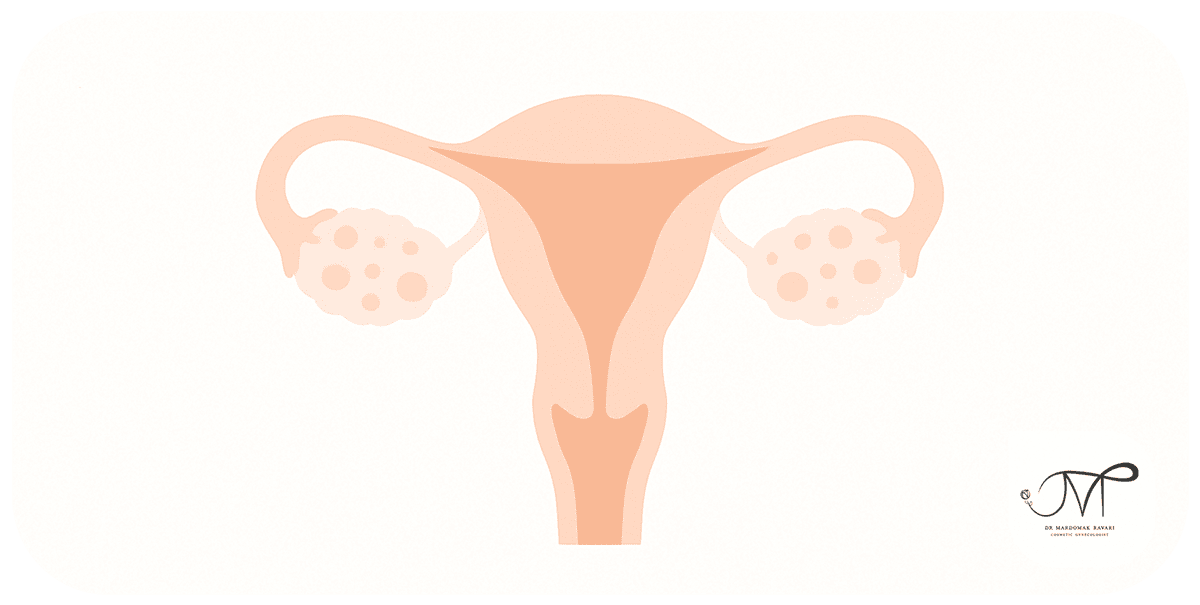
There is a direct relationship between Polycystic Ovary Syndrome (PCOS) and oligomenorrhea, which refers to prolonged intervals between menstrual periods. In fact, one of the most common signs of PCOS is irregular menstruation. In this syndrome, the ovaries do not ovulate properly; instead of releasing eggs, multiple follicles accumulate on the surface of the ovaries. This leads to an increase in male hormones (androgens) and a disruption in the normal female hormonal balance.
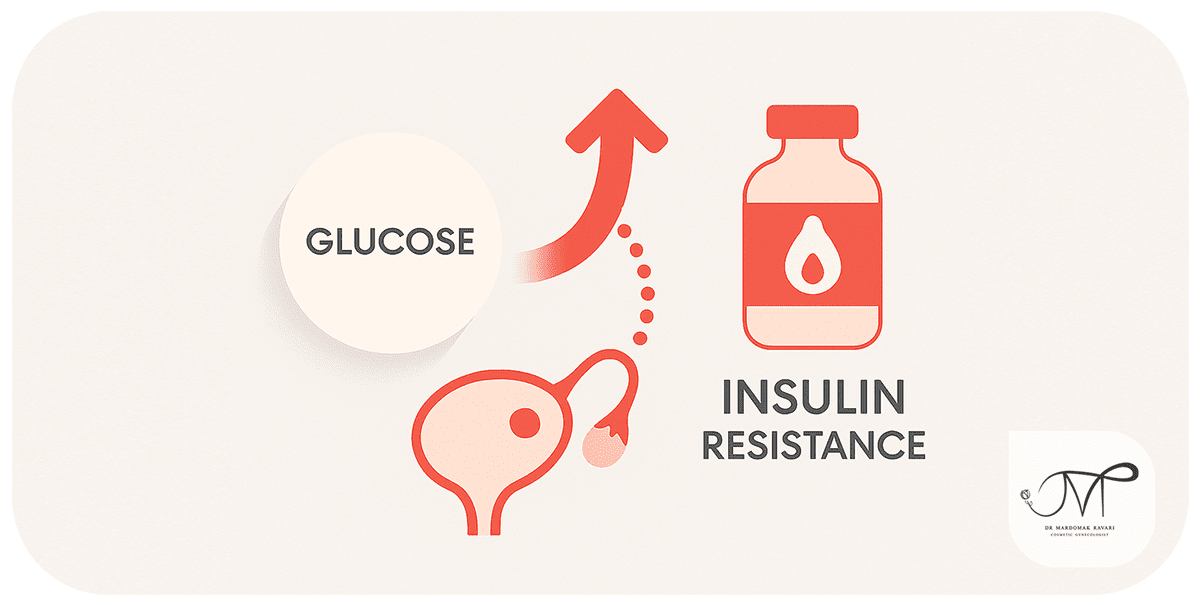
In PCOS, hormone balance is disrupted. Androgens (male-type hormones) are relatively high, ovulation becomes infrequent or absent, and the body’s response to insulin is reduced (insulin resistance). As a result, small ovarian follicles do not mature, cycles become irregular, and symptoms such as excess hair, acne, and weight gain may appear. Insulin resistance also increases the risks of type 2 diabetes and non-alcoholic fatty liver disease.
Common symptoms and signs to take seriously
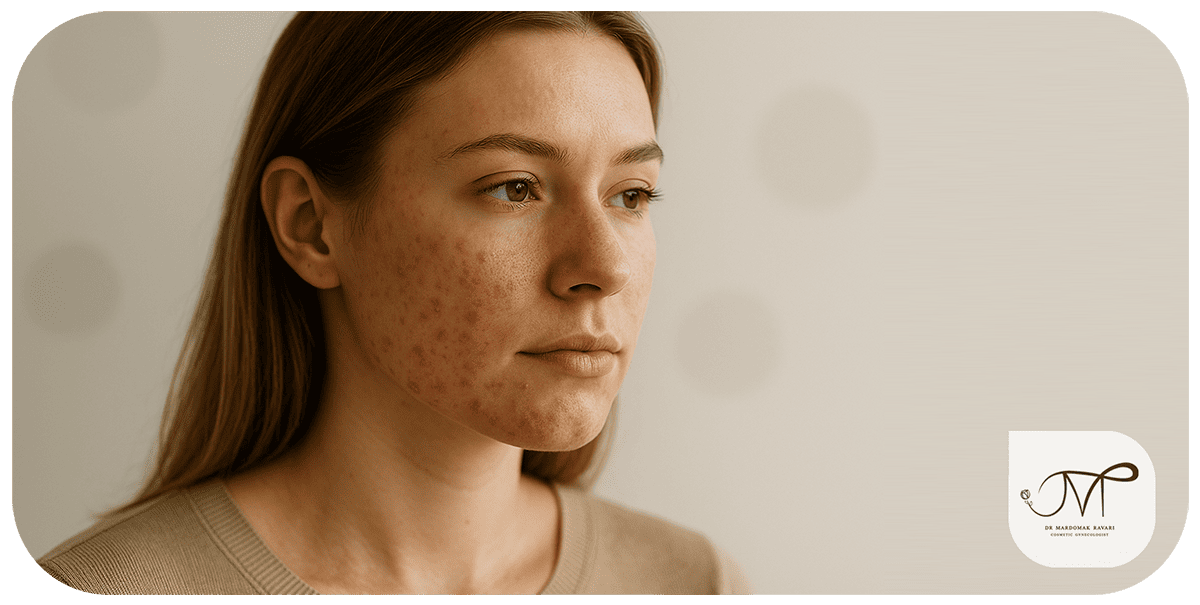
- Irregular or absent periods: long cycles, fewer than 9 periods per year, or amenorrhea
- Hirsutism: excess hair on the face, chin, chest, abdomen, or back
- Acne, oily skin, and sometimes male-pattern hair thinning on the scalp
- Weight gain or central obesity and difficulty losing weight
- Fertility problems due to irregular or absent ovulation
- Metabolic clues: post-meal fatigue after high-carb foods, sugar cravings, velvety skin darkening on the neck/armpits (acanthosis nigricans)
Note: Symptom intensity does not always reflect disease severity. People with normal weight can have PCOS and, conversely, some with overweight may have mild disease.
Diagnostic criteria: how we confirm PCOS
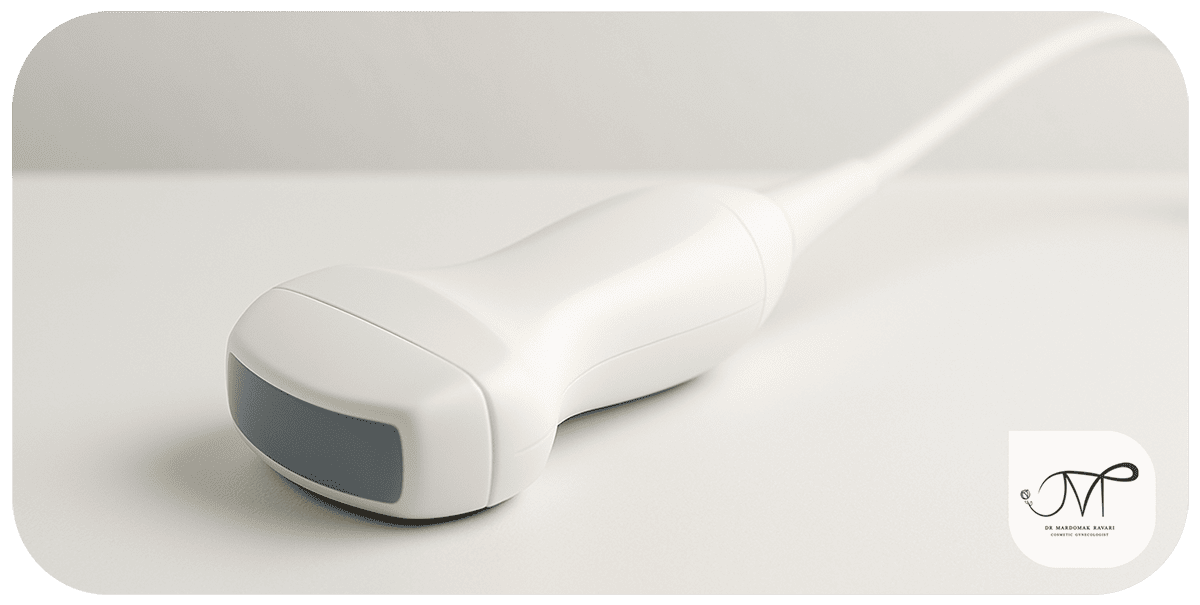
Rotterdam criteria
Diagnosis is usually made when any two of the following three are present (after excluding other causes):
- Ovulatory dysfunction: oligomenorrhea or amenorrhea
- Hyperandrogenism: clinical (hirsutism/acne/hair loss) or biochemical (elevated androgens)
- Polycystic ovarian morphology on ultrasound: multiple small follicles and/or increased ovarian volume
Additional tests and assessments
- Hormones: total/free testosterone, DHEA-S, LH, FSH, prolactin, TSH; in selected cases 17-hydroxyprogesterone to exclude 21-hydroxylase deficiency
- Metabolic profile: fasting glucose, HbA1c, lipid panel, blood pressure, BMI and waist circumference
- Rule out mimics: thyroid disorders, hyperprolactinemia, Cushing syndrome, or androgen-secreting tumors
Reminder: “Cysts” on ultrasound alone do not equal PCOS; findings must match clinical features and labs.
Key differentials to distinguish from PCOS
- Hypothyroidism: cycle irregularity and weight gain, but a different hormone pattern
- Hyperprolactinemia: milk discharge and amenorrhea without marked hyperandrogenism
- Endometriosis: cyclic pelvic pain and infertility but no androgen excess signs
- Nonclassic congenital adrenal hyperplasia: elevated 17-hydroxyprogesterone
Long-term risks and complications
- Metabolic: insulin resistance, type 2 diabetes, NAFLD, dyslipidemia
- Cardiovascular: higher rates of hypertension and later cardiovascular disease
- Reproductive and gynecologic: infertility, recurrent miscarriage in some, and increased risk of endometrial hyperplasia/cancer due to prolonged anovulatory cycles
- Psychosocial: depression, anxiety, reduced self-esteem, and body-image challenges
Treatment and management: tailored to your goals
There is no one-size-fits-all plan. Strategies depend on the patient’s priorities: symptom control, endometrial protection, metabolic health, or achieving pregnancy.
If pregnancy is not currently desired
- Cycle regulation and endometrial protection: combined hormonal contraceptives or periodic progestin (for example every 1–3 months) to prevent unopposed endometrial growth
- Androgen-related symptoms: combined pills plus, if needed, spironolactone (with reliable contraception); add dermatologic care and hair-reduction lasers as adjuncts
- Metabolic improvement: metformin for insulin resistance/dysglycemia; nutrition changes and physical activity are foundational
If pregnancy is the main goal
- Lifestyle first: 5–10% weight loss can restore ovulation
- Ovulation induction: letrozole is first-line in many guidelines; clomiphene citrate is an alternative. In resistant cases, add metformin or consider IUI/IVF
- Monitoring: ultrasound tracking of follicles and avoidance of overstimulation
Note: Decisions should be shared and personalized. The patient’s goals, lifestyle, and concerns guide the plan.
Lifestyle: the backbone of durable care
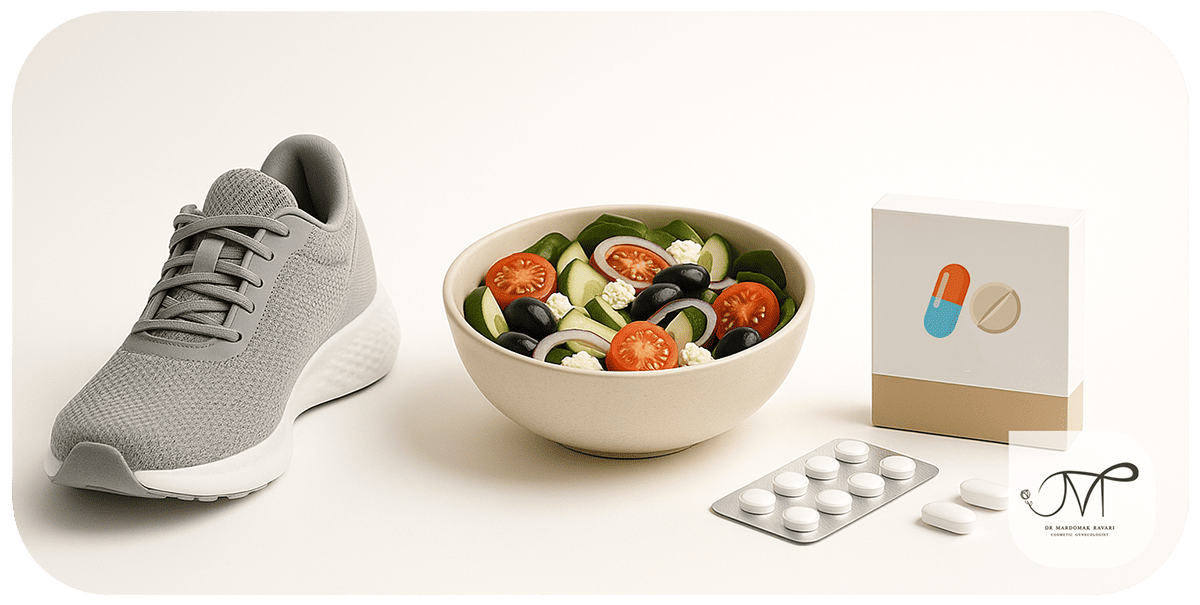
Nutrition
- Low-glycemic, Mediterranean-leaning pattern: vegetables, legumes, whole grains, adequate protein, nuts, olive oil
- Cut sugary drinks and refined carbs; include protein at each meal to enhance satiety
- Replete vitamin D and iron if deficient under medical guidance
Physical activity
At least 150 minutes per week of moderate aerobic exercise plus 2 sessions of resistance training; resistance work meaningfully improves insulin sensitivity
Sleep and stress
- Aim for 7–8 hours of regular sleep; assess for sleep apnea if snoring or daytime sleepiness
- Stress management via meditation, yoga, breathing exercises; seek family and peer support
Recommended monitoring
- Glucose and HbA1c: yearly, or sooner with excess weight/family history
- Lipid panel: every 2–3 years or as advised
- Blood pressure and weight/waist: at every visit
- Bleeding pattern and endometrial protection: if cycles occur less often than every 3 months, use cyclic progestin or a protective hormonal method
- Mental health: screen for depression/anxiety and refer when needed
Brief clinical vignettes
Case 1: A 26-year-old with acne and irregular cycles achieved 8% weight loss on a lower-sugar diet plus metformin; cycles normalized and acne improved
Case 2: A 32-year-old with infertility began letrozole after 3 months of lifestyle changes and conceived in the third cycle
Case 3: A 38-year-old with very infrequent menses used periodic progestin to protect the endometrium while starting a weight-loss program
Summary
In many women with Polycystic Ovary Syndrome (PCOS), menstrual irregularities appear in different forms — from oligomenorrhea (long cycles) and polymenorrhea (frequent periods) to menorrhagia (heavy bleeding) or dysmenorrhea (painful menstruation).
These irregularities are mainly caused by ovulatory dysfunction and hormonal imbalance. In some cases, such irregularities may be mistaken for other uterine disorders such as fibroids, adenomyosis, or endometrial polyps, since all of them can cause abnormal bleeding or pelvic pain. Accurate diagnosis requires a combination of hormonal tests and ultrasound imaging to differentiate PCOS from other uterine and ovarian conditions.
PCOS is also closely linked with other gynecological disorders such as endometriosis, ovarian cysts, and even premenstrual syndrome (PMS). Some women with PCOS experience symptoms similar to endometriosis — like chronic pelvic pain or heaviness during menstruation — though the underlying mechanisms differ. Likewise, ovarian cysts or hormonal fluctuations in PCOS can affect mood, energy, and PMS symptoms.
Recognizing these overlaps helps women understand that pain or cycle irregularities should not be dismissed as “normal.” Seeking timely medical evaluation and proper treatment is essential for effective management.
PCOS is not merely “small ovarian cysts”; it is a multidimensional syndrome that affects hormones, metabolism, and overall quality of life. Fortunately, with early diagnosis, open communication between patient and physician, lifestyle adjustments, and targeted therapy, it is possible to regulate menstrual cycles, improve skin and hair symptoms, prevent metabolic complications, and enhance fertility. Consistent and realistic care is the key to successfully managing this condition.
References

Cycles irregular? Start tracking!
Fill out the consultation form now and our assistant will contact you shortly.
 FAQ
FAQ
No comments have been posted.
Your email address will not be published. Required fields are marked *


