



Premenstrual Syndrome (PMS): Causes, Symptoms, and Management Strategies
Introduction
Premenstrual syndrome (PMS) is a cluster of physical, emotional, and behavioral symptoms that appear in the luteal phase of the menstrual cycle (about one to two weeks before bleeding starts) and usually ease once the period begins. Studies suggest up to 75% of women of reproductive age experience at least one Premenstrual Syndrome (PMS), and in 20–40% the symptoms are strong enough to affect daily life and wellbeing. This guide explains how PMS happens, the types and severity of symptoms, how it’s diagnosed, treatment options, and prevention strategies—simply and clearly.
Types and Severity of Premenstrual Syndrome (PMS)
PMS is generally divided by severity:
Mild to Moderate Premenstrual Syndrome (PMS)
- Symptoms like bloating, breast tenderness, appetite changes, and fatigue that don’t significantly disrupt daily routines.
- Often improves with lifestyle changes.
Premenstrual Dysphoric Disorder (PMDD)
- A severe form of PMS with at least five symptoms, mainly psychological (depression, anxiety, irritability), plus at least one physical symptom.
- Affects about 3–8% of women and usually needs medical and psychological treatment.
Common Premenstrual Syndrome (PMS) Symptoms
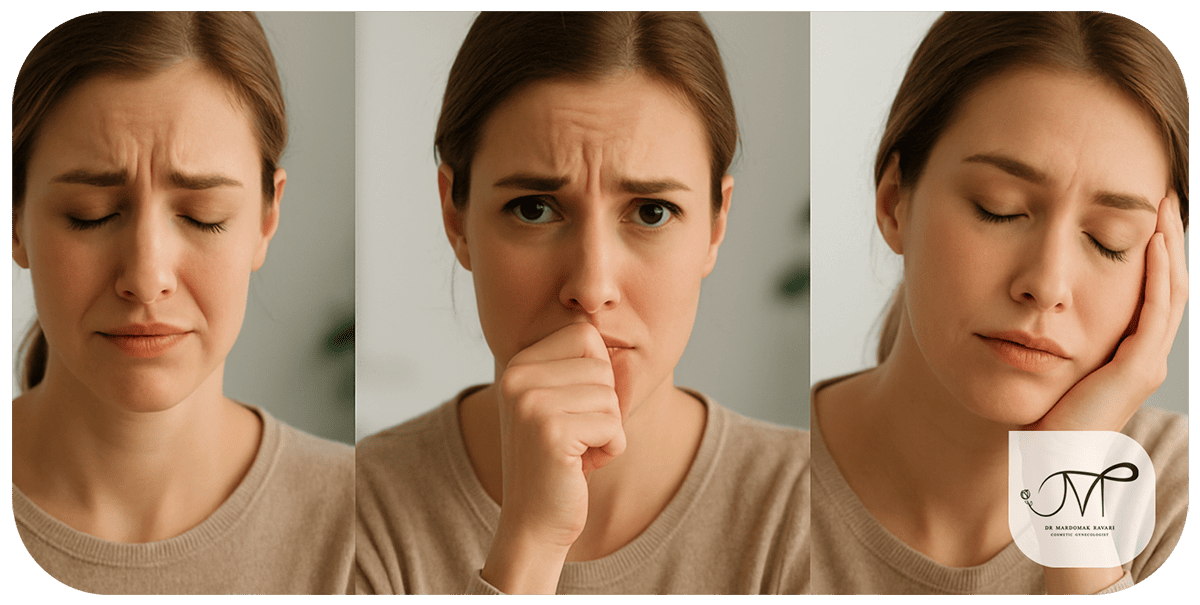
Premenstrual Syndrome (PMS) includes a mix of physical and emotional symptoms that vary from person to person.
Physical
- Bloating and fluid retention: more sodium and water held in the body, causing swelling in the abdomen and hands.
- Breast pain and tenderness: due to estrogen and progesterone fluctuations.
- Headaches or migraines: triggered by hormonal shifts and inflammatory mediators.
- Fatigue and low energy: linked to blood sugar dips and neurotransmitter changes.
- Poor concentration: related to serotonin and cortisol ups and downs.
Emotional & Behavioral
- Mood swings and irritability: changes in GABA and serotonin activity.
- Depression and anxiety: lower serotonin and luteal-phase estrogen changes.
- Sleep problems: insomnia or excessive sleepiness.
- Appetite changes: cravings for carbs and sweets.
- Lower libido: driven by hormonal fluctuations.
Symptoms usually start 5–10 days before the period and settle 1–2 days after bleeding begins.
Why Premenstrual Syndrome (PMS) Happens (The “Why” Behind the Symptoms)
Several factors come together to trigger Premenstrual Syndrome (PMS):
1) Hormonal shifts: Estrogen and progesterone rise and fall in the luteal phase. These natural swings can temporarily affect body systems—think bloating or breast sensitivity.
2) Brain chemistry: Hormones influence neurotransmitters like serotonin. When these messengers dip or spike, mood and appetite can change.
3) Fluid retention: Higher aldosterone levels can make the body hold on to water, leading to swelling and bloating.
4) Stress and lifestyle: Poor sleep, high stress, or certain nutrient deficiencies can make symptoms worse.
5) Genetic and environmental factors: Family history, chronic stress, and low levels of nutrients like magnesium, vitamin D, and B6—as well as disrupted sleep patterns—can all play a role.
Diagnosis and Assessment
PMS/PMDD is diagnosed clinically, mainly by tracking symptoms:
Daily symptom tracking (DRSP)
- Use the Daily Record of Severity of Problems for 2–3 cycles to log symptom severity and timing.
DSM-5 criteria for PMDD
- At least five symptoms, including at least one core mood symptom (e.g., depression, anxiety, marked irritability).
Clinical evaluation and medical history
- Rule out thyroid disease, anemia, liver issues, and other medical conditions.
Lab tests when needed
- TSH, CBC, vitamin D, and magnesium levels.
Management and Treatment

Lifestyle and Self-Care
- Anti-inflammatory diet: more omega-3s, fruits, and vegetables; less caffeine and sugar.
- Regular exercise: at least 150 minutes of aerobic activity per week.
- Stress management: meditation, yoga, and deep-breathing exercises.
- Sleep hygiene: consistent sleep schedule; avoid screens before bedtime.
Supplements and Medications
- Magnesium (200–400 mg): may reduce bloating and irritability.
- Vitamin B6 (50–100 mg): can help mood and food cravings.
- SSRIs (e.g., fluoxetine, sertraline): taken daily or only in the luteal phase for PMDD.
- NSAIDs: for muscle aches and headaches.
- Combined oral contraceptives: help stabilize hormone levels.
Specialized Treatments
- Cognitive Behavioral Therapy (CBT): a structured therapy that helps identify and change unhelpful thoughts and behaviors linked to PMS. Sessions typically include:
– Spotting negative thought patterns and challenging them.
– Coping skills training: relaxation, diaphragmatic breathing, and mindfulness.
– Behavioral activation: scheduling enjoyable activities and improving routines to lower stress and boost social support.
– Home practice: weekly exercises to lock in change.
Evidence suggests CBT can reduce premenstrual depression, anxiety, and mood swings by roughly 50–60%, often noticeable after 6–8 sessions.
- Levonorgestrel-releasing intrauterine system (LNG-IUS): a small device placed in the uterus that slowly releases levonorgestrel. By raising local progesterone and thinning the uterine lining, it may blunt hormone swings and ease Premenstrual Syndrome (PMS). Benefits usually begin after 8–12 weeks and can last up to five years.
- “Temporary menopause” medications: drugs that lower ovarian hormone production (creating a reversible, menopause-like state). They can reduce severe PMS/PMDD symptoms and are typically used for 3–6 months when other methods haven’t helped.
Related Conditions

- PMDD: the severe end of the spectrum.
- Anxiety and depressive disorders: may overlap and need careful evaluation.
- Hormonal migraine: severe headaches tied to estrogen fluctuations.
Clinical Case Examples
- Case 1: A 27-year-old with moderate bloating and irritability saw about a 40% reduction in physical symptoms after magnesium and diet changes.
- Case 2: A 32-year-old with PMDD reported a 60% improvement in depression and anxiety using luteal-phase sertraline plus CBT sessions.
Prevention and Follow-Up
-
- Track symptoms regularly with an app or diary.
- Follow up with a clinician every 3–6 months.
- Periodic nutrition and hormone checks as needed.
- Combine approaches—medication, supplements, and psychological support—for best results.
Conclusion
PMS spans a wide range of physical and emotional symptoms and responds best to a multi-pronged plan. Smart lifestyle tweaks, evidence-based supplements, NSAIDs or SSRIs when needed, and CBT can make a big difference. For severe symptoms (PMDD), specialized care is essential. Talk with a gynecologist or mental health professional to tailor a plan that fits you.
References
- (2023). Premenstrual Syndrome: Clinical features and management.
- (2018). Practice Bulletin No. 110: Management of Premenstrual Syndrome.
- American Psychiatric Association. (2013). Diagnostic and Statistical Manual of Mental Disorders (DSM-5)

Do your mood and energy crash before your period? The solution is here.
Fill out the consultation form now and our assistant will contact you shortly.
 FAQ
FAQ
No comments have been posted.
Your email address will not be published. Required fields are marked *


