


Endometriosis | Symptoms, Causes, and Treatment of Endometriosis and Chocolate Cysts
Introduction – What Is Endometriosis and Why Is It Important?
Endometriosis is a common but often underdiagnosed condition in women of reproductive age. In this disease, tissue similar to the uterine lining (endometrium) grows abnormally outside the uterus. It can develop in the ovaries, fallopian tubes, bladder, intestines, and, in rare cases, even in the diaphragm or lungs.
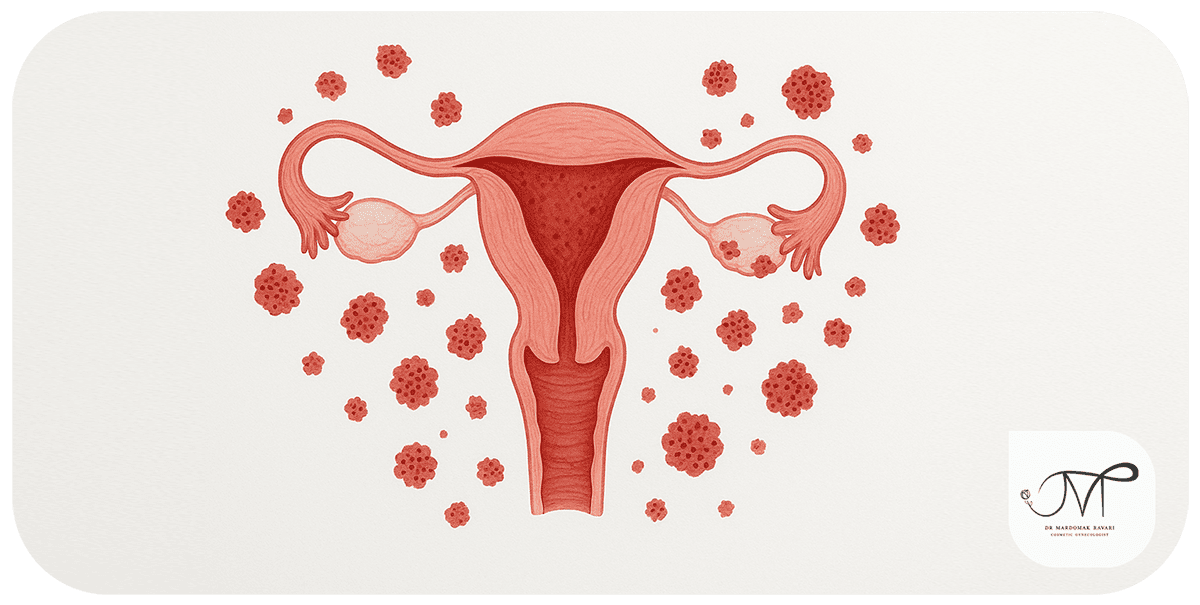
This misplaced tissue responds to monthly hormonal cycles just like the normal endometrium. During menstruation, it bleeds but has no outlet, leading to internal bleeding, inflammation, adhesions between organs, severe pain, and, in some cases, infertility.
Endometriosis is benign but chronic, affecting women’s personal, social, marital, and professional life. Awareness and early diagnosis play a vital role in managing symptoms and preventing complications.
Possible Causes of Endometriosis
- The exact cause remains uncertain, but several theories exist:
- Retrograde menstruation: menstrual blood flows backward through the fallopian tubes into the pelvic cavity.
- Cellular transformation: certain body cells may turn into endometrial-like cells under specific conditions.
- Immune system dysfunction: reduced ability to clear misplaced endometrial cells.
- Blood or lymphatic spread: cells may travel through circulation to distant areas.
Common Symptoms of Endometriosis
Symptoms vary depending on location and severity, but the most common include:
- Severe menstrual cramps (dysmenorrhea).
- Chronic pelvic pain, even outside menstruation.
- Painful intercourse (dyspareunia).
- Pain during urination or bowel movements, especially during periods.
- Long, irregular, or heavy menstrual bleeding.
- Spotting or bleeding between periods.
- Chronic fatigue, bloating, constipation, or cyclic diarrhea.
- Infertility or difficulty conceiving.
Some women experience only mild symptoms, while others may have advanced endometriosis with no symptoms at all, making diagnosis challenging.
Common Sites of Endometriosis
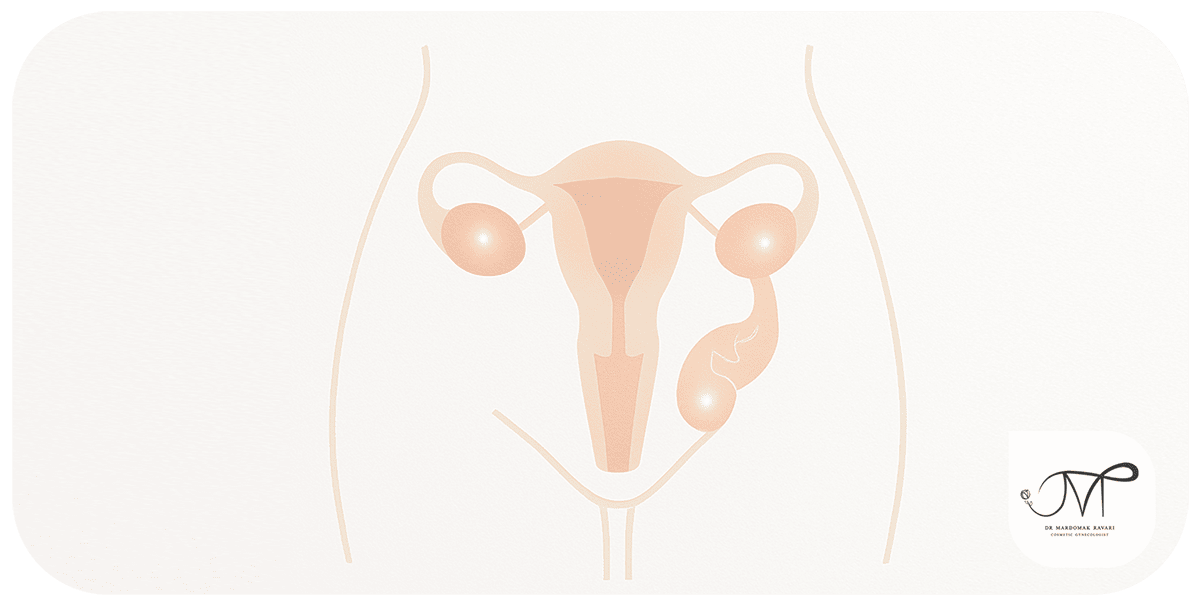
Endometriosis is most often found in the pelvic cavity, including:
- On or inside the ovaries (causing chocolate cysts).
- On the pelvic lining (peritoneum).
- Between the uterus and rectum (Douglas pouch).
- On the bowel or bladder.
- Around the fallopian tubes.
- Rarely, it can spread to the diaphragm, liver, or even lungs.
What Are Chocolate Cysts?
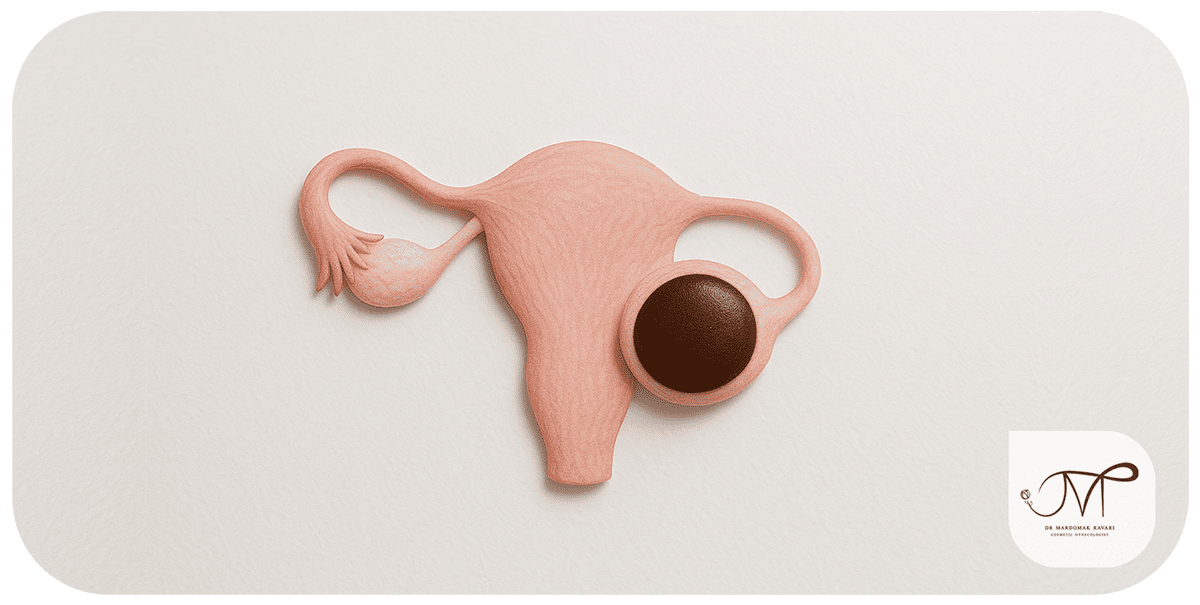
Chocolate cysts are ovarian cysts formed when endometriotic tissue grows within the ovaries. They contain old menstrual blood, giving them a dark brown color. These cysts can cause severe pain, interfere with ovulation, and reduce fertility, often requiring treatment.
Diagnosis of Endometriosis
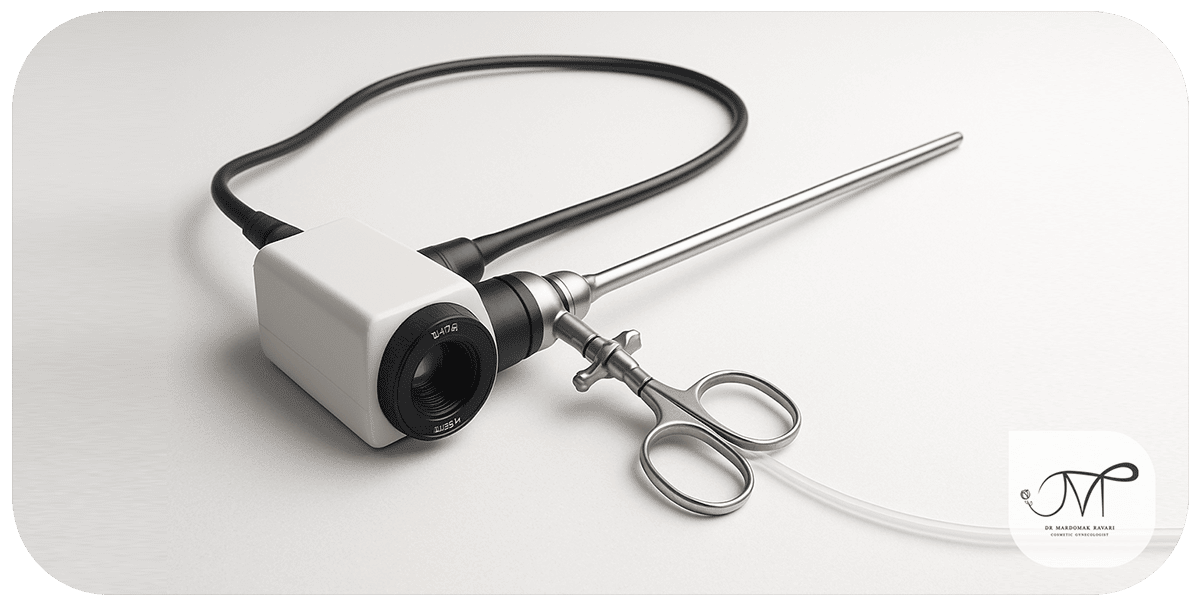
Definitive diagnosis requires medical evaluation, which may include:
- Pelvic exam: to detect masses, tenderness, or adhesions.
- Ultrasound (transvaginal or abdominal): to check for cysts or abnormalities.
- MRI: provides detailed imaging of affected areas.
- Laparoscopy: minimally invasive surgery allowing direct visualization inside the pelvis. It is the most accurate diagnostic method and allows biopsy.
Treatment of Endometriosis
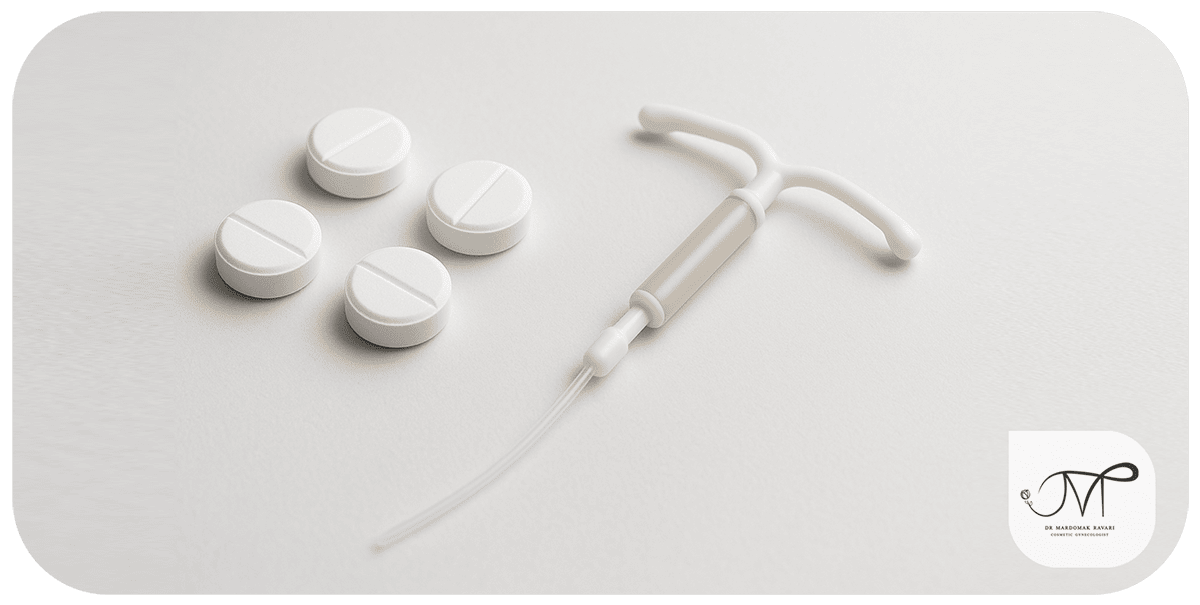
Treatment choice depends on symptom severity, disease location, age, and fertility goals.
Medical treatments:
- NSAIDs (e.g., ibuprofen) for pain relief.
- Combined oral contraceptives or progestin-only pills.
- Hormonal IUDs (levonorgestrel).
- GnRH agonists to lower estrogen and temporarily suppress ovarian function.
Surgical treatments:
- Laparoscopic excision: removal of endometriotic lesions, cysts, and adhesions.
- Hysterectomy (removal of uterus), with or without ovaries, in severe, treatment-resistant cases.
For many patients, a combination of medication and surgery offers the best outcome.
Lifestyle and Supportive Care
Practical changes that can help improve quality of life include:
- Anti-inflammatory diet: rich in vegetables, fruits, and fish, while avoiding processed sugar and junk food.
- Regular exercise suited to ability.
- Stress reduction through meditation, yoga, or deep breathing.
- Adequate, regular sleep.
- Use of heating pads during periods for pain relief.
- Psychological support and counseling if needed.
Summary
Endometriosis is often mistaken for other uterine disorders such as adenomyosis, uterine fibroids, and endometrial polyps, since all of them can cause heavy menstrual bleeding and pelvic pain. The difference lies in the location of the abnormal tissue: in endometriosis, uterine tissue grows outside the uterus; in adenomyosis, it infiltrates the uterine muscle, causing thickening of the wall. Fibroids and endometrial polyps, on the other hand, usually appear as masses or protrusions inside or on the surface of the uterus and can often be identified through ultrasound. Understanding these distinctions helps ensure accurate diagnosis and more effective treatment choices.
One of the most concerning consequences of endometriosis is female infertility and related uterine disorders. Adhesions caused by the growth of tissue outside the uterus can block the fallopian tubes or interfere with ovulation. Additionally, chronic inflammation of the uterus and ovaries can prevent proper embryo implantation. Early diagnosis and effective treatment—either medical or surgical—can significantly improve fertility outcomes. Therefore, women experiencing chronic pelvic pain, heavy or prolonged menstruation, or difficulty conceiving should consult a gynecologist for a precise evaluation to differentiate endometriosis from other uterine conditions.
Endometriosis is a chronic and complex disease that can affect many aspects of a woman’s life. Timely diagnosis, appropriate treatment, and lifestyle adjustments play a crucial role in controlling symptoms and preventing complications. Any unusual pelvic pain or menstrual irregularity should be taken seriously and evaluated by a specialist.
References

Severe menstrual cramps? Take the cause seriously!
Fill out the consultation form now and our assistant will contact you shortly.
 FAQ
FAQ
No comments have been posted.
Your email address will not be published. Required fields are marked *


