



Cervical Cancer; Symptoms, Causes, Diagnosis, and Treatment
Introduction
Cervical cancer is a common gynecologic cancer that typically appears in midlife, though it can occur at any age. The disease is most often driven by persistent infection with human papillomavirus (HPV). While the word “cancer” can be frightening, cervical cancer is one of the few cancers with strong opportunities for prevention and early detection.
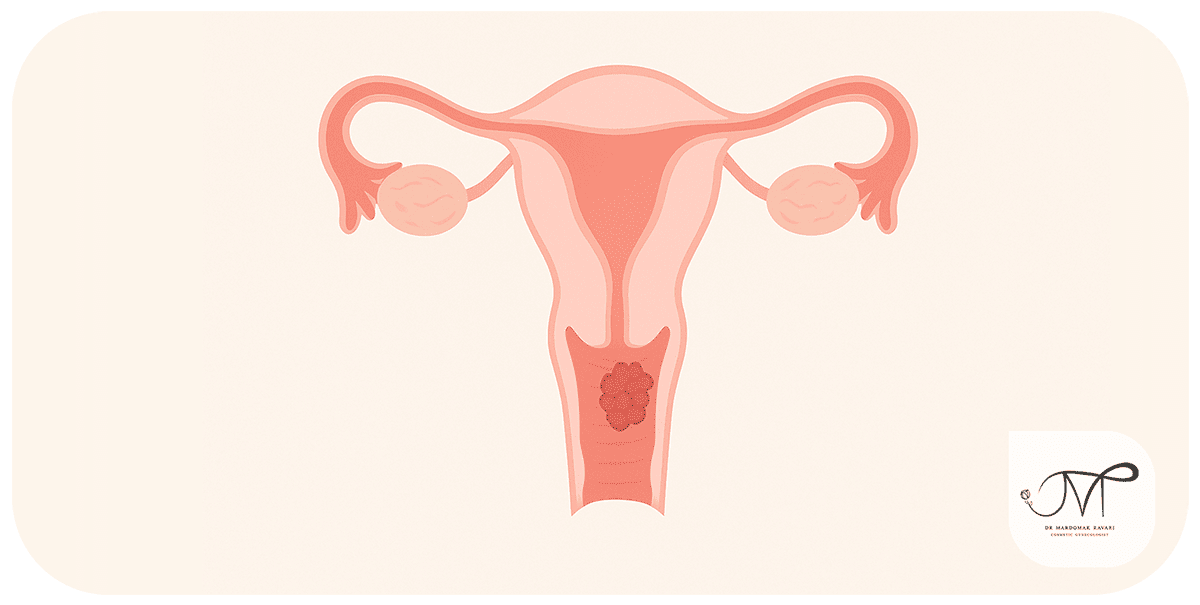
Regular screening with Pap smears and HPV testing, alongside HPV vaccination, markedly increases the chances of prevention and successful treatment.
Symptoms of cervical cancer
Early cervical cancer may have no symptoms, which makes screening essential. As the disease progresses, symptoms can include:
- Abnormal vaginal bleeding (between periods, after intercourse, or post-menopause)
- Unusual vaginal discharge (sometimes with an unpleasant odor)
- Pelvic or back pain
- Pain and bleeding with intercourse
- In advanced stages: unexplained weight loss, severe fatigue, and leg swelling

Causes and risk factors
-
Human papillomavirus (HPV)
The leading cause of cervical cancer is infection with HPV, a sexually transmitted virus. In most cases, the body clears the virus naturally. When infection persists, it can trigger cellular changes that may lead to cancer.
- High-risk HPV types 16 and 18 account for the majority of cases.
- HPV vaccination can dramatically reduce the risk.
-
Lifestyle and environmental factors
- Smoking: tobacco chemicals weaken immune defenses and promote progression of abnormal cells.
- Poor diet: low intake of fresh fruits and vegetables, especially vitamins A and C, may raise risk.
- Chronic stress and weak immunity: reduce the body’s ability to control HPV and abnormal cells.
-
Hormonal and reproductive factors
- Multiple full-term vaginal deliveries are associated with higher risk.
- Long-term use of combined oral contraceptives (longer than 5 years) is linked to increased risk of cellular changes.
-
Medical and social factors
- Lack of screening (Pap smear and HPV test): without regular screening, precancerous changes may go unnoticed.
- Immunosuppression (such as HIV): makes it harder to control HPV infection.
- Early age at first sexual activity: increases cumulative exposure time to HPV.
- Multiple sexual partners or a high-risk partner: increases the chance of HPV transmission.
-
Genetic and familial factors
- A family history of cervical cancer may confer higher risk, though genetics play a smaller role than viral and environmental factors.
Diagnosis
Clinicians typically use several steps:
- Pap smear: evaluates cervical cells for precancerous changes.
- HPV test: detects the presence of high-risk HPV in cervical cells.
- Colposcopy: magnified examination of the cervix for targeted assessment.
- Biopsy: sampling of suspicious tissue to confirm the diagnosis.
Treatment options

Therapy depends on stage, age, and overall health.
-
Early-stage disease
- Surgery (conization or hysterectomy): very early lesions may be removed by excising a small cone of cervical tissue; in more extensive cases, hysterectomy may be advised.
- Laser therapy or cryotherapy: used for high-grade precancerous lesions (CIN).
-
Advanced disease
- Definitive surgery: removal of the uterus, part of the upper vagina, and pelvic lymph nodes as indicated.
- Radiation therapy: destroys cancer cells and helps prevent recurrence.
- Chemotherapy: often combined with radiation or used for advanced disease.
- Targeted therapy and immunotherapy: agents that enhance immune attack on cancer or target specific tumor pathways.
Prevention and self-care

Because the main cause of cervical cancer—HPV—is known, prevention is highly achievable. Medical measures and lifestyle choices both matters.
-
HPV vaccination
- The most effective preventive step.
- Recommended for girls and boys from ages 9 to 26; selected adults beyond this range may also benefit.
- Provides strong protection against high-risk types, especially HPV-16 and HPV-18.
-
Regular screening (Pap smear and HPV test)
- Begin Pap testing at age 21 or three years after sexual debut.
- For women ages 30 to 65, co-testing with Pap and HPV every 3 to 5 years is optimal.
- Screening finds abnormalities early, before they become cancer.
-
Healthy lifestyle
- Quit smoking.
- Eat a diet rich in fruits and vegetables; nutrients such as vitamins A, C, and folate support cellular health.
- Exercise regularly to strengthen immunity and maintain a healthy weight.
- Manage stress with practices like yoga, meditation, or daily walks.
-
Safer sexual practices
- Use condoms to lower the risk of HPV and other STIs.
- Avoid high-risk sexual behavior such as multiple partners or partners with unknown status.
- Delaying sexual debut until after full cervical maturation may reduce vulnerability.
-
Medical and hormonal considerations
- Women with weakened immunity (HIV or on immunosuppressants) should be screened more frequently.
- Seek medical evaluation for bleeding between periods, unusual discharge, or pelvic pain.
-
Support natural immunity
- Prioritize 7 to 8 hours of sleep nightly.
- Stay well hydrated.
- Limit alcohol and avoid recreational drugs.
Self-care example
A 39-year-old mother of two had skipped Pap testing for seven years due to a busy schedule. She presented with irregular bleeding; screening detected precancerous changes that were treated with laser therapy at an early stage. Regular screening could have prevented progression altogether.
The Connection Between Cervical Cancer and Other Gynecologic Cancers
Cervical cancer shares several similarities in symptoms and progression with uterine (endometrial) and ovarian cancers, but its cause is distinct.
While uterine cancer is mainly linked to hormonal changes and ovarian cancer to genetic and age-related factors, cervical cancer is most often caused by persistent infection with the human papillomavirus (HPV).
Despite these differences, early detection through regular screening plays a vital role in preserving fertility and protecting women’s overall health in all three conditions.
Cellular Changes and Prevention of Related Cancers
Before cervical cancer develops, the cells of the cervix often undergo abnormal changes known as cervical dysplasia.
At this stage, the condition is entirely treatable.
Awareness about HPV and prevention of gynecologic cancers are crucial, as HPV is not only the primary cause of cervical cancer but also contributes to certain cases of vaginal and anal cancers.
With vaccination and proper sexual health practices, most HPV-related cancers can be effectively prevented.
Clinical cases
Case 1
A 45-year-old postmenopausal woman with irregular bleeding assumed it was a minor hormonal issue. Pap testing revealed abnormal cells. Limited surgery removed the affected area completely.
Case 2
A 38-year-old with no screening history presented with foul discharge and pelvic pain. Workup showed advanced cervical cancer requiring combined surgery and chemotherapy.
Case 3
A 30-year-old who had completed the HPV vaccination series in adolescence had consistently normal annual screenings, illustrating the preventive power of vaccination.
Conclusion
Cervical cancer is one of the few cancers that can be effectively prevented.
Through HPV vaccination, regular Pap smear testing, and awareness of early warning signs, the risk of developing this disease can be greatly reduced.
Early detection almost always leads to successful treatment, making routine screening an essential part of every woman’s lifelong health care.
Similar Articles

Regular Pap smears and HPV testing can save your life!
Fill out the consultation form now and our assistant will contact you shortly.
 FAQ
FAQ
No comments have been posted.
Your email address will not be published. Required fields are marked *


