


Menopause Mood Disorders: Symptoms, Causes, and Treatments
Introduction
Menopause Mood Disorders refer to the emotional and psychological changes many women experience during menopause, typically between ages 45 and 55. Beyond the physical transition of ending menstruation, hormonal fluctuations can lead to depression, anxiety, irritability, and difficulty concentrating. These mood changes can affect daily life, relationships, and overall well-being. Recognizing Menopause Mood Disorders early and addressing them through medical care, counseling, or simple lifestyle adjustments can greatly improve quality of life.
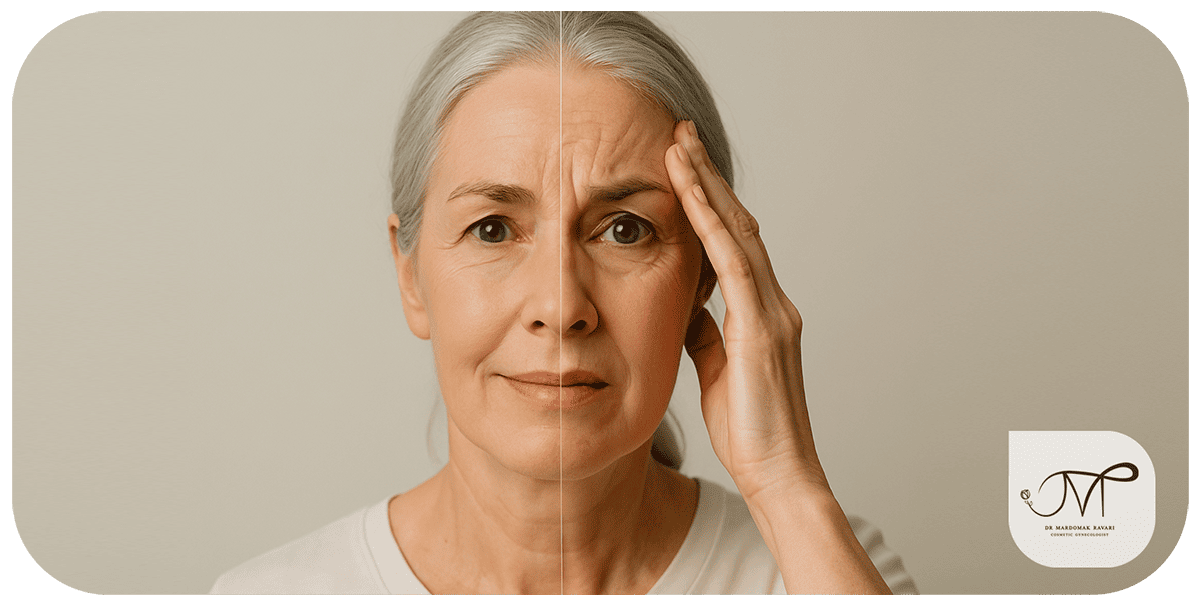
Why does menopause cause mood disorders
Hormonal changes play a central role. Key factors include:
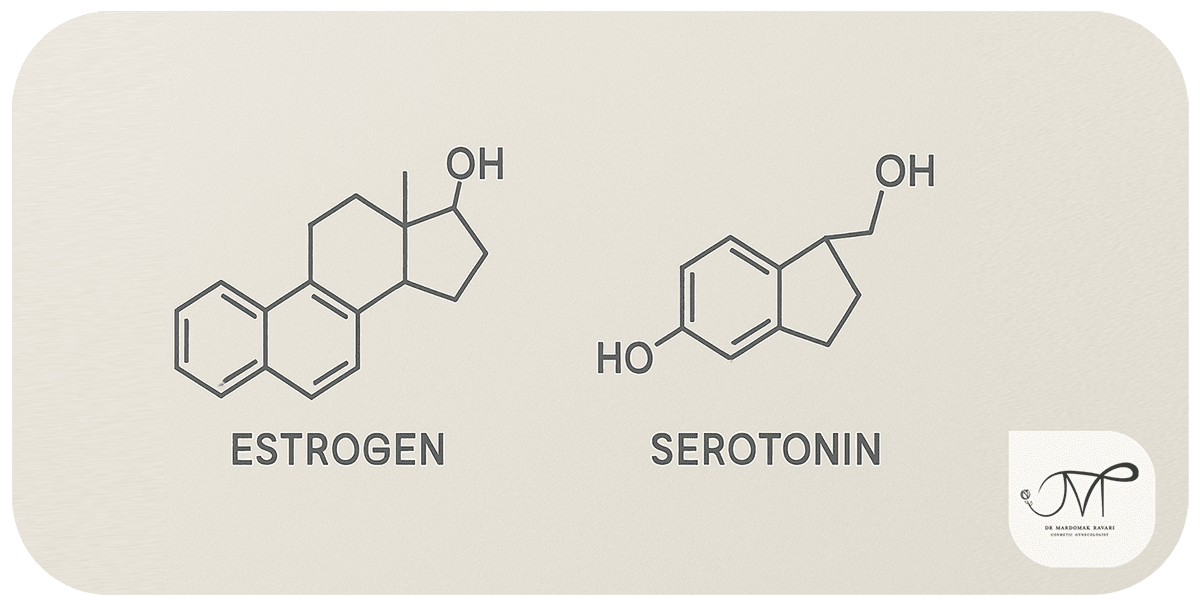
- Declining estrogen and progesterone: these hormones influence serotonin and dopamine, the brain’s “feel-good” chemicals. When levels fall, the risk of depression and anxiety rises.
- Hot flashes and sleep disruption: night sweats and insomnia lead to daytime fatigue and irritability.
- Psychosocial changes: empty nest, retirement, or worries about aging can amplify mood symptoms.
- Chronic medical conditions: hypertension, diabetes, and joint pain are more common in this age range and can lower mood.
Symptoms of menopause mood disorders
Symptoms range from mild to severe and may include:
- Persistent sadness or low mood
- Anxiety, restlessness, or constant worry
- Irritability and a short temper
- Loss of interest in daily activities and social connections
- Fatigue and low energy
- Trouble with focus and memory
- Sleep problems, from insomnia to oversleeping
- Feelings of worthlessness or reduced self-confidence
Risk factors
Some women are more susceptible:
- Prior history of depression or anxiety
- Early menopause, for example due to surgery or chemotherapy
- Limited family or social support, or loneliness
- Chronic life stress
- Financial or social difficulties
How doctors make the diagnosis
Diagnosis is usually clinical, based on history and symptoms. In some cases, tests are done to rule out medical causes such as thyroid disease. Validated questionnaires can help, for example PHQ-9 for depression and GAD-7 for anxiety.
Treatment and management

-
Non-pharmacologic approaches
- Counseling and psychotherapy: working with a psychologist helps with emotion recognition and coping skills. Cognitive behavioral therapy is well supported by evidence.
- Lifestyle changes:
– Regular exercise such as walking, yoga, or swimming improves mood.
– Sufficient, regular sleep supports emotional recovery.
– A balanced diet with fruits, vegetables, whole grains, and omega-3 fats (fish, walnuts) helps reduce depressive symptoms.
- Meditation and relaxation: deep breathing, mindfulness practice, and brief daily relaxation lower stress and anxiety.
- Support groups: sharing experiences with other women reduces isolation and normalizes the journey.
-
Medications
- Antidepressants and anxiolytics: for moderate to severe cases, a clinician may prescribe agents such as SSRIs when appropriate.
- Hormone therapy: for some women, estrogen with or without progestin can reduce both physical symptoms like hot flashes and mood problems. Decisions should weigh benefits and risks on an individual basis.
- Short-term sleep aids: reserved for severe insomnia and used for limited durations.
Prevention and self-care during menopause

Menopause does not have to mean depression or anxiety. Many women navigate this stage smoothly with a few practical habits.
-
Body care
- Regular activity: walking, yoga, cycling, or swimming boosts endorphins and eases anxiety; even 20 minutes a day can shift mood.
- Consistent sleep: aim for 7 to 8 hours nightly in a cool, dark, quiet room.
- Nutritious eating: emphasize fresh produce, whole grains, nuts, and omega-3 sources such as fish and walnuts; reduce excess sugar and very fatty meals.
-
Mind care
- Stress management: brief daily practices like deep breathing, meditation, or short relaxation sessions can meaningfully lower anxiety.
- Mindfulness: stay present with simple rituals such as a calm cup of tea or an attentive walk, noticing sights and sounds around you.
- Engaging hobbies: reading, gardening, painting, or music fills time with positive focus.
-
Social care
- Nurture relationships: regular conversations with friends or family ease loneliness; even a short call can lift mood.
- Support circles: community groups for women in midlife foster empathy and practical advice.

-
Regular medical follow-up
- Persistent sadness or severe anxiety deserves clinical attention. Regular visits with a gynecologist, primary care doctor, or psychiatrist can prevent escalation.
- In selected cases, blood tests assess hormones or rule out conditions such as hypothyroidism.
-
Small but impactful adjustments
- Cut down on caffeine and alcohol: both can worsen anxiety and disturb sleep.
- Quit smoking: tobacco negatively affects both physical and mental health.
- Keep a daily routine: consistent times for sleeping, meals, and activity restore a sense of control.
Daily quick plan
- Morning: 10 minutes of stretches plus a light breakfast with fruit and whole grains
- Midday: a short walk after lunch
- Evening: 15 minutes of meditation or mindfulness
- Night: light dinner, avoid caffeine, regular bedtime
Clinical examples
Case 1
A 48-year-old newly menopausal woman reported severe anxiety and insomnia. After psychotherapy, diet adjustments, and regular exercise, her symptoms improved over two months.
Case 2
A 52-year-old with a past history of depression developed low mood and loss of motivation after menopause. Combined treatment with an antidepressant and psychotherapy was effective.
Case 3
A 55-year-old presented with irritability and frequent family conflicts. After evaluation, she started hormone therapy along with family counseling, which improved household dynamics and her mood.
Conclusion
Menopause mood disorders are a major challenge driven by hormonal changes and psychosocial factors. With awareness, medical guidance, and lifestyle adjustments, most women can regain emotional balance and maintain a high quality of life. No one should accept depression or anxiety in menopause as inevitable; effective treatments and supports are available.
Similar Articles
- Mayo Clinic – Menopause symptoms: Mood changes
- National Institute on Aging (NIA) – Emotional Health and Menopause
- Harvard Health Publishing – Coping with the emotional impact of menopause
- Cleveland Clinic – Mood changes during menopause
- UpToDate – Management of mood disorders associated with menopause

Manage menopause-related mood changes today!
Fill out the consultation form now and our assistant will contact you shortly.
 FAQ
FAQ
 comments
-
Mahsa

I’m 51 and since menopause, I’ve been feeling irritable and anxious, and I can’t sleep well at night. Is this normal, or could it be depression? Do I need medication, or will it get better on its own?
-
Mardomak Ravari
These symptoms are common after menopause due to hormonal changes. Try regular exercise, enough sleep, and a healthy diet — they often help.
If sadness or irritability lasts more than two weeks, see your doctor. You may need short-term treatment, but with care, most women feel better over time.
-


Your email address will not be published. Required fields are marked *
Share:


