


Breast Fibroadenoma | Symptoms, Causes, and Treatment Options
Introduction
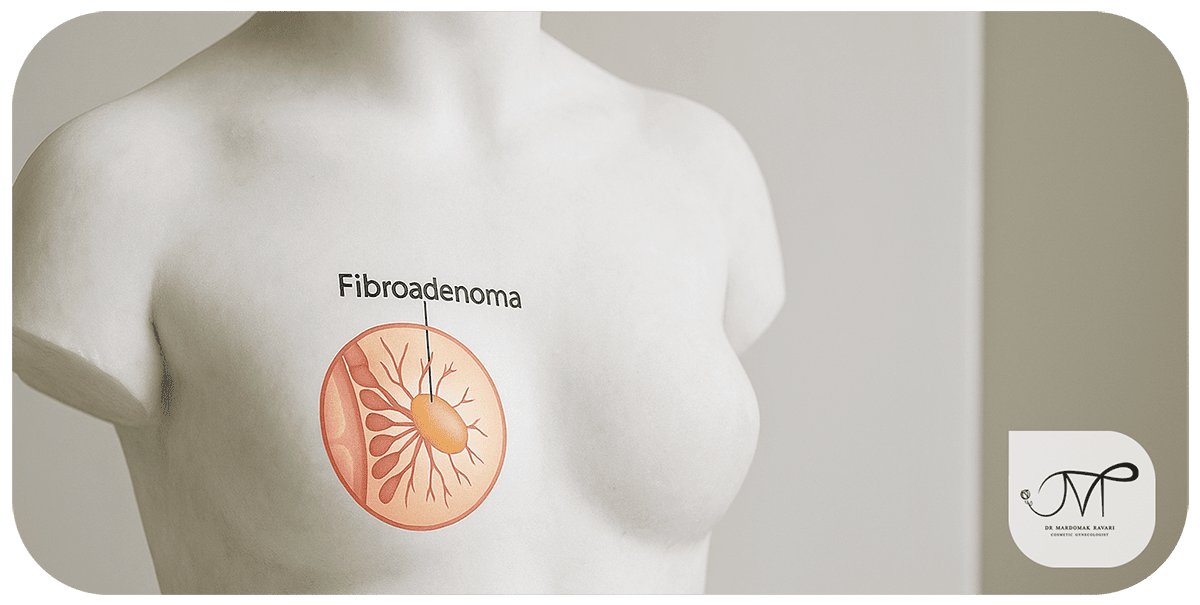
A fibroadenoma is one of the most common benign (noncancerous) tumors of the breast, usually seen in young women between ages 15 and 35. These lumps are often small, round, and mobile, and on exam may feel like a soft rubbery marble that slips under the fingers. Hearing the word “lump” can be alarming, but fibroadenomas are not cancer and in most cases are harmless. Even so, proper medical evaluation matters to distinguish them from other breast conditions.
Symptoms of breast fibroadenoma
- A firm or soft lump in the breast that moves easily under the skin
- Typically painless, though some tenderness or mild pain can occur
- Size may fluctuate slightly with the menstrual cycle
- Often solitary, but can be multiple and occur in both breasts
- Most measure 1 to 3 cm, though some exceed 5 cm (so-called giant fibroadenoma)
Causes and risk factors
The exact cause is unknown, but fibroadenomas appear to be influenced by hormones, especially estrogen.
Risk factors include:
- Age: most common in premenopausal young women
- Hormonal shifts: puberty, pregnancy, or use of oral contraceptives can stimulate growth
- Family history: benign breast conditions in close relatives increase likelihood
- Pregnancy: may trigger more rapid enlargement
How fibroadenoma is diagnosed
- Clinical breast exam: a clinician assesses the lump’s size, shape, and mobility.
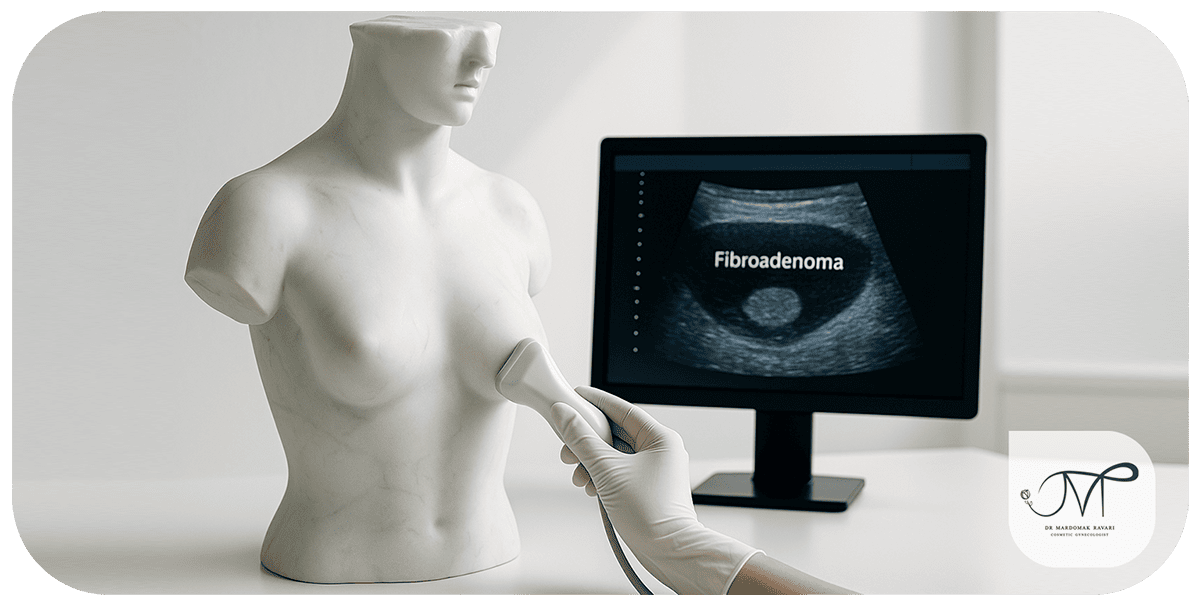
- Ultrasound: the preferred imaging test in younger women; fibroadenomas have a typical, homogeneous appearance.
- Mammography: used more often in women over 40 or when additional detail is needed.
- Biopsy: a needle sample may be taken if there is any doubt about the nature of the mass, to confirm it is benign.
Treatment options
-
Watchful waiting
- If the lump is small and symptom-free, immediate treatment is often unnecessary.
- Follow-up ultrasound or clinical exam is typically advised every 6 to 12 months.
-
Medication
- There is no specific drug that reliably shrinks fibroadenomas, although hormonal regulation may slow growth in select situations.
-
Surgical excision
- Recommended when the lump is large, growing quickly, or causing significant anxiety or discomfort. The mass is removed through a small incision.
-
Modern, minimally invasive therapies
In addition to standard surgery, several less invasive options can eliminate a fibroadenoma without a large incision.
Cryoablation
- Under ultrasound guidance, a thin probe is inserted into the lump.
- Very low temperatures freeze the tissue, destroying fibroadenoma cells.
- The body gradually resorbs the treated tissue, shrinking or eliminating the lump.
- Benefits: outpatient procedure, no general anesthesia, tiny scar, short recovery.
Laser or radiofrequency (RF) ablation
- Controlled thermal energy is applied to destroy the mass.
- Best suited for small to medium lesions.
- Benefits: minimally invasive, rapid recovery, no large incision.
Vacuum-assisted excision
- A special needle enters the lump; suction and cutting remove the tissue completely.
- A good choice for those who want to avoid open surgery and visible stitches.
Prevention and self-care

You cannot fully prevent fibroadenomas because hormones and genetics play key roles, but healthy habits may reduce the chance of rapid growth.
Healthy lifestyle
- Balanced diet: fruits, vegetables, whole grains, nuts, and lean proteins (fish, poultry, legumes)
- Limit saturated fats and ultra-processed foods such as fast food and processed meats
- Moderate alcohol and high caffeine intake (strong tea, coffee, energy drinks), which can worsen breast sensitivity
Hormonal health
- Periodic checks for women with a family history of benign breast disease
- Avoid self-prescribing hormonal medications or contraceptives without medical advice
Activity and weight management
- Regular exercise (about 30 minutes of brisk walking or other aerobic activity daily) helps regulate hormones and reduce stress
- Maintain a healthy weight; excess body fat produces estrogen, which may stimulate growth
Breast self-examination
- Examine your breasts monthly, a few days after your period ends
- Report any new lump or unusual change (prominence, skin dimpling, nipple discharge) to your clinician
Ongoing medical follow-up
- Obtain ultrasound or mammography as your clinician recommends
- Even when a lump is confirmed benign, periodic surveillance ensures timely detection of any change
Stress reduction and lifestyle
- Long-term stress can upset hormonal balance; try yoga, meditation, or daily walks
- Aim for 7 to 8 hours of quality sleep to support hormonal regulation
With these habits, even if a fibroadenoma forms, it is less likely to grow rapidly or need surgery.
Clinical examples
- Case 1: A 21-year-old woman with a freely mobile lump in the left breast. Ultrasound showed a simple fibroadenoma; she was monitored without treatment.
- Case 2: A 30-year-old pregnant woman whose lump enlarged during pregnancy. After delivery and breastfeeding, the mass decreased in size.
- Case 3: A 35-year-old woman with a 5-cm right-breast mass chose surgical removal due to concern; pathology confirmed fibroadenoma.
Conclusion
Fibroadenoma of the breast is one of the most common types of benign breast lumps. Although it is usually noncancerous, it can sometimes resemble suspicious masses clinically.
For this reason, doctors often recommend a breast biopsy to confirm the diagnosis. During this procedure, a small sample of tissue is taken with a special needle and examined under a microscope to rule out malignancy.
This step is crucial, as distinguishing fibroadenoma from other breast lesions is not always possible without biopsy — especially in women over 35 or those with a family history of breast disease.
Accurate diagnosis of fibroadenoma helps prevent unnecessary anxiety and overtreatment. While these lumps are typically harmless, it’s essential to know how they differ from breast cancer.
Unlike cancer, fibroadenomas are soft, round, movable, and usually painless. However, if a lump grows rapidly or has irregular borders, the doctor may recommend further tests such as ultrasound, mammography, or biopsy for confirmation.
Regular breast examinations and becoming familiar with your normal breast tissue are the best ways to detect early changes and maintain breast health. In summary, breast fibroadenoma is a common and benign condition in young women that rarely poses a health risk.
Nevertheless, accurate diagnosis and regular follow-up are essential to identify any abnormal changes early.
Most fibroadenomas do not require surgery, and removal is only necessary in specific cases.
Similar Articles

Don’t delay a proper breast lump evaluation!
Fill out the consultation form now and our assistant will contact you shortly.
 FAQ
FAQ
No comments have been posted.
Your email address will not be published. Required fields are marked *
Share:


