



HPV Treatment in Women; Managing and Controlling Human Papillomavirus
Introduction
HPV is one of the most common sexually transmitted infections worldwide. Many people, both women and men, will contract it at least once in their lifetime.
The good news is that in most cases, the immune system naturally clears the virus within 1 to 2 years. However, in some people the virus persists and can lead to problems such as genital warts or cellular changes in the cervix that, over time, may progress to cancer.
That is why understanding HPV treatment and management strategies for HPV is so important.
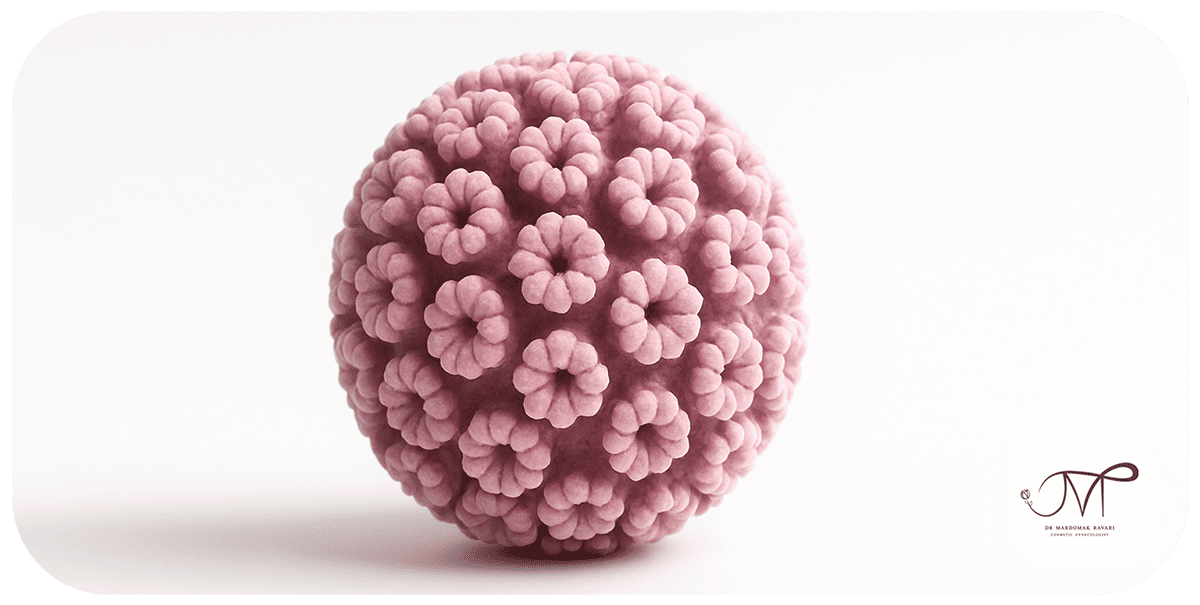
Does HPV Have a Definitive Cure?
Currently, there is **no specific medication** that can completely eliminate the HPV virus from the body.
However, the good news is that in about **80–90% of cases**, the immune system naturally clears the virus over time.
Existing treatments focus on **controlling symptoms**, **removing visible lesions**, and **preventing precancerous changes**.
Strengthening the immune system also plays a key role in accelerating viral clearance.
HPV Treatment Options for Women
HPV management includes several main approaches, selected by the physician based on the patient’s condition, the type of virus, and the severity of the lesions.
Treating Skin Lesions and Genital Warts
Genital warts are one of the most common visible signs of HPV.
The goal of treatment is to remove the lesions and reduce the risk of transmission.
Common treatment methods include:
Fractional CO₂ Laser for HPV Lesions
Fractional CO₂ laser is one of the most advanced and effective methods for treating HPV-related lesions in the genital area.
It works by emitting precise, controlled light beams that vaporize infected tissue or surface warts while simultaneously stimulating **cellular regeneration and collagen production**.
Key benefits include:
- High precision and minimal bleeding
- Lower recurrence rate
- Faster healing and tissue recovery
This laser is typically used for larger or treatment-resistant warts.
Due to its antiviral and tissue-regenerating effects, it offers more stable results compared to cryotherapy.
The procedure is performed outpatient under local anesthesia, and most patients can return to normal activities within a few days.
Overall, fractional CO₂ laser therapy not only improves the appearance of the treated area but also promotes rejuvenation and healing of the genital skin, making it one of the **standard medical treatments** used in specialized gynecology clinics today.

Cryotherapy (Freezing the Warts)
This method uses **liquid nitrogen** to freeze and destroy genital warts.
It’s a **quick and simple procedure**, usually performed over several sessions to ensure full removal.
Laser Therapy
Used for **deeper or more resistant warts**, laser treatment precisely targets and removes infected tissue with minimal bleeding.
Topical Medications
Common options include:
- Imiquimod: Stimulates the local immune system to fight the virus.
- Podophyllin: Causes the wart tissue to dry and eventually shed.
Surgical Removal or Electrocautery
For large or persistent lesions, minor surgery or **electrocauterization** may be performed to remove the infected area.
Note: These treatments do not eliminate HPV from the body, but by removing visible lesions, they reduce the risk of transmission and improve comfort.
Managing Cervical Changes Caused by High-Risk HPV
Certain high-risk HPV types — especially types 16 and 18 — can cause precancerous changes in cervical cells.
To detect and treat these changes early, the following procedures are recommended:
- Colposcopy: A detailed examination of the cervix using a magnifying device to identify abnormal areas.
- Biopsy: Taking a small tissue sample if suspicious changes are found.
- LLETZ or Conization: Surgical or laser removal of the affected cervical tissue to prevent progression to cancer.
Regular follow-up with Pap smear and HPV DNA testing is essential for women diag
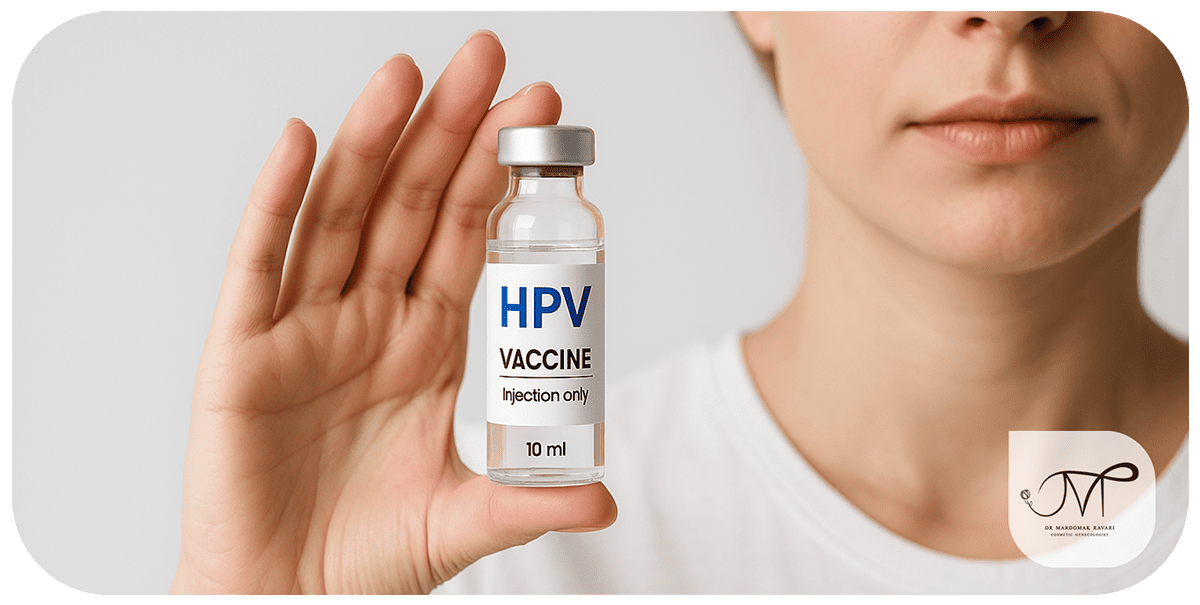
HPV Vaccine (Gardasil)
The **Gardasil vaccine** is one of the most effective ways to prevent infection with high-risk HPV types.
Even for individuals already infected with one strain, vaccination can still **protect against other types** of the virus.
Gardasil reduces the risk of **cervical cancer by more than 90%** and is recommended for both girls and boys, ideally between the ages of **9 and 26**.
Lifestyle Modifications
Adopting healthy habits and practicing safe sexual behavior play a key role in controlling HPV infection:
- Maintain safe sexual practices and use condoms consistently.
- Limit the number of sexual partners to reduce exposure risk.
- Avoid sexual contact during periods of active lesions or visible warts.
- Get regular screenings such as Pap smears and HPV tests.
- Maintain a healthy weight and follow a balanced, nutrient-rich diet to support immune health.

Preventing HPV Transmission
HPV spreads through direct skin-to-skin or sexual contact, even without full penetration.
To reduce the risk of transmission, the following measures are essential:
- Vaccination: Getting the Gardasil vaccine before sexual activity is the most effective prevention method.
- Condom use: While it doesn’t offer 100% protection, it significantly reduces the risk of infection.
- Personal hygiene: Avoid sharing personal items like razors, and keep the genital area clean and dry.
- Avoid smoking: Smoking interferes with the body’s ability to clear the virus and increases the risk of persistent infection.
- Regular check-ups: Schedule Pap smear and HPV DNA tests as advised by your gynecologist to detect early cellular changes.
Important Notes for Young Women
HPV is not limited to married or older women.
Studies show that the highest prevalence occurs among those aged 18 to 30 years.
Therefore, prevention for younger women should include:
- Comprehensive sexual education
- Early vaccination
- Condom use in all sexual encounters
- Routine screening and follow-up
Simply put, preventing HPV means a combination of vaccination, safe sexual behavior, a healthy lifestyle, and regular medical screening.
Patient Experiences
Sara, 29:
“My test came back positive, and I was really scared at first. But my doctor said I just needed regular follow-ups. A year later, my body cleared the virus naturally. Now I know how important calmness and immune strength are.”
Maryam, 34:
“I had genital warts and underwent cryotherapy. The lesions completely disappeared, but I still get a Pap smear every six months for peace of mind.”
Nazanin, 41:
“I was diagnosed with a high-risk HPV type. Thanks to timely colposcopy and proper treatment, the cellular changes were managed. After recovery, I got the Gardasil vaccine to prevent reinfection.”
Conclusion
Although HPV is a common infection, with awareness, regular monitoring, and a strong immune system, it can be effectively controlled.
The key components of HPV management and prevention include:
- Treating visible skin lesions
- Continuous cervical monitoring
- Timely vaccination
- Healthy lifestyle habits
Consulting a gynecologist and undergoing routine screening tests remain the most reliable ways to protect sexual and reproductive health in women.
If you’d like to learn more about HPV prevention and the latest methods for managing the infection, we recommend reading the following related articles:
– “Gardasil Vaccine and Cervical Cancer Prevention”
This article explains how the Gardasil vaccine works, the best age for vaccination, and its proven effectiveness in preventing genital warts and HPV-related cancers.
– “Genital Warts in Women: Symptoms, Diagnosis, and Treatment”
Learn about effective removal techniques such as laser therapy, cryotherapy, and topical medications used to treat visible lesions.
– “Pap Smear and Colposcopy: Steps and the Importance of Early Detection”
Discover how these diagnostic procedures are performed, how to interpret results, and how regular screenings help in the early detection of cervical changes.
Similar Articles
- World Health Organization (WHO): Human Papillomavirus (HPV) and Cervical Cancer Overview
- Centers for Disease Control and Prevention (CDC): HPV Vaccination and Screening Guidelines
- Mayo Clinic: HPV infection – Diagnosis, Treatment, and Prevention
- American College of Obstetricians and Gynecologists (ACOG): Management of HPV and Cervical Dysplasia
- UpToDate: Human papillomavirus infections: Epidemiology, clinical manifestations, and management

If your HPV test is positive, don’t worry!
Fill out the consultation form now and our assistant will contact you shortly.
 FAQ
FAQ
 comments
-
ali test

Lorem ipsum dolor sit amet, consectetur adipiscing elit, sed do eiusmod tempor incididunt ut labore et dolore magna aliqua. Egestas purus viverra accumsan in nisl nisi. Arcu cursus vitae congue mauris rhoncus aenean vel elit scelerisque. In egestas erat imperdiet sed euismod nisi porta lorem mollis. Morbi tristique senectus et netus. Mattis pellentesque id nibh tortor id aliquet lectus proin. Sapien faucibus et molestie ac feugiat sed lectus vestibulum. Ullamcorper velit sed ullamcorper morbi tincidunt ornare massa eget. Dictum varius duis at consectetur lorem. Nisi vitae suscipit tellus mauris a diam maecenas sed enim. Velit ut tortor pretium viverra suspendisse potenti nullam. Et molestie ac feugiat sed lectus. Non nisi est sit amet facilisis magna. Dignissim diam quis enim lobortis scelerisque fermentum. Odio ut enim blandit volutpat maecenas volutpat. Ornare lectus sit amet est placerat in egestas erat. Nisi vitae suscipit tellus mauris a diam maecenas sed. Placerat duis ultricies lacus sed turpis tincidunt id aliquet.
-
admin
Lorem ipsum dolor sit amet, consectetur adipiscing elit, sed do eiusmod tempor incididunt ut labore et dolore magna aliqua. Egestas purus viverra accumsan in nisl nisi. Arcu cursus vitae congue mauris rhoncus aenean vel elit scelerisque. In egestas erat imperdiet sed euismod nisi porta lorem mollis. Morbi tristique senectus et netus. Mattis pellentesque id nibh tortor id aliquet lectus proin. Sapien faucibus et molestie ac feugiat sed lectus vestibulum. Ullamcorper velit sed ullamcorper morbi tincidunt ornare massa eget. Dictum varius duis at consectetur lorem. Nisi vitae suscipit tellus mauris a diam maecenas sed enim. Velit ut tortor pretium viverra suspendisse potenti nullam. Et molestie ac feugiat sed lectus. Non nisi est sit amet facilisis magna. Dignissim diam quis enim lobortis scelerisque fermentum. Odio ut enim blandit volutpat maecenas volutpat. Ornare lectus sit amet est placerat in egestas erat. Nisi vitae suscipit tellus mauris a diam maecenas sed. Placerat duis ultricies lacus sed turpis tincidunt id aliquet.
-


Your email address will not be published. Required fields are marked *


