



HPV Infection and Genital Warts: A Simple, Complete Guide
Introduction
Human papillomavirus (HPV) is one of the most common sexually transmitted infections. It can cause genital warts and other skin or mucosal lesions. Genital warts are usually caused by low-risk HPV types such as 6 and 11 and may appear on the genitals, around the anus, and sometimes in the mouth. Some high-risk HPV types may not cause visible warts but are linked to cancers, especially cervical cancer. It’s estimated that more than 80% of people who have unprotected sex will encounter HPV at least once in their lives. Given how common it is—and the potential complications—everyone should know the basics about HPV, genital warts, and how to prevent and treat them.

Key Facts and Why This Matters
- Roughly 300 million women worldwide have had high-risk HPV.
- The HPV vaccine (Gardasil) can prevent up to 90% of cervical cancer cases.
- Regular screening can reduce cervical cancer mortality by 50%–70%.
HPV Types: Low-Risk vs. High-Risk
HPV includes more than 200 subtypes. Clinically, they’re grouped as low-risk (mainly cause warts) and high-risk (linked to precancer and cancer).

Low-Risk HPV
- Most common types: 6 and 11
- What they cause: genital, anal, or oral warts (benign lesions)
- Nature of lesions: noncancerous but may affect appearance and quality of life
- Natural course: many clear on their own within 6–24 months
- Other low-risk types: 42, 43, 44 (usually benign mucosal warts)
High-Risk HPV
- Most common types: 16 and 18 (cause ~70% of cervical cancers globally)
- Other high-risk types: 31, 33, 45, 52, 58
- Features: may cause no visible warts but can trigger cellular changes in the cervix, anus, throat, and other sites
- How cancer develops: the virus persists in epithelial cells and may integrate into host DNA over years, leading to precancer and cancer
- Common cancer sites: cervix, anus, male genital area, oropharynx (throat)
Quick Comparison
|
High-Risk |
Low-Risk | Feature |
| 16, 18, 31, 33, 45, 52, 58 | 6, 11 | Common types |
| Precancerous changes, cancers | Genital warts, benign changes | Main lesions |
| May persist silently for years and progress | Often clears spontaneously | Course |
| Essential and regular | Recommended | Screening need |
How HPV Spreads
- Unprotected sexual contact: vaginal, anal, or oral sex is the main route.
- Close skin-to-skin contact: transmission can occur even without full penetration.
- Mother-to-child (rare): during childbirth, potentially causing respiratory papillomatosis in infants.
Condoms reduce risk by about 60–70%, but they do not block every type of HPV or every route of skin contact.
Genital Wart Symptoms (Usually Low-Risk HPV)
- Size: small to medium (1–10 mm)
- Shape: flat or raised; sometimes clustered (cauliflower-like)
- Color: skin-colored or grayish-white
- Location: labia minora/majora, cervix, penis, scrotum, perineum, around the anus
- Sensation: usually painless; sometimes itching or mild burning
Note: Warts can appear up to 6 months after exposure—or not appear at all—and may disappear spontaneously.
HPV Testing and Cervical Screening: Step by Step

Because many high-risk HPV infections cause no obvious lesions, routine screening is critical for women.
Clinical exam
- Visual inspection of the genitals, perianal area, and sometimes the mouth/throat for warts or suspicious lesions; magnification may be used.
Pap smear (cytology)
- Purpose: detect abnormal cervical cells (dysplasia) that could be caused by high-risk HPV.
- Frequency: every 3 years for ages 21–29; every 3–5 years for age 30+ (depending on results and whether HPV testing is added).
- Advantages: simple, affordable, effective at cancer prevention.
HPV-DNA testing
- Purpose: identify high-risk HPV types even before cell changes develop.
- Method: sample collected like a Pap, analyzed by molecular methods (PCR/hybridization).
- Advantage: high accuracy for “silent” high-risk infections and better risk stratification.
Co-testing (Pap + HPV-DNA together)
- Highest sensitivity for cervical cancer screening; recommended every 5 years for women aged 30–65.
Colposcopy
- When: abnormal Pap or positive high-risk HPV-DNA.
- Method: illuminated magnification (colposcope) plus special stains to highlight suspicious areas.
- Benefit: targeted biopsies from the exact lesion.
Biopsy
- When: suspicious lesions or colposcopic abnormalities.
- Purpose: definitive diagnosis under the microscope.
Additional tests
- Serology: may show past exposure but limited clinical use.
- Oral/anal testing: for individuals at risk (e.g., receptive anal or oral sex).
By sex
- Women: Pap, HPV-DNA, colposcopy, and cervical biopsy as indicated.
- Both sexes: clinical inspection of external lesions, biopsy of visible warts, and anal/oral testing when at risk.
- Men: clinical diagnosis or direct biopsy of visible warts; routine HPV testing isn’t generally recommended except for high-risk groups (e.g., HIV-positive, receptive anal sex).
Treating Genital Warts
Laser therapy is one option offered in some clinics; see below.
Topical therapies
- Imiquimod: an immune-response cream used at home.
- Podophyllin (or podofilox): solution/gel applied to break down warts; typically once weekly under guidance.
In-office procedures
- Cryotherapy: freezing with liquid nitrogen; often needs multiple sessions.
- Laser therapy: ablates resistant or extensive warts.
- Surgical excision/curettage: physical removal (minor bleeding possible).
Note: No treatment eliminates the virus from the body outright; treatments remove visible lesions while the immune system clears the virus over time.
HPV Vaccine (Gardasil): Your Best First Line of Defense
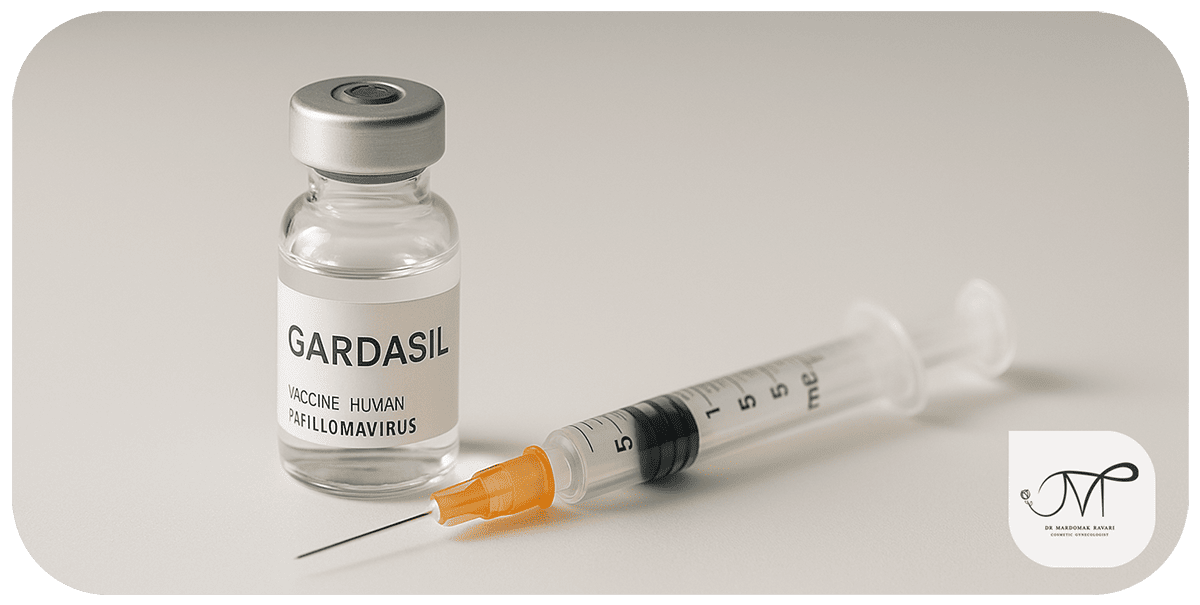
HPV vaccination is one of the major public-health successes of recent years. Countries with widespread vaccination report up to 80% reductions in genital warts and ~70% reductions in cervical precancer.
Vaccine options
Gardasil (quadrivalent)
- Covers: HPV 6/11 (low-risk, main wart types) and 16/18 (high-risk, major cervical cancer types)
- For: females and males
- Benefit: protects against both warts and cancer-related types
Gardasil 9 (nonavalent)
- Covers: 6, 11, 16, 18 plus 31, 33, 45, 52, 58
- Benefit: broadest protection—prevents ~90% of cervical cancers and many wart cases
Cervarix (bivalent)
- Covers: 16 and 18 (high-risk)
- Benefit: strong cancer prevention; no wart protection
Best age to vaccinate
- Ideal: ages 9–14 (before any sexual exposure)
- Also recommended: up to age 26 for all genders; some countries extend to age 45 based on clinical judgment
- Why early: stronger immune response and protection before first exposure
Dosing
- 2 doses: ages 9–14, spaced 6–12 months apart
- 3 doses: age 15+ or immunocompromised, at months 0, 2, and 6
Safety and side effects
- HPV vaccines are very safe; millions of doses have been given worldwide.
- Usually mild: injection-site pain/redness, low-grade fever, headache, temporary fatigue.
- Severe allergic reactions are very rare.
WHO guidance
- Include HPV vaccines in national prevention programs.
- Screening (Pap/HPV tests) is still needed after vaccination—vaccines don’t cover every HPV type.
- Vaccinating boys helps reduce transmission across the community.
Daily Prevention and Self-Care
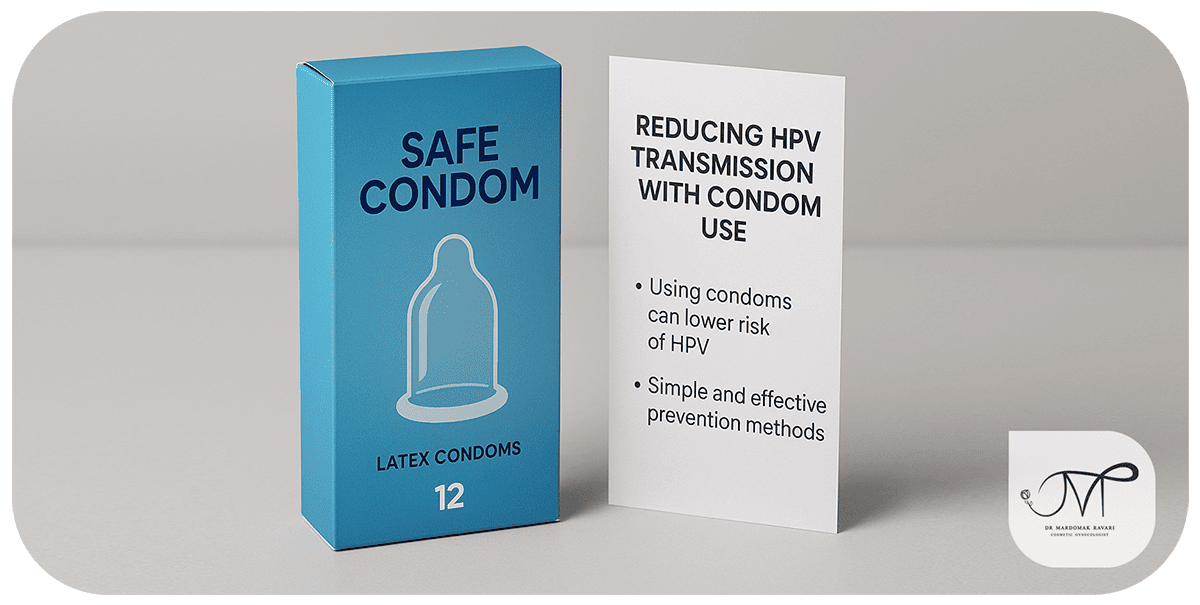
1) Use condoms: for every sexual encounter.
2) Regular screening: Pap and/or HPV testing as recommended.
3) Get vaccinated: ideally before first sexual contact.
4) Avoid irritants: no douching; skip scented washes.
5) Limit partners: mutually monogamous relationships are safer.
If You Don’t Prevent or Treat
-
- Cervical cancer: precancer can develop slowly over years.
- Oropharyngeal and anal cancers: linked to high-risk HPV.
- Pregnancy risks: preterm birth and low birth weight in infected mothers.
Clinical Snapshots
- Case 1: A 27-year-old woman who received Gardasil 9 had normal yearly Pap results and negative high-risk HPV-DNA three years post-vaccination.
- Case 2: A 30-year-old man with longstanding warts had complete clearance after cryotherapy with no recurrence at 6-month follow-up.
Bottom Line
HPV is common—but preventable. Vaccination before sexual exposure, safer-sex practices, and consistent screening are the most effective ways to avoid serious complications. If you notice warts or have abnormal screening results, see a gynecologist or urologist promptly.
References

Noticed warts?
Fill out the consultation form now and our assistant will contact you shortly.
 FAQ
FAQ
No comments have been posted.
Your email address will not be published. Required fields are marked *
Share:


