

Estrogen-Deficiency Osteoporosis | Symptoms, Causes, and Treatments
Introduction: Why is postmenopausal osteoporosis important
Many women notice hot flashes or vaginal dryness after menopause. But one of the hidden and more dangerous complications is estrogen-deficiency osteoporosis. This condition makes bones thinner and more fragile, so even a minor fall or bump can lead to fractures. Osteoporosis is a leading cause of reduced quality of life and even disability in older women. The good news is that with awareness, early diagnosis, and proper care, its progression can be slowed or prevented.
The role of estrogen in bone health
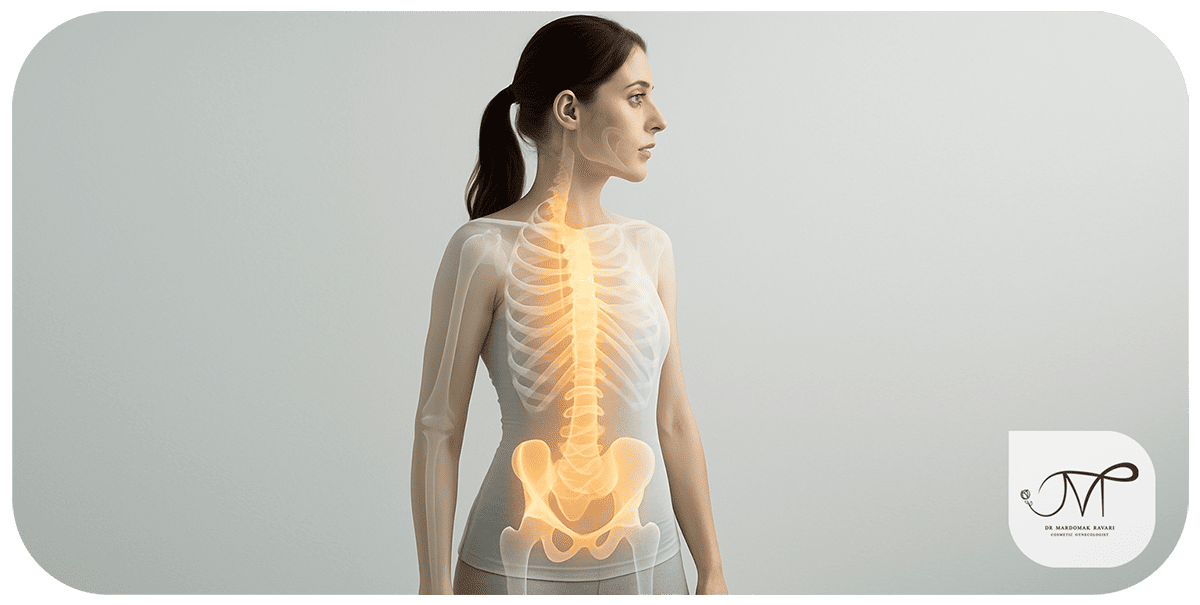
Estrogen is one of the key female hormones that helps maintain bone balance.
- With sufficient estrogen: bone formation and breakdown remain in equilibrium, keeping bones strong and dense.
- With low estrogen (after menopause): bone breakdown outpaces bone formation, gradually leading to osteoporosis.
Symptoms of estrogen-deficiency osteoporosis
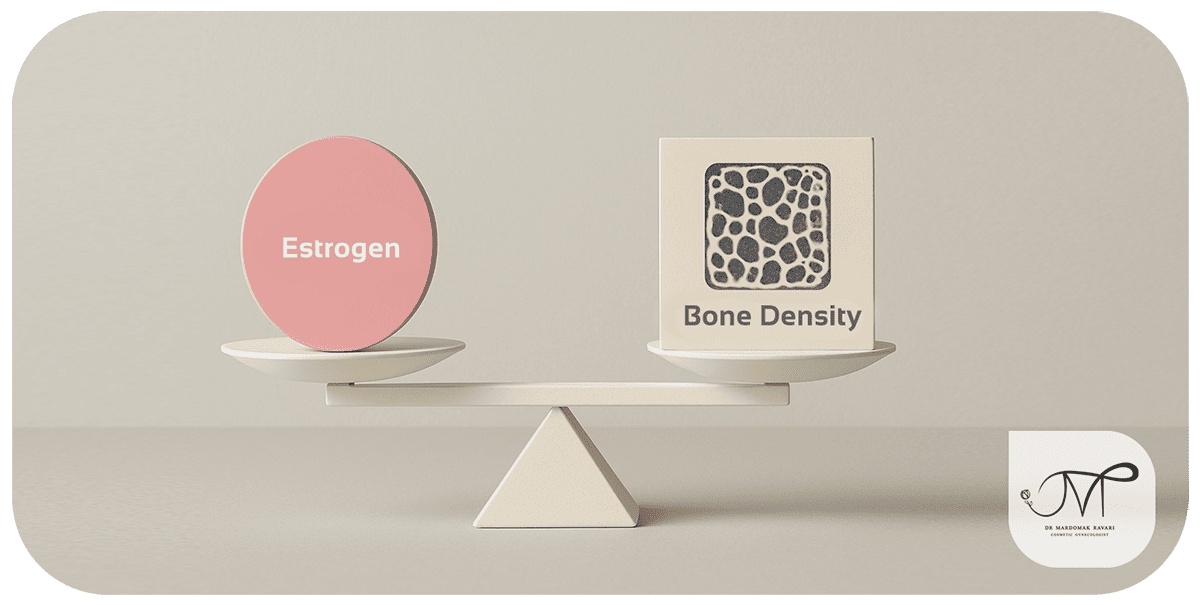
Osteoporosis often progresses silently for years, but over time the following signs may appear:
- Loss of height or stooping posture
- Persistent back pain or pain in hips and thighs
- Bone fractures from minor trauma (even coughing or sneezing in severe cases)
- General weakness or reduced physical strength
Causes and risk factors
While low estrogen is the main cause after menopause, other factors raise the risk:
- Early menopause (before age 45)
- Family history of osteoporosis or hip fracture
- Low dietary calcium and vitamin D
- Lack of exercise or sedentary lifestyle
- Smoking and alcohol use
- Long-term use of certain drugs (e.g., corticosteroids)
How osteoporosis is diagnosed
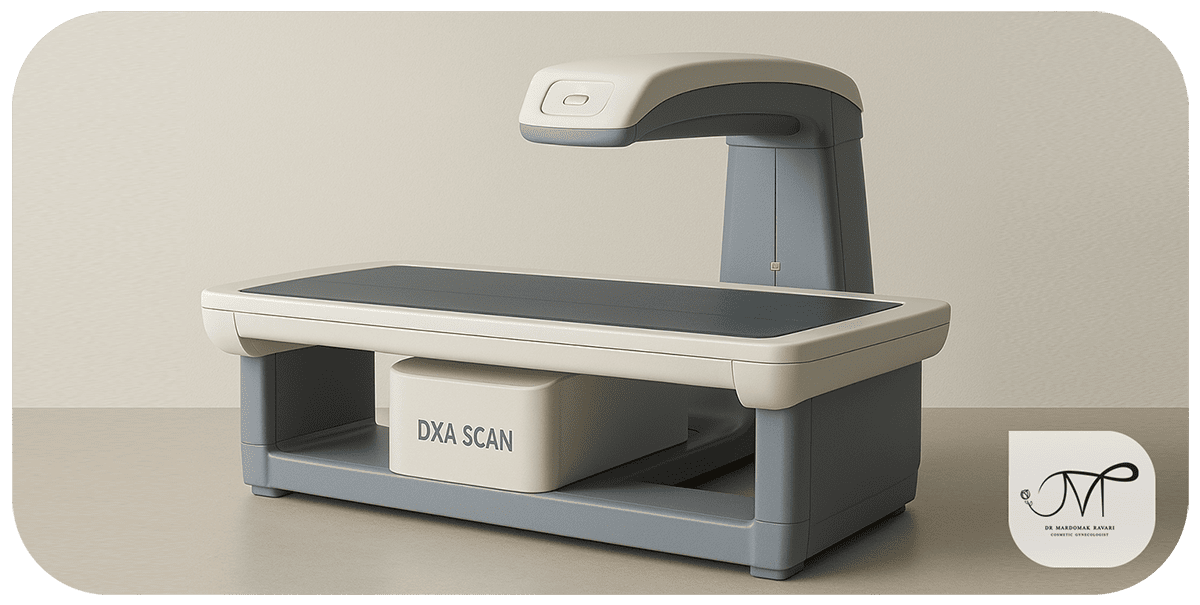
Doctors typically use a combination of methods:
- Medical history and symptom review: including early menopause or repeated fractures
- Bone density scan (DXA): the gold standard for measuring bone mass
- Blood tests: checking vitamin D, calcium, and occasionally hormone levels
- X-rays: to detect fractures and spinal deformities
Treatment for estrogen-deficiency osteoporosis
-
Lifestyle modifications
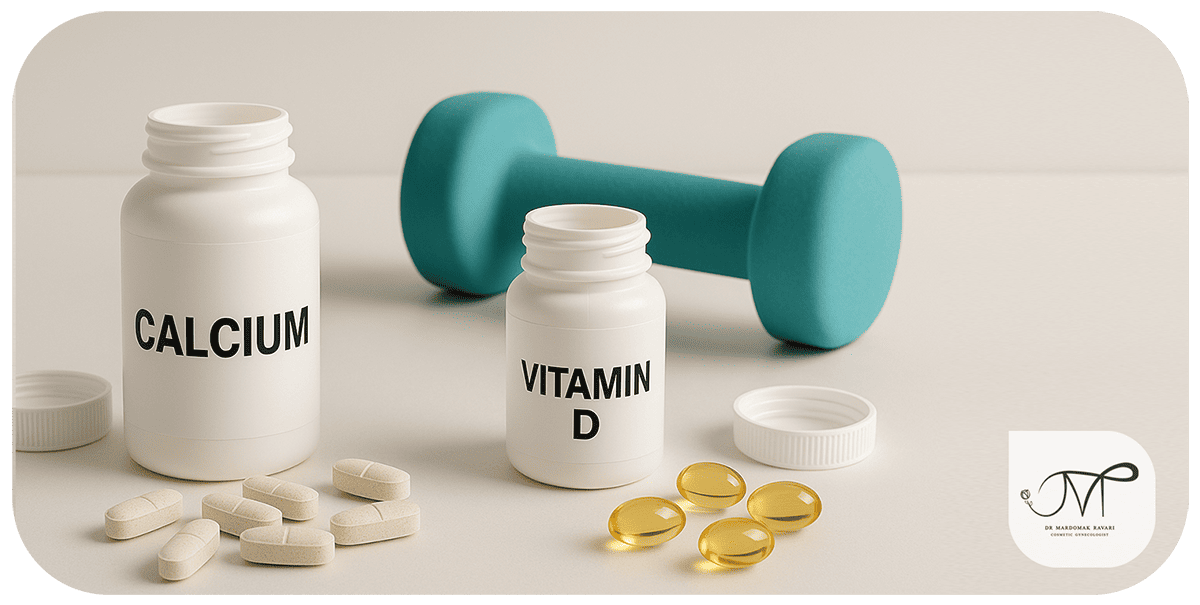
- Diet rich in calcium and vitamin D (dairy, leafy greens, fish, almonds)
- Regular exercise such as walking, swimming, or resistance training
- Avoid smoking, excessive alcohol, and too much caffeine
- Sunlight exposure to help vitamin D production
-
Medications
- Hormone replacement therapy (HRT): estrogen or combined estrogen-progestin for selected women with menopausal symptoms (only under medical supervision)
- Bisphosphonates (e.g., alendronate): slow down bone breakdown
- Denosumab: an injectable that reduces bone resorption
- Calcium and vitamin D supplements: for those not meeting dietary needs
-
Newer approaches
- PRP (platelet-rich plasma) or stem cell–based therapies: under investigation for enhancing bone regeneration
- Low-level laser or ultrasound therapy: as supportive tools for stimulating bone cells
Prevention and self-care
Menopause is a natural stage, but osteoporosis from estrogen loss is preventable. Simple steps can protect bones or at least slow bone loss:
-
Nutrition
- Calcium: about 1200 mg per day is recommended. Best sources include dairy, almonds, sesame, and leafy greens like kale or broccoli.
- Vitamin D: essential for calcium absorption; sunlight is key, but supplements may be necessary.
- Protein: adequate protein intake supports muscle and bone health. Fish, lean meat, legumes, and eggs are good sources.
- Limit harmful foods: sodas, very salty foods, and excessive coffee promote calcium loss.
-
Exercise
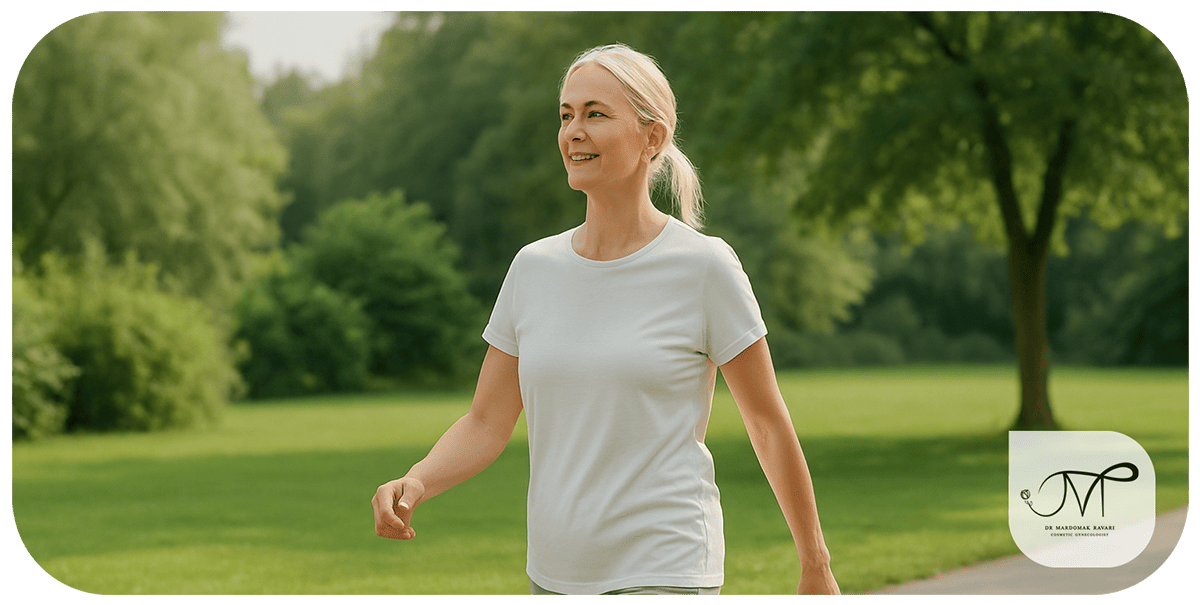
- Weight-bearing exercises: walking, hiking, light jogging
- Strength training: light weights or resistance bands to strengthen muscles and bones
- Balance and flexibility: yoga or tai chi reduce fall risk, crucial for women with weak bones
-
Lifestyle
- Quit smoking: nicotine reduces bone density
- Limit alcohol: heavy drinking weakens bones
- Maintain a healthy weight: both obesity and being underweight increase risk
-
Monitoring and medical care
- After age 50, periodic bone density testing is advisable
- Seek medical advice for signs such as unexplained back pain or height loss
- Women with early menopause or oophorectomy should start screening sooner
-
Everyday home safety
- Fall-proof your home: secure rugs, wear supportive shoes, ensure good lighting
- Stay active daily: gardening, stair climbing, or housework helps maintain strength
- Prioritize good sleep: adequate rest supports hormone balance and body repair
Daily quick guide
- Two servings of dairy or yogurt plus one portion of leafy greens
- 20 minutes of brisk walking
- 10 minutes of stretching or yoga
- Avoid smoking, alcohol, and sodas
- Take calcium and vitamin D if prescribed
Clinical cases
Case 1: A 53-year-old woman, three years postmenopause, presented with back pain. Imaging showed small spinal fractures. She started bisphosphonates plus calcium and vitamin D, which eased symptoms.
Case 2: A 47-year-old woman with early menopause after ovary removal fractured her wrist within two years. Hormone therapy and exercise were prescribed.
Case 3: A 60-year-old smoker with low activity was hospitalized for a hip fracture. Surgery was followed by rehabilitation and bone-strengthening supplements.
Case 4: A 55-year-old woman lost 4 cm in height and developed a stooped posture. DXA confirmed severe osteoporosis. She began injectable medication plus nutrition counseling.
Conclusion
Similar Articles

Bone density testing and lifestyle improvements
Fill out the consultation form now and our assistant will contact you shortly.
 FAQ
FAQ
No comments have been posted.
Your email address will not be published. Required fields are marked *


