

Hot Flashes in Menopause and Night Sweats: Causes, Symptoms, and Ways to Manage Them
Introduction: Why do hot flashes happen in menopause
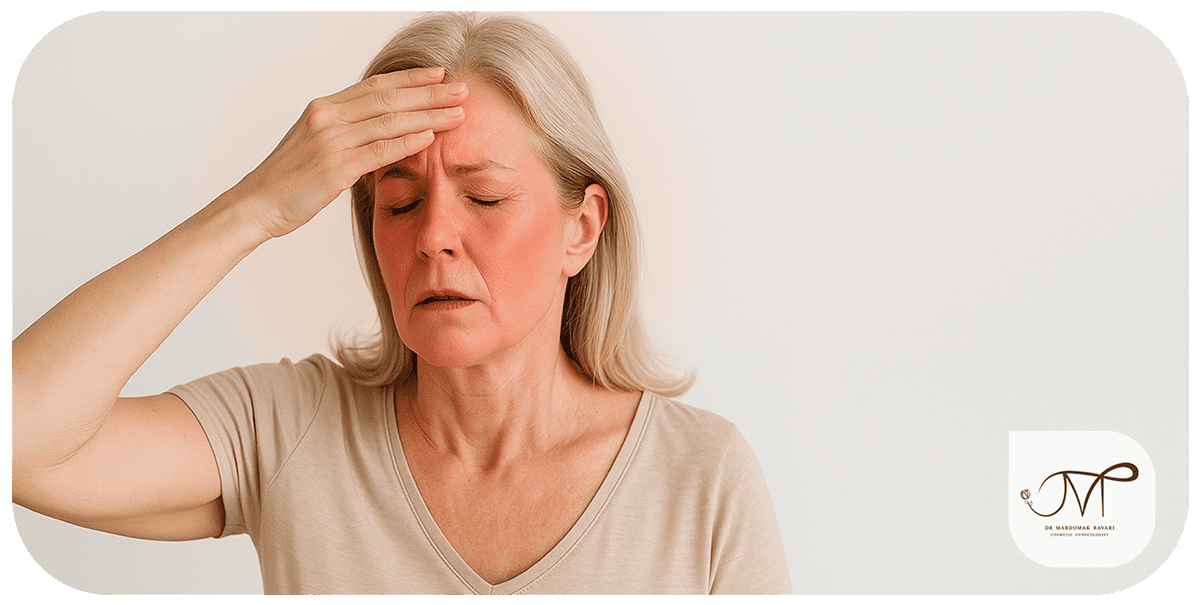
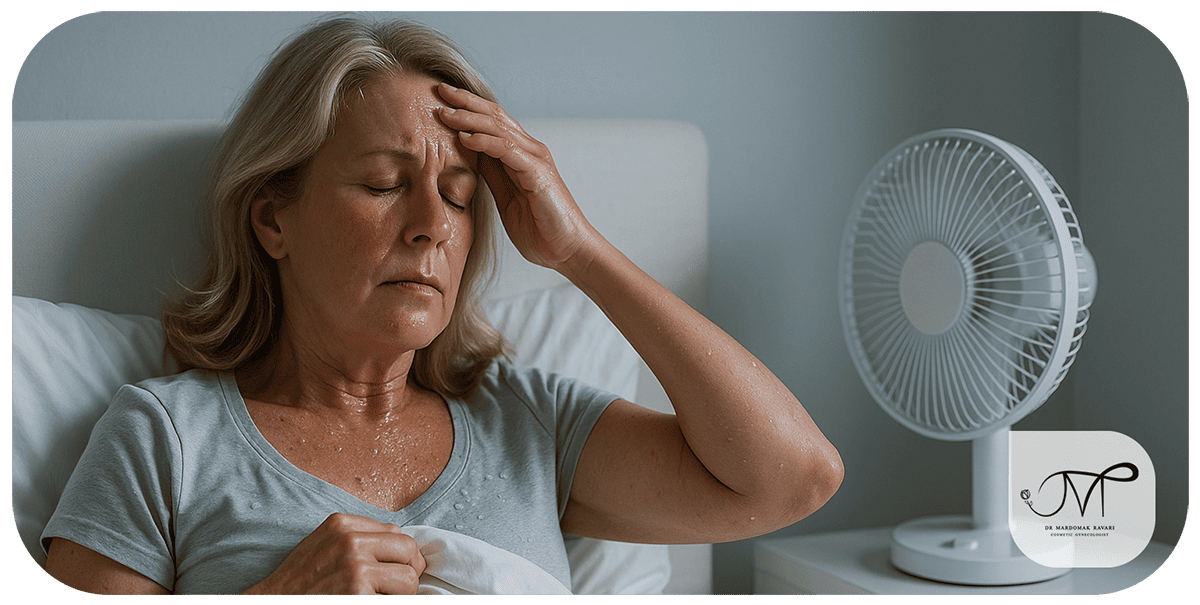
Menopause is a natural life stage that usually occurs between ages 45 and 55. One of the most common issues women experience at this time is hot flashes and night sweats. A hot flash is a sudden feeling of heat in the face, neck, and chest, often with skin flushing, a racing heartbeat, and sweating. When it happens at night, it shows up as night sweats and can disrupt sleep. These episodes may occur several times a day or night, affecting daily life, sleep quality, and even family relationships.
Causes and risk factors for hot flashes and night sweats
Hot flashes are largely driven by hormonal changes, especially declining estrogen. Factors that increase the likelihood include:
- Lower estrogen: as estrogen falls, the brain’s temperature-control center becomes more sensitive, triggering heat responses sooner than normal.
- Genetics: some women are more prone due to hereditary factors.
- Overweight and obesity: excess body fat retains heat more readily.
- Smoking: smokers often experience more severe hot flashes.
- Caffeine and alcohol: these can worsen symptoms.
- Stress and anxiety: psychological stress can intensify hot flashes and night sweats.
- Underlying conditions: for example, thyroid disorders that can mimic or amplify symptoms.
Signs and symptoms
- Sudden warmth in the face and upper body
- Skin flushing
- Palpitations and faster heart rate
- Heavy sweating, especially at night
- Chills after a hot flash episode
- Sleep disruption due to night sweats
- Daytime fatigue and low energy
How doctors make the diagnosis
Hot flashes are usually diagnosed based on symptoms and medical history. To confirm or rule out other causes, your clinician may:
- Order blood tests to check hormone levels such as estrogen and FSH
- Exclude similar conditions (for example, hyperthyroidism)
Possible impacts if left unmanaged
- Chronic insomnia and lower quality of life
- Anxiety and depression
- Trouble with concentration and memory
- Strain in intimate relationships
- Higher blood pressure risk related to ongoing stress
Treatment options for hot flashes and night sweats
-
Medications
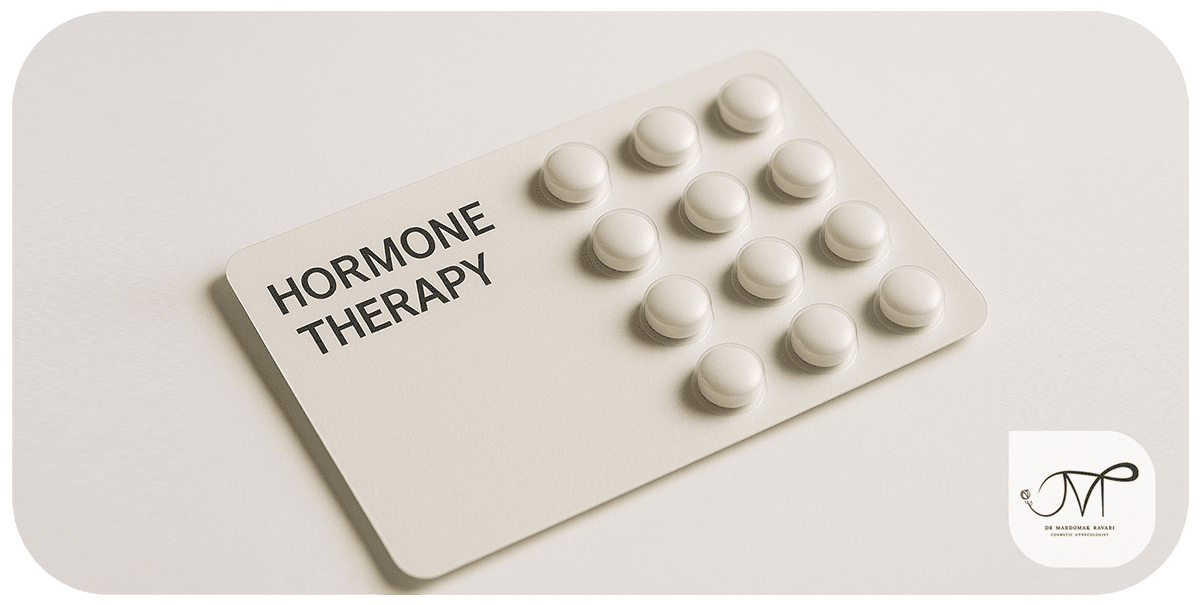
- Hormone therapy (HRT): the most effective treatment for reducing hot flashes. This involves estrogen alone or estrogen plus progestin, depending on your uterus status. It must be personalized and monitored by a clinician because it can carry risks for some people (for example, blood clots or breast cancer in specific risk groups).
- Nonhormonal medicines: certain antidepressants (SSRIs or SNRIs), gabapentin, or clonidine can help in selected cases.
-
Lifestyle changes
- Avoid alcohol, caffeine, and spicy foods.
- Quit smoking.
- Wear light, breathable cotton clothing, especially for sleep.
- Keep the bedroom cool with a fan or air conditioning.
- Stay well hydrated during the day.
- Exercise regularly to reduce stress and support hormonal balance.
-
Complementary approaches
- Yoga, meditation, and relaxation techniques.
- Plant-based remedies such as soy or red clover (isoflavones) that have estrogen-like effects; use only with professional guidance.
- Acupuncture, which helps some women.
Prevention and Self-Care for Hot Flashes and Night Sweats in Menopause

Hot flashes and night sweats are a natural part of menopause, but adopting a few simple habits and lifestyle changes can help reduce their frequency and severity.
1. Maintain a Healthy Weight and Avoid Excess Weight
Research shows that women with a higher body mass index (BMI) tend to experience more hot flashes during menopause. Extra body fat acts like an “insulator,” making the body heat up more easily.
– Losing even 5–10% of excess weight can ease symptoms.
– A balanced diet rich in fresh fruits, vegetables, whole grains, and lean proteins helps control weight.
– Limiting fatty and fried foods is recommended, as digesting them increases body heat.
2. Reduce Alcohol, Coffee, and Spicy Foods
These items can directly raise body temperature and trigger hot flashes.
– Limit coffee, strong tea, and energy drinks.
– Alcoholic beverages can intensify sudden body warmth.
– Spicy foods such as hot peppers, sauces, or strong spices may worsen night sweats.
– Soothing herbal drinks, like chamomile or lemon balm tea, are good alternatives.
3. Regular Exercise for Hormonal Balance and Stress Reduction
Light to moderate physical activity like walking, yoga, or swimming not only helps with weight control but also improves hormonal balance and mental calmness.
– Aim for at least 30 minutes of exercise daily.
– Stretching and relaxation exercises before bedtime can reduce night sweats.
– Avoid intense workouts late at night, as they can raise body temperature and disrupt sleep.
4. Optimize Sleep and Keep the Resting Environment Cool
Sleep quality significantly impacts the intensity of hot flashes.
– Keep the bedroom cool and well-ventilated; fans or air conditioning can help.
– Wear light, breathable cotton clothing to bed.
– A lukewarm shower before sleep can lower body temperature.
– Maintain a consistent sleep schedule and avoid using mobile devices or eating heavy meals before bedtime to improve sleep quality.
5. Manage Stress with Meditation, Deep Breathing, or Walking
Stress amplifies menopausal symptoms, making hot flashes more frequent and intense.
– Meditation, yoga, or deep breathing exercises before bed can relax the body.
– Evening walks help reduce stress and improve sleep quality.
– Journaling worries before sleep is another effective way to calm the mind.
|
Area |
Recommendations | Points |
|
Nutrition |
Eat fresh fruits and vegetables, whole grains, and lean proteins |
Avoid spicy, fatty foods and excessive sweets |
| Beverages |
Drink enough water, herbal teas like chamomile or lemon balm |
Limit coffee, energy drinks, and alcohol |
|
Exercise |
30 minutes of daily walking, yoga, or swimming |
Avoid intense exercise close to bedtime |
| Sleep |
Keep bedroom cool and ventilated, wear light cotton clothing |
Avoid heavy meals or mobile phone use before sleep |
| Stress Management |
Meditation, deep breathing, evening walks |
Write down worries to calm the mind |
| Body Weight | Maintain a healthy weight with a balanced diet | Losing 5–10% of excess weight can reduce symptoms |
Clinical Experiences
Case 1: Severe Hot Flashes After Menopause
A 48-year-old woman reported experiencing multiple hot flashes daily during menopause and waking up at night drenched in sweat. After evaluation, her doctor started a mild hormone therapy. Within two months, her symptoms significantly improved.
Takeaway: Hormone therapy can be highly effective for some women.
Case 2: Sleep Disturbance Due to Night Sweats
A 52-year-old woman frequently woke up at night because of heavy sweating and felt tired during the day. By making lifestyle changes, reducing coffee intake, and using a fan in the bedroom, her symptoms improved considerably.
Takeaway: Simple lifestyle adjustments can also be effective.
Case 3: Reluctance to Hormone Therapy
A 50-year-old woman, with a family history of breast cancer, preferred not to use hormones. Her doctor prescribed non-hormonal medication and recommended yoga and meditation. After a few months, the severity of her menopausal hot flashes decreased.
Takeaway: Hormones are not always necessary; alternative treatments are available.
Summary
Hot flashes and night sweats are among the most common menopausal symptoms caused by decreased estrogen levels. These symptoms can significantly affect sleep and overall quality of life. Fortunately, various approaches—including hormone therapy, non-hormonal medications, lifestyle changes, and complementary treatments—can help manage their severity. The key is for each woman to work with her doctor to find the best solution suited to her needs.
References

Tired of hot flashes or night sweats?
Fill out the consultation form now and our assistant will contact you shortly.
 FAQ
FAQ
No comments have been posted.
Your email address will not be published. Required fields are marked *
Share:


