


Ectopic Pregnancy | Causes, Symptoms, and Emergency Treatment
Introduction: When implantation happens in the wrong place
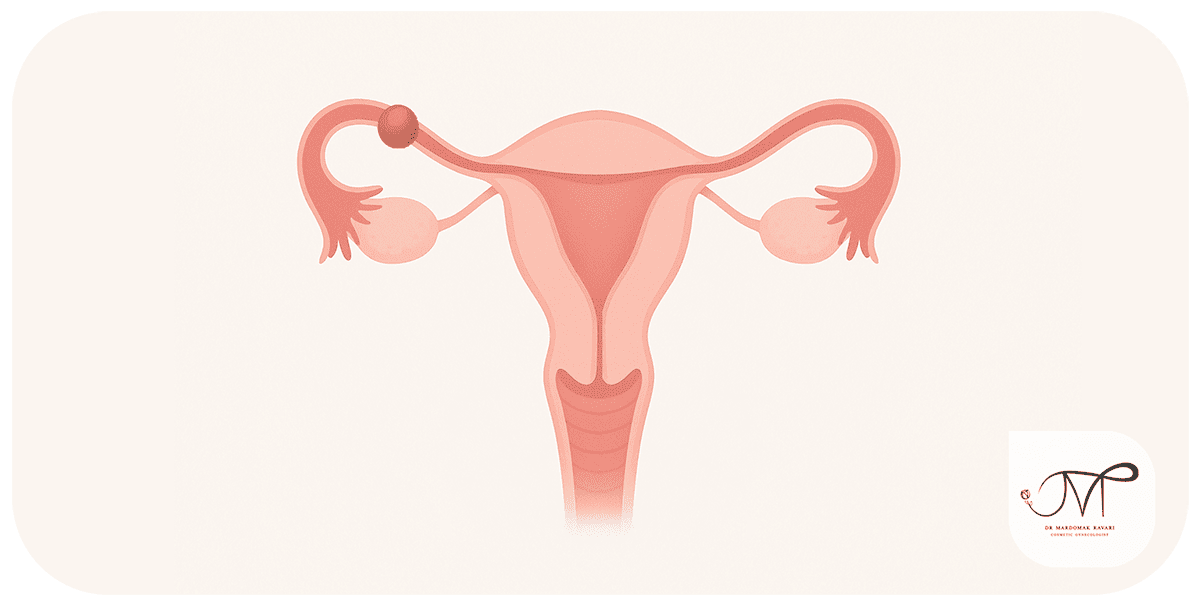
A normal pregnancy begins when a fertilized egg implants in the lining of the uterus (endometrium). In an ectopic pregnancy, implantation occurs outside the uterus. The most common site is the fallopian tube, but it can also occur in the ovary, cervix, or even the abdominal cavity.
This condition is a medical emergency because the growing embryo can cause rupture and severe internal bleeding, putting the mother’s life at risk.
Prevalence and significance
Ectopic pregnancy occurs in about 1–2% of all pregnancies. Despite advances in medicine, it remains one of the leading causes of maternal death in the first trimester. Early diagnosis is crucial to prevent life-threatening complications.
Causes and risk factors
Ectopic pregnancy usually results from impaired movement of the fertilized egg toward the uterus. Contributing factors include:
- Fallopian tube damage or narrowing from infections such as chlamydia or gonorrhea (leading to pelvic inflammatory disease)
- Previous tubal or abdominal surgery
- History of ectopic pregnancy
- Scar tissue in the fallopian tubes
- Congenital abnormalities of the tubes
- Long-term smoking, which affects the cilia in the fallopian tubes
- Use of an IUD or certain hormonal contraceptives (while overall pregnancy risk is reduced, if pregnancy occurs, it is more likely to be ectopic)
- Maternal age over 35
Sites of ectopic pregnancy
- Fallopian tube (95% of cases), most often in the ampullary portion
- Ovary
- Cervix
- Abdominal cavity
Symptoms of ectopic pregnancy
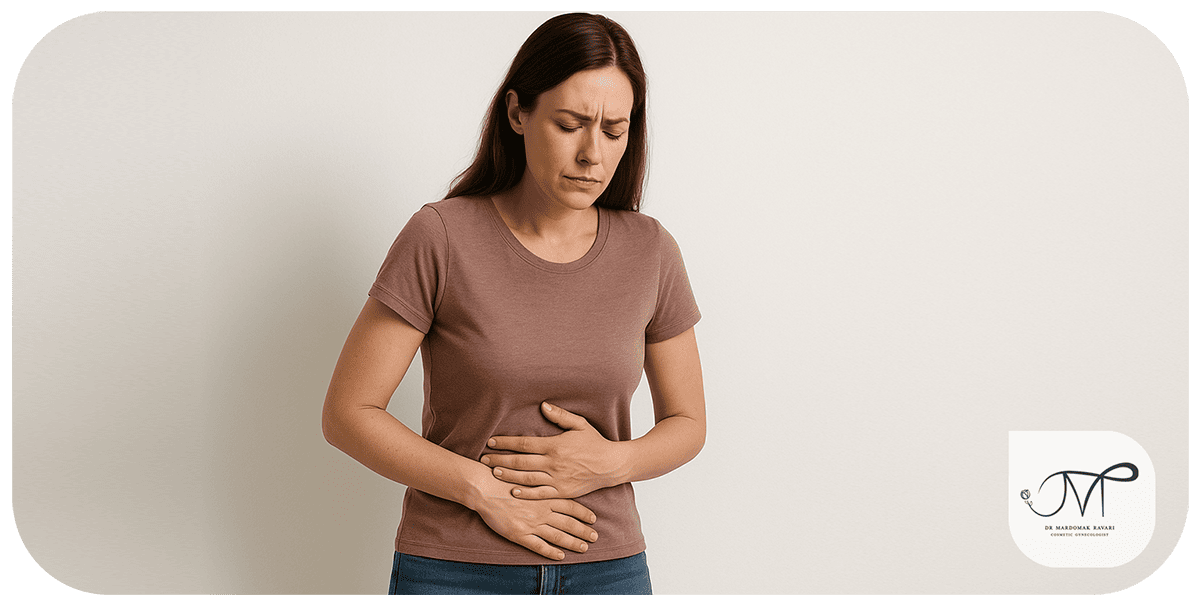
Signs vary depending on the site, gestational age, and whether rupture or internal bleeding has occurred.
-
Early symptoms (before rupture, typically weeks 4–8)
- Missed period – the first sign prompting many women to take a pregnancy test
- Positive pregnancy test
- Vaginal spotting or light bleeding – usually darker and lighter than a normal period
- One-sided pelvic or abdominal pain – often gradual, on the affected side
- Pelvic pressure or heaviness from local inflammation or fluid buildup
-
Progressive symptoms (approaching rupture)
- Sudden, severe pelvic or abdominal pain
- Shoulder pain – from diaphragmatic irritation due to internal bleeding
- Dizziness or lightheadedness – from internal blood loss
- Nausea and vomiting, often accompanying severe pain
-
Rupture and shock (medical emergency)
- Excruciating, widespread abdominal pain
- Massive internal bleeding – sometimes without heavy vaginal bleeding
- Low blood pressure and rapid heart rate (signs of hypovolemic shock)
- Fainting or loss of consciousness
- Pale skin, cold sweats, and extreme weakness
Important note: Some women present only with mild, recurrent pain and prolonged spotting. Any patient with a positive pregnancy test but no intrauterine pregnancy visible on ultrasound must be evaluated for ectopic pregnancy until ruled out.
Diagnosis
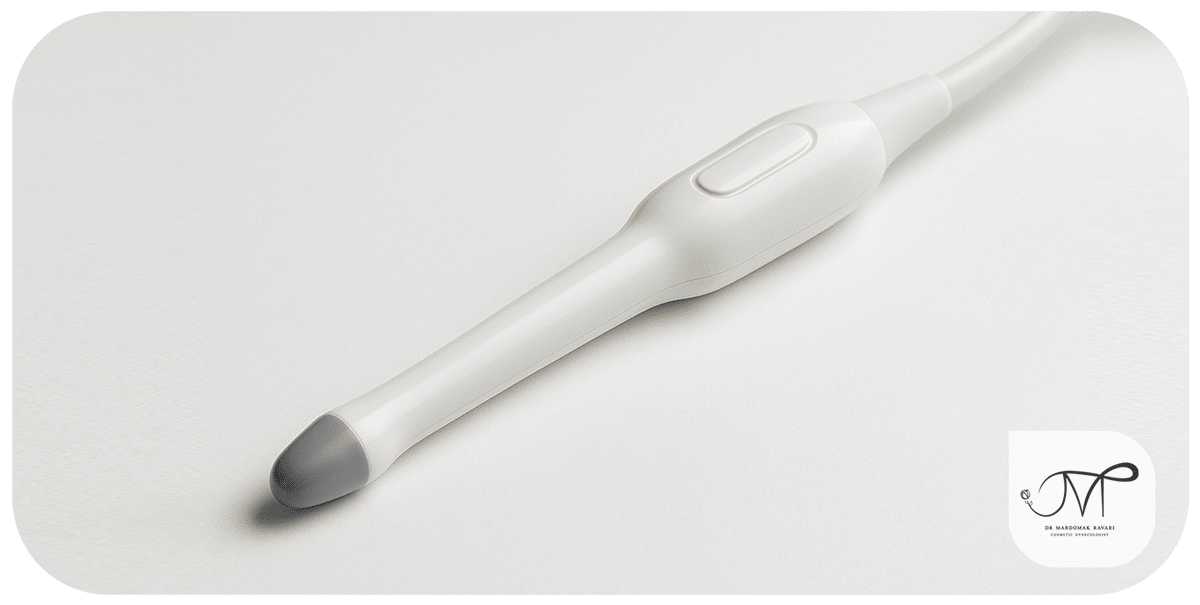
Diagnosis combines clinical evaluation with lab and imaging tests:
- Pregnancy hormone (hCG): In normal pregnancy, hCG doubles every ~48 hours; slower rise suggests ectopic.
- Transvaginal ultrasound: Absence of an intrauterine sac despite elevated hCG is a red flag.
- Pelvic exam: May reveal tenderness or an adnexal mass.
- Blood tests: Assess anemia or blood loss.
- Diagnostic laparoscopy: Direct visualization when diagnosis is uncertain.
Treatment options
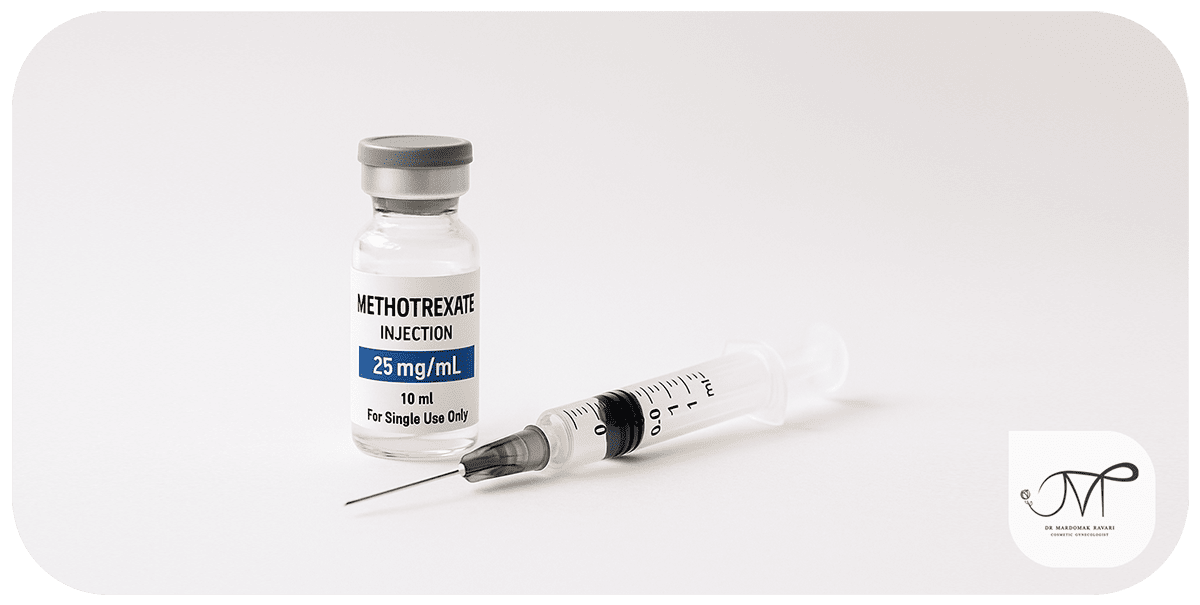
Management depends on pregnancy location, size, hCG levels, and patient stability.
-
Medical treatment
- Methotrexate: stops cell growth and dissolves pregnancy tissue.
- Best for small, unruptured ectopic pregnancies with low hCG.
- Pros: avoids surgery, preserves the tube.
- Cons: requires strict follow-up and serial hCG monitoring.
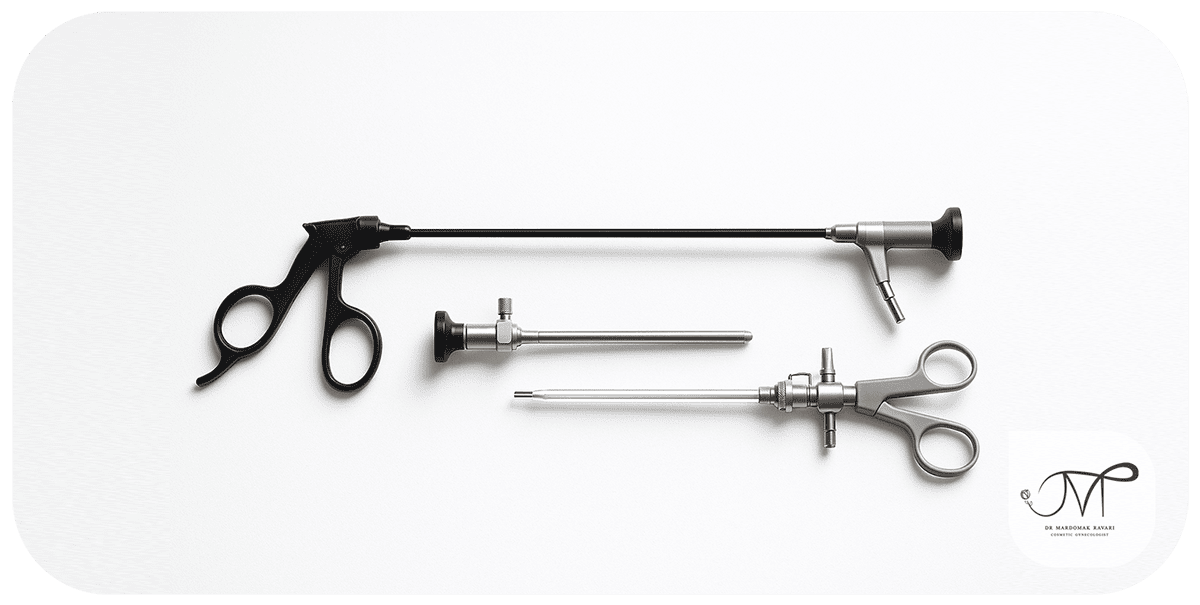
-
Surgical treatment
- Laparoscopy: the most common method, removing the pregnancy with or without the tube.
- Laparotomy: required in emergencies with heavy internal bleeding.
-
Expectant management
In rare cases with falling hCG and no symptoms, careful observation is possible.
Complications if untreated
- Ruptured fallopian tube with massive internal bleeding
- Hypovolemic shock and possible death
- Permanent tubal damage leading to infertility
- Increased risk of future ectopic pregnancy
- Emotional distress and depression after pregnancy loss
Prevention strategies
- Prompt treatment of sexually transmitted infections
- Condom use to lower STI risk
- Smoking cessation
- Careful follow-up after pelvic or tubal surgery
- Preconception counseling for women with prior ectopic pregnancy
Clinical cases
- Case 1: A 29-year-old with late period and one-sided pelvic pain had slow-rising hCG and no intrauterine sac. Treated with methotrexate, tube preserved.
- Case 2: A 35-year-old with sudden abdominal pain and low blood pressure was found to have a ruptured tube with massive internal bleeding. Emergency surgery required tube removal.
- Case 3: A 32-year-old with prior pelvic inflammatory disease had a right tubal ectopic. Managed by laparoscopic removal; later achieved a successful intrauterine pregnancy with close monitoring.
Key takeaway
Ectopic pregnancy is a serious emergency needing rapid diagnosis and treatment. Any abnormal pain or bleeding in early pregnancy must be taken seriously. Awareness, prevention, and timely medical care save lives and protect future fertility.
References

If you suspect an ectopic pregnancy, go to the emergency room or see an OB-GYN immediately.
Fill out the consultation form now and our assistant will contact you shortly.
 FAQ
FAQ
No comments have been posted.
Your email address will not be published. Required fields are marked *
Share:


