



Cervical Dysplasia | CIN Grades, Causes, and Treatment
Introduction: Why cervical dysplasia matters
Cervical dysplasia refers to abnormal changes in the cells covering the cervix. These changes are often silent, but if left untreated, they can progress to cervical cancer. The importance lies in the fact that dysplasia is usually detectable and treatable at early stages, and with regular screening its progression can be prevented.
Many women may live with these changes for years without knowing, until a routine Pap smear reveals the abnormality. This is why awareness and regular gynecological check-ups are key to prevention.
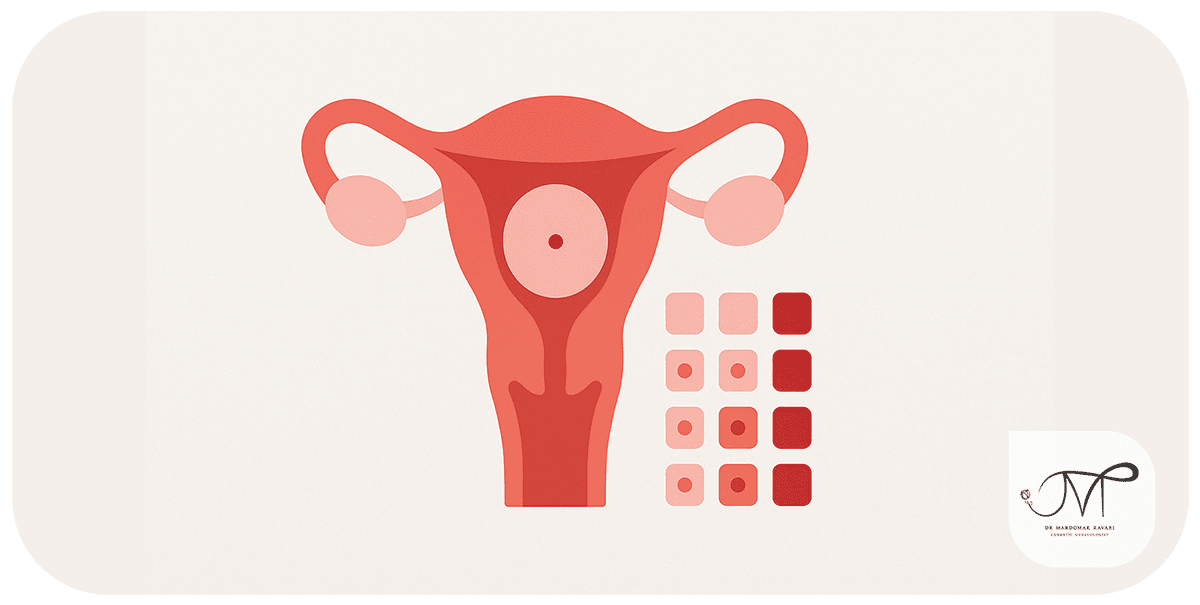
Definition explained simply
Dysplasia means “abnormality or irregularity” in cell structure. In the cervix, it usually results from persistent infection with high-risk human papillomavirus (HPV). Based on the severity of cellular changes, cervical dysplasia is classified into three grades:
- CIN 1 (mild): changes limited to the surface layers of cells, often resolve spontaneously.
- CIN 2 (moderate): changes extend into the middle layers, requiring closer follow-up or treatment.
- CIN 3 (severe): changes involve the full thickness of the cervical lining, considered a precancerous stage before invasive cancer.
Causes and risk factors
Main causes
- Persistent infection with high-risk HPV types (16, 18, 31, 33, etc.) that alter cellular DNA.
- Weak immune system that fails to clear HPV effectively.
Risk factors
- Early onset of sexual activity
- Multiple sexual partners or a partner with high-risk history
- Smoking (reduces local cervical immunity)
- Other STIs such as chlamydia or HIV
- Lack of regular Pap smear or HPV-DNA screening
- Long-term oral contraceptive use without periodic monitoring
Symptoms and clinical signs
Cervical dysplasia is usually asymptomatic, which makes screening essential. In some cases, patients may show symptoms related to associated conditions, such as:
- Spotting or bleeding after intercourse
- Abnormal vaginal discharge (sometimes foul-smelling or blood-stained)
- Mild pelvic pain or pressure
These signs are not specific to dysplasia but should trigger thorough evaluation.
Diagnostic methods

- Pap smear: simple, low-cost screening test examining cervical cells for abnormalities. Abnormal results need further work-up.
- HPV-DNA test: identifies presence of high-risk HPV strains. Used in combination with Pap smear for higher accuracy.
- Colposcopy: detailed visual inspection of the cervix using a specialized microscope and diagnostic solutions.
- Cervical biopsy: tissue sampling of abnormal areas for microscopic examination to confirm CIN grade.
Treatment options
Treatment depends on CIN grade, patient’s age, fertility desires, and test results.
Conservative management:
– CIN 1 is often managed with careful monitoring every 6–12 months, as many cases regress spontaneously.
Interventional treatments:
- Cryotherapy: freezing abnormal cells
- Laser therapy: vaporizing abnormal tissue
- LEEP (Loop Electrosurgical Excision Procedure): removing abnormal tissue with a thin electrical wire loop
- Conization: surgical removal of a cone-shaped section of the cervix, often used for CIN 2 and CIN 3

Complications of untreated dysplasia
If moderate or severe dysplasia (CIN 2 or CIN 3) is not treated, the risk of progression to invasive cervical cancer increases significantly. This process may take years, but in some cases it can advance faster. Chronic cellular changes may also cause recurrent bleeding, persistent infections, and fertility issues.
Prevention strategies

- HPV vaccination between ages 9 and 26
- Condom use to reduce HPV transmission
- Quitting smoking
- Regular Pap smear and HPV-DNA testing
- Practicing safer sexual behavior and maintaining stable relationships
Clinical examples
Case 1: A 29-year-old woman had CIN 1 detected in a routine Pap smear. After 6 months of follow-up, her cervical cells returned to normal without intervention.
Case 2: A 41-year-old woman with postcoital bleeding had CIN 3 confirmed via colposcopy and biopsy. She underwent conization and remained disease-free after one year.
Case 3: A 35-year-old woman with HIV was diagnosed with CIN 2. Because of her weakened immunity, LEEP was performed and close follow-ups every 3 months were arranged.
Conclusion
Cervical dysplasia is a serious but manageable warning sign. With regular screening, timely treatment, and preventive measures, the risk of cervical cancer can be greatly reduced. Awareness, proactive action, and continuous monitoring are the three keys to protecting cervical health.
References

Overdue for a Pap smear?!
Fill out the consultation form now and our assistant will contact you shortly.
 FAQ
FAQ
No comments have been posted.
Your email address will not be published. Required fields are marked *


