



Ovarian Cysts: Types, Symptoms, and Treatment Options
Introduction – What Are Ovarian Cysts and Why Are They Important?
An ovarian cyst is a fluid-filled or semi-solid sac that develops inside or on the surface of an ovary. Many women experience ovarian cysts at least once during their reproductive years, often without knowing it. Most cysts are benign, symptom-free, and resolve without treatment. However, some can enlarge, rupture, or interfere with ovarian function, causing pain or complications. Rarely, cysts may lead to serious problems such as ovarian torsion, rupture, or even malignancy.
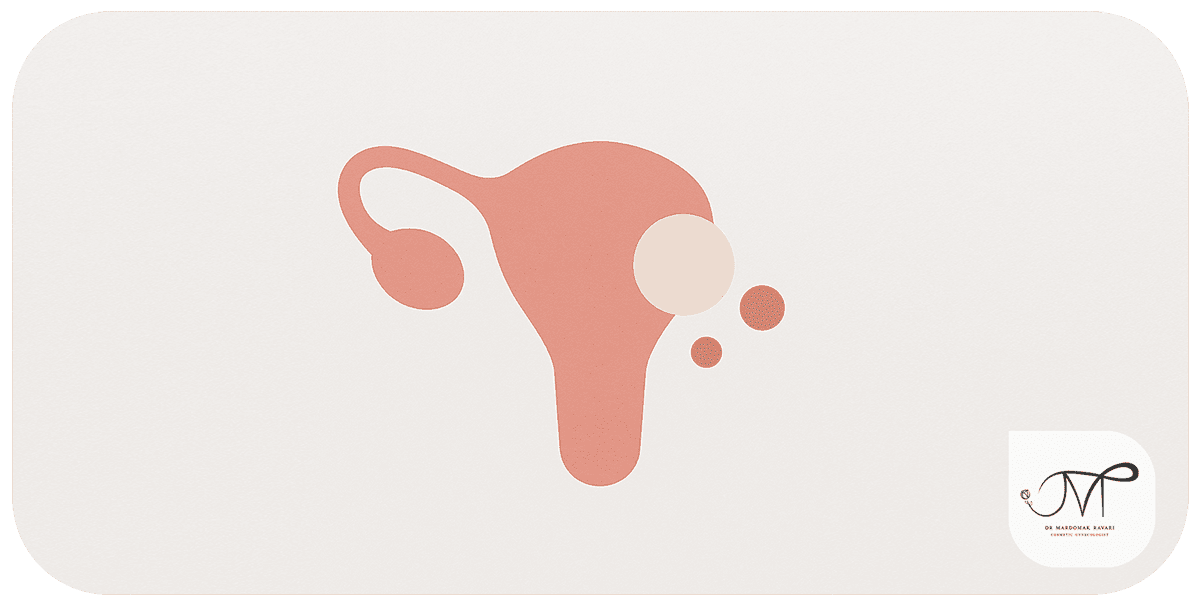
Understanding the types of cysts, their symptoms, and available treatments helps women make informed decisions about monitoring, treatment, and prevention.
Types of Ovarian Cysts
Ovarian cysts are generally divided into two categories:
Functional (Physiological) Cysts
These are normal and develop as part of the ovulation cycle. They are usually harmless and resolve spontaneously.
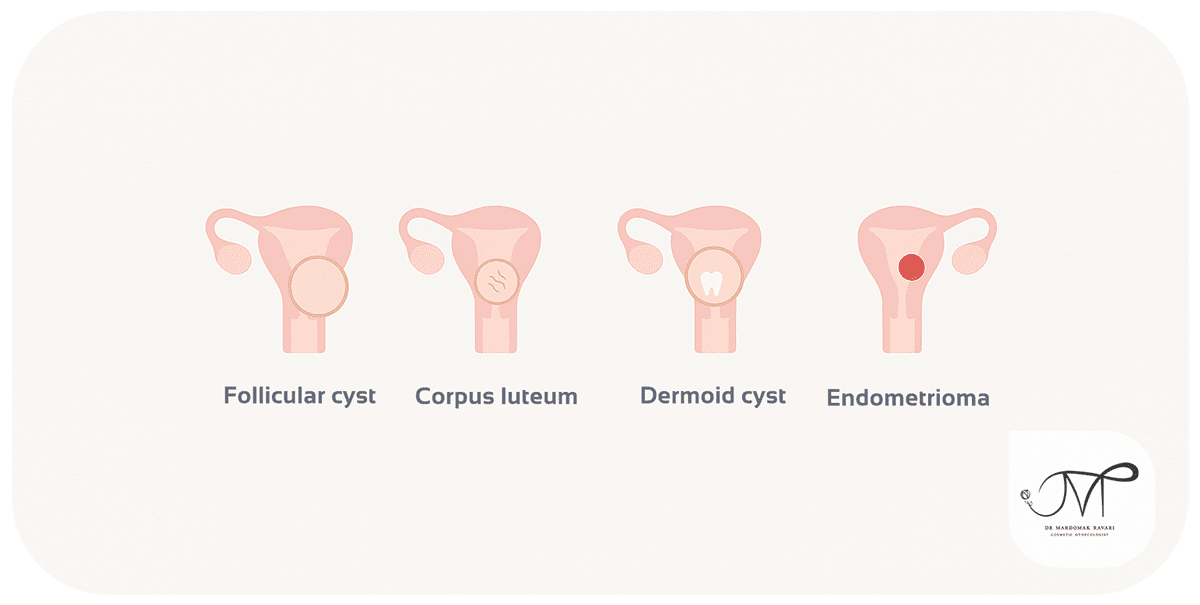
- Follicular cyst: occurs when a follicle fails to release an egg and keeps growing. Typically small and disappears within weeks.
- Corpus luteum cyst: forms after ovulation when the follicle seals and fills with fluid. If it ruptures, it may cause sudden pain and internal bleeding.
Non-Functional (Pathological) Cysts
These are unrelated to the menstrual cycle and may require treatment or surgery.
- Dermoid cyst (teratoma): originates from embryonic cells and may contain hair, fat, teeth, or bone tissue. Usually benign, but large ones or those causing torsion must be surgically removed.
- Endometrioma: linked to endometriosis, containing old menstrual blood (“chocolate cyst”). Often associated with severe pain and reduced fertility.
- Cystadenoma: a thin-walled cyst filled with watery or sticky fluid. Usually benign but can grow large enough to press on other organs.
- Malignant cysts: rare, but some cysts, especially in postmenopausal women or high-risk patients, may signal ovarian cancer and require urgent evaluation.
Common Symptoms of Ovarian Cysts

Most cysts cause no symptoms and are detected incidentally during ultrasound. When symptoms occur, they may include:
- Lower abdominal or pelvic pain (one-sided or both).
- Pelvic pressure or heaviness.
- Pain during intercourse.
- Pain during bowel movements or urination.
- Menstrual changes (delays, heavy bleeding, or spotting).
- Nausea or vomiting (in acute cases).
- Sudden severe pain with nausea and low blood pressure (possible torsion or rupture, requiring emergency care).
Diagnosis of Ovarian Cysts
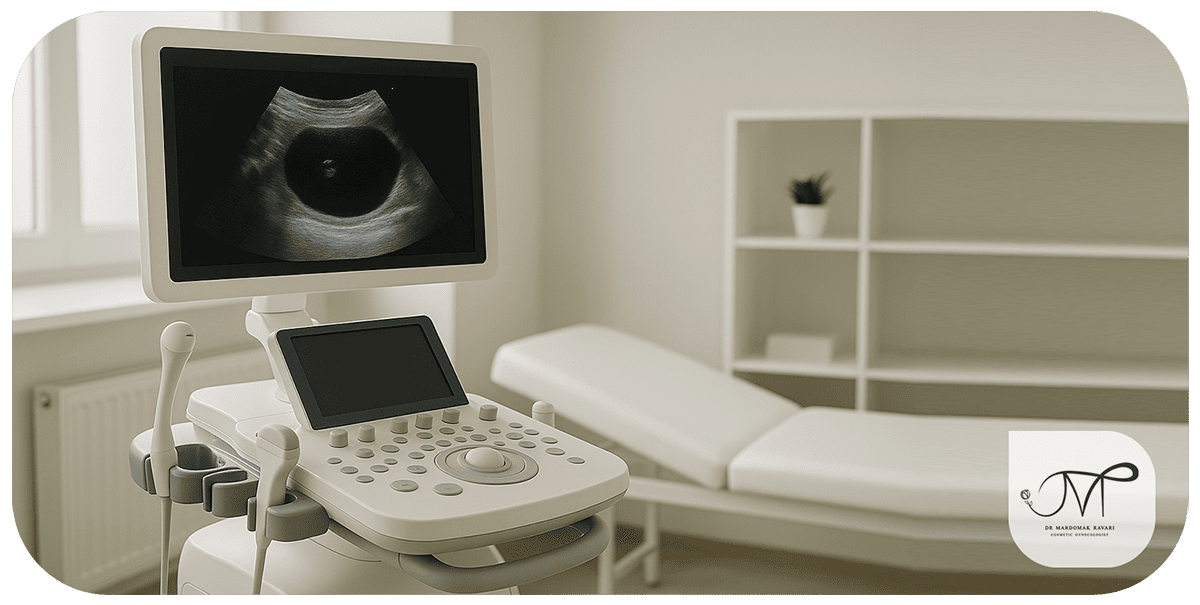
Doctors usually follow these steps for diagnosis:
- Pelvic exam: to check for masses or tenderness.
- Ultrasound (transvaginal or abdominal): provides detailed images of cyst size, location, and type; main diagnostic tool.
- Blood test (CA-125): useful in suspected malignant cases, especially in postmenopausal women or those with a family history of cancer.
- MRI or CT scan: for complex cases when ultrasound is inconclusive.
Treatment Options for Ovarian Cysts

Expectant management:
– For functional or simple cysts, monitoring with repeat ultrasounds is often enough. Many resolve within 6–8 weeks.
Medical treatment:
- Birth control pills: may prevent new cyst formation.
- Pain relievers: for mild discomfort.
- Hormonal or anti-inflammatory medications in selected cases.
Surgical treatment:
- Laparoscopy: minimally invasive removal of small or torsion-prone cysts.
- Laparotomy: required for very large cysts or suspected malignancy; may involve removal of the ovary if necessary.
Ovarian Cysts and Pregnancy
Cysts can appear during pregnancy, but most are harmless and resolve on their own. Some may require monitoring or even surgery if complications arise. Emergency evaluation is necessary in case of sudden pain or maternal health changes.

Endometriomas and large cystadenomas can affect fertility by disrupting ovulation or implantation. In such cases, treatment before attempting pregnancy is advised.
Summary
Many cases of ovarian cysts are initially mistaken for other uterine conditions such as endometriosis (when uterine tissue grows outside the uterus), adenomyosis, or uterine fibroids, since they share similar symptoms like pelvic pain, heavy menstrual bleeding, or infertility. In endometriosis, uterine tissue grows outside the uterine cavity and may form special cysts called endometriomas—commonly known as “chocolate cysts.” Meanwhile, adenomyosis and fibroids can sometimes appear similar to cysts on ultrasound or MRI. Understanding these differences is essential for accurate diagnosis and proper treatment, especially for women planning pregnancy or suffering from chronic pelvic pain.
In some cases, ovarian cysts may coexist with other conditions such as endometrial polyps or infertility. Endometrial polyps often cause irregular bleeding and may appear alongside hormonal cysts. On the other hand, some cysts—like endometriomas or large functional cysts—can impair ovulation or embryo implantation, leading to infertility. Therefore, timely diagnosis and treatment are crucial, particularly for young women planning to conceive. Consulting a gynecologist and undergoing detailed assessments such as transvaginal ultrasound are the best ways to differentiate cysts from polyps or other uterine disorders.
Ovarian cysts are common but usually benign. Understanding the different types, recognizing warning signs, and seeking medical attention early can prevent serious complications. Regular checkups and maintaining a healthy lifestyle play a vital role in managing this condition. In specific cases, timely treatment can help prevent infertility or other major health issues.
References
- Mayo Clinic – Ovarian Cysts Overview
- WebMD – Types of Ovarian Cysts
- UpToDate – Evaluation and Management of Ovarian Cysts

Signs of an ovarian cyst? Time for a check-up!
Fill out the consultation form now and our assistant will contact you shortly.
 FAQ
FAQ
No comments have been posted.
Your email address will not be published. Required fields are marked *


