



Chlamydia Infection: A Comprehensive Guide for the Public
Introduction
Chlamydia is one of the most common bacterial sexually transmitted infections (STIs), caused by the bacterium Chlamydia trachomatis. In many cases, it produces no symptoms and can remain unnoticed in the body for months or even years. According to statistics:
- Global prevalence: more than 120 million new cases annually.
- In Iran: 5–15% among young sexually active individuals.
- Asymptomatic infections: 70–90% in women and about 50% in men.
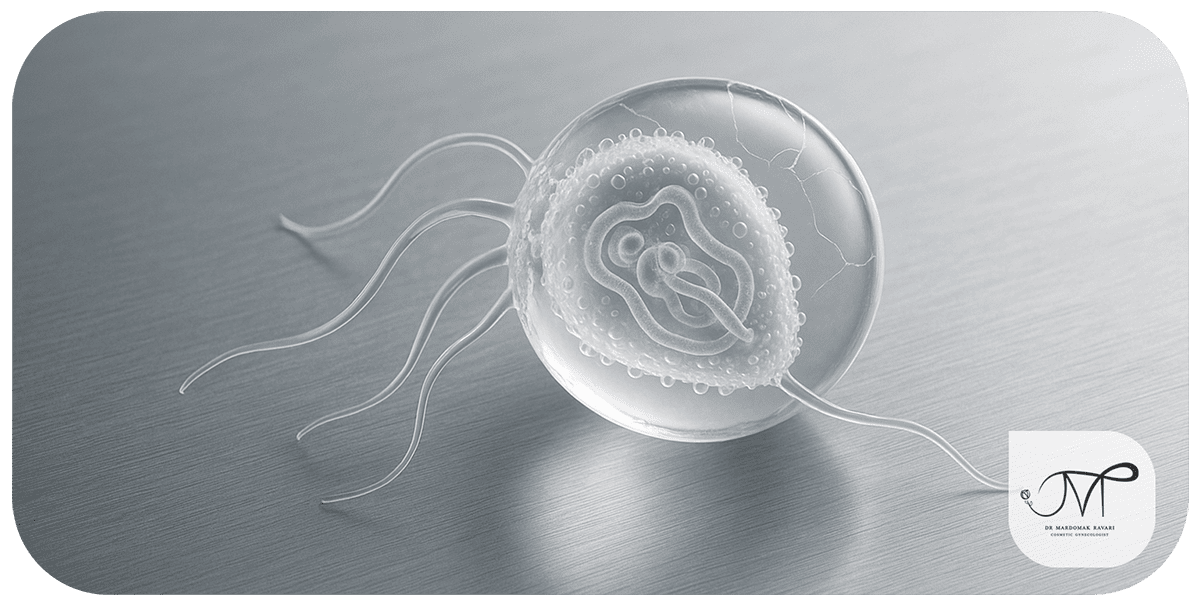
If untreated, chlamydia can lead to serious complications such as pelvic inflammatory disease (PID), infertility, and ectopic pregnancy. This article explains in simple terms the ways of transmission, symptoms, diagnosis, treatment, and prevention.
Transmission of Chlamydia
- Unprotected sexual intercourse: vaginal, anal, or oral. The bacterium spreads through contact with vaginal secretions or urethral discharge.
- Mother-to-child transmission: during vaginal delivery, it can cause eye infections (conjunctivitis) or pneumonia in newborns.
- Contact with contaminated objects: rare; for example, shared towels or contaminated sex toys.

Note: Condom use prevents about 90% of vaginal-to-vaginal or vaginal-to-anal transmission
Causes and Risk Factors
- Young age: people aged 15–24 are most at risk.
- Multiple partners: the more partners, the higher the risk.
- History of other STIs: having another STI increases susceptibility.
- Lack of awareness: insufficient knowledge about prevention methods.
Symptoms and Signs
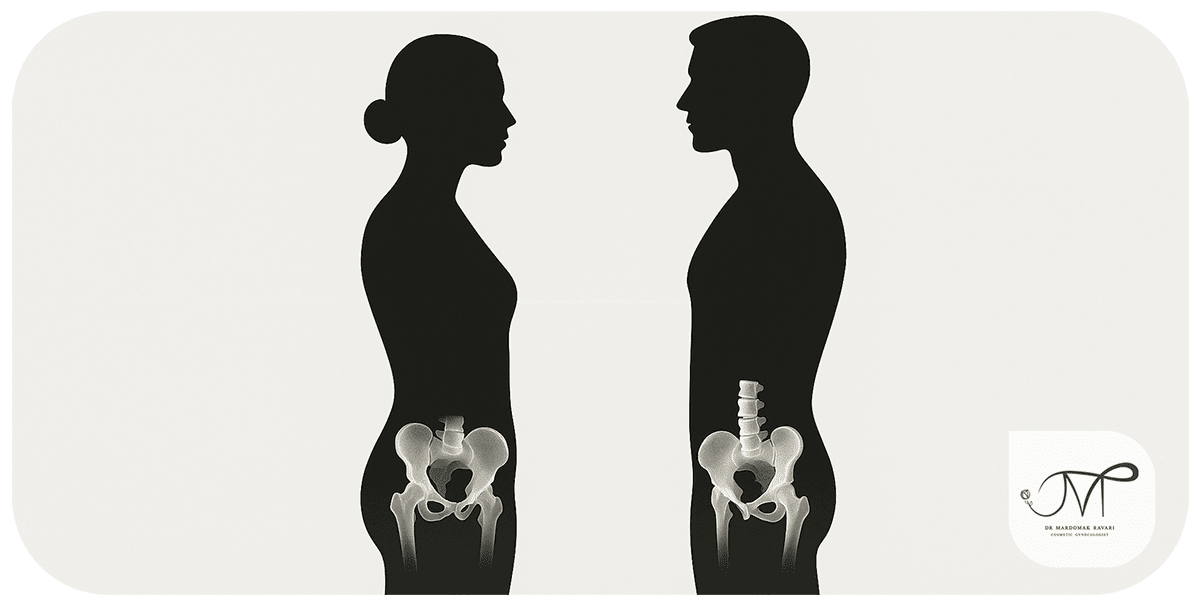
In women
– Abnormal vaginal discharge: watery, milky, or bloody.
– Pain or burning during urination.
– Bleeding between periods or after intercourse.
– Pain or pressure in the lower abdomen.
– Often asymptomatic in the early stages.
In men
– Urethral discharge: clear or milky.
– Pain or burning during urination.
– Testicular pain or swelling (epididymitis).
– Asymptomatic in about half of cases.
Secondary complications if untreated
– Pelvic inflammatory disease (PID): when infection spreads to the uterus and fallopian tubes, causing severe pain, fever, and sometimes infertility.
– Inflammation of the testicles and sperm ducts: swelling and pain behind the testicles when the infection spreads.
Diagnosis of Chlamydia
PCR test
The most accurate method: detects Chlamydia trachomatis DNA from urine or vaginal/urethral swab samples.
Bacterial culture
Uses a special medium; more time-consuming but useful in specific cases.
Serology (antibody test)
Detects antibodies against chlamydia; mainly used for chronic or past infections.
Recommendation: Individuals under 25 or at high risk should undergo annual screening.
Definitive Treatment
One effective complementary method for this infection is vaginal laser therapy.
First-line antibiotics
– Azithromycin
– Doxycycline (100 mg)
Importance of treating partners
Both partners should receive treatment simultaneously, regardless of test results, to prevent reinfection.
Follow-up and retesting
A repeat test three months after treatment ensures the infection is cleared.
Alternative treatments
Azithromycin extended-release or Ofloxacin can be used in case of allergies or contraindications.
Prevention of Chlamydia

- Condom use: consistent and correct use during all sexual activity.
- Regular screening: especially for people under 25 and those with multiple partners.
- Education and awareness: in schools and health centers.
- Limiting partners: stable, monogamous relationships reduce risk.
Consequences and Complications
- Infertility: 10–15% of women with PID caused by untreated chlamydia may become infertile.
- Miscarriage or ectopic pregnancy: due to damage to the fallopian tubes.
- Increased risk of HPV and HIV: chlamydia can raise the risk of contracting other infections.
Life After Chlamydia
- Self-care: completing the full treatment course and using condoms.
- Recognizing recurrence: pay attention to new discharge or pain.
- Ongoing medical care: maintain follow-up appointments and screenings.
Clinical Case Examples
Case 1:
A 23-year-old woman presented with watery discharge and mild pelvic pain.
PCR testing confirmed chlamydia infection.
She was treated with a single dose of azithromycin, and at the three-month follow-up, her test was negative with no complications reported.
Case 2:
A 28-year-old man experienced painful urination and mild discharge.
He was successfully treated with a full course of doxycycline, and three-month follow-up confirmed eradication of the infection.
Summary and Final Recommendations
Understanding chlamydia infection is just one aspect of sexual health awareness.
Many patients may be coinfected with other conditions such as HPV, genital herpes (HSV), or gonorrhea.
Reading comprehensive guides on other sexually transmitted infections (HPV, herpes, gonorrhea) helps individuals recognize overlapping symptoms and seek proper treatment.
One key topic in sexual health education is understanding the difference between bacterial and viral infections:
bacterial STIs like chlamydia and gonorrhea are curable with antibiotics, while viral infections such as HPV and herpes can only be controlled, not cured.
In both cases, early diagnosis and simultaneous treatment of sexual partners are essential to prevent transmission and recurrence.
Maintaining safe sexual practices and proper condom use play a vital role in preventing chlamydia and other STIs.
Using condoms in every sexual encounter — including oral or anal sex — reduces transmission risk by up to 90%.
However, individuals who have had unprotected sex in the past should prioritize annual STI screening, especially those under 25, as this age group has the highest infection rates.
If left untreated, bacterial infections can lead to infertility caused by sexually transmitted diseases, particularly in women due to the vulnerability of fallopian tubes.
Annual check-ups, responsible sexual behavior, and regular visits to a healthcare provider are the best ways to protect reproductive health and prevent long-term complications.
Chlamydia is a common and often asymptomatic STI, but it is easily treatable and entirely preventable with antibiotics.
Condom use, sexual health education, and regular screening are the keys to maintaining sexual and reproductive well-being.
If you experience any symptoms or have concerns, consult your doctor promptly.
References
- CDC. (2022). STI Treatment Guidelines: Chlamydia.
- WHO. (2016). Global Strategy for Prevention and Control of STIs.
- UpToDate. (2023). Chlamydia trachomatis infection: Clinical features and management.

No symptoms? Get screened!
Fill out the consultation form now and our assistant will contact you shortly.
 FAQ
FAQ
No comments have been posted.
Your email address will not be published. Required fields are marked *


