



Arousal Disorders | Causes, Symptoms, Diagnostics and Treatments
Introduction
Healthy sexual function generally follows three core phases: desire, arousal, and orgasm. When any of these phases is disrupted, sexual quality of life and relationship satisfaction suffer. A common problem is arousal disorders. In this condition, a person has desire but cannot reach adequate arousal or cannot maintain it.
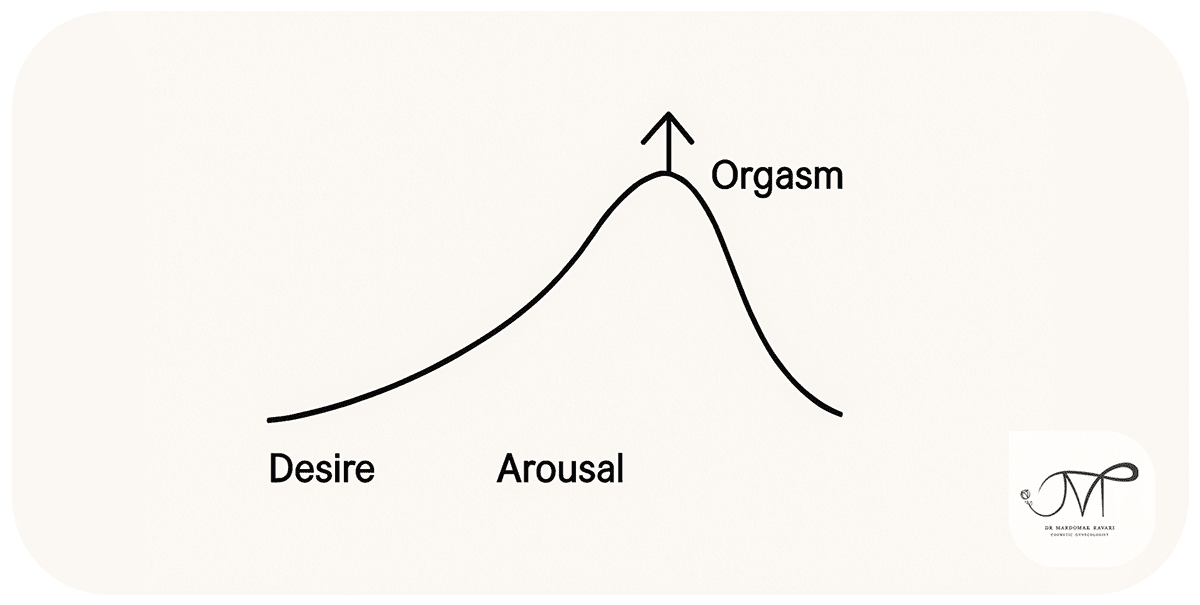
What is an arousal disorder?
An arousal disorder occurs when a person
- Cannot experience physical or psychological arousal despite having desire
- Loses arousal quickly or fails to become aroused at all
In women this often appears as inadequate lubrication dryness. In men it commonly presents as erectile difficulty.
Types of arousal disorders
In women
- Female Sexual Arousal Disorder FSAD: inability to achieve or sustain sufficient arousal
- Symptoms may include vaginal dryness, lack of warmth and increased genital blood flow sensation, or difficulty reaching orgasm despite stimulation
In men
- Erectile Dysfunction ED: inability to achieve or maintain an erection sufficient for intercourse
- Some men also report reduced physical responses to stimulation even when desire is present
Causes of arousal disorders
Physical factors
- Cardiovascular disease leading to reduced blood flow
- Diabetes
- Hormonal issues such as low testosterone or estrogen
- Medications including antidepressants, antihypertensives, some cancer drugs
- Vaginal dryness after menopause or childbirth
Psychological factors
- Performance anxiety fear of not succeeding in sex
- Depression or high stress
- Negative experiences or trauma
- Poor body image or reduced self confidence
Relationship factors
- Lack of emotional intimacy with a partner
- Unresolved conflicts or frequent arguments
- Pressure or coercion around sexual activity
Symptoms of arousal disorders
- Women: vaginal dryness, lack of arousal sensations, or difficulty reaching orgasm
- Men: difficulty achieving or maintaining an erection
- All genders: reduced pleasure, frustration, and anxiety about sex
- Relationship impact: emotional distance and strain between partners
How arousal disorders are diagnosed
- Clinical interview covering sexual, psychological, and medical history
- Blood tests to evaluate hormones testosterone, estrogen, thyroid
- General health assessment blood pressure, diabetes, heart disease
- Validated questionnaires such as female or male sexual function indices
Treatment of arousal disorders
Important note: counselling should be the first step.
-
Lifestyle changes
- Regular exercise to improve circulation and energy
- Quit smoking and reduce alcohol
- Healthy diet rich in vegetables, whole grains, and lean protein
- Adequate sleep and stress reduction
-
Psychological therapy
- Individual counselling or couples therapy
- Treatment for performance anxiety
- Mindfulness techniques to focus on present moment pleasure
-
Medical and pharmacologic therapy
- Hormone therapy such as topical or systemic estrogen and, when appropriate, newer agents like flibanserin
- Testosterone based therapies only under medical supervision
- Treating underlying hormonal problems such as hypothyroidism or low testosterone
-
Newer treatments for arousal disorders
In recent years, options beyond classic medication or talk therapy have expanded. These approaches target physiology, blood flow, tissue regeneration, and enhanced sexual sensation.
-
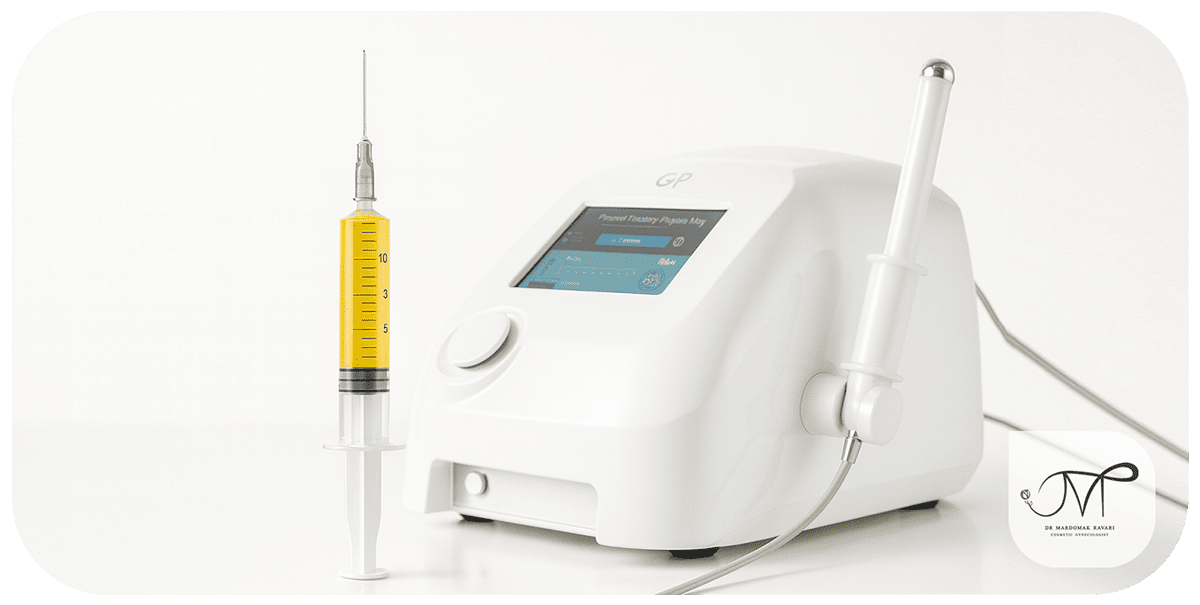
Laser and radiofrequency RF in women
- How it works
Energy delivered to the vaginal wall stimulates collagen production and improves blood flow. Results include more moisture, flexibility, and less dryness.
- Advantages
- No surgery
- Short downtime
- Gradual improvement over several sessions
- Main use
Women with postmenopausal or postpartum dryness and reduced arousal
-
PRP platelet rich plasma
- How it works
A small sample of the patient’s blood is processed to concentrate platelets, then injected into genital tissues to support vascular and neural repair.
- Advantages
- Autologous and generally low risk
- May improve sensation and blood flow
- Applicable to women and men
- Main use
Women with poor response to stimulation and men with erectile problems
-
Newer medications that enhance desire and arousal in women
- Flibanserin Addyi: an oral agent acting on central neurotransmitters to improve desire and sexual response
- Bremelanotide Vyleesi: an on demand injectable used before sexual activity to enhance arousal
- Note
These require a prescription and are not suitable for everyone
-
Medical devices for men
- Vacuum erection devices to draw blood into the penis and help maintain erection
- Intracavernosal injections such as prostaglandin for cases unresponsive to pills
- Penile implants a surgical option for refractory erectile dysfunction
-
Stem cell therapy under investigation
- How it works
Injection of stem cells into genital tissues to promote vascular and nerve regeneration
- Advantages
Early results are promising better erections in men and improved arousal in women
- Status
Still investigational and not widely available
-
Mindfulness and neurofeedback
- Mindfulness
Training present moment awareness to reduce anxiety and improve arousal, particularly helpful for women
- Neurofeedback
A brain training approach that may reduce performance stress and improve focus on pleasurable sensations
-
Multidimensional combination care
Best outcomes often require combining
- Psychological therapy to reduce anxiety and improve communication
- Modern medical options laser, PRP, newer medications
- Lifestyle changes exercise, nutrition, smoking cessation
Summary
Modern therapies for arousal disorders bring new hope to people who have struggled for years. From laser and PRP to novel medications and even regenerative techniques, the shared goal is to restore blood flow, sensation, and sexual confidence.
Prevention and self-care for arousal disorders
Arousal disorders rarely appear out of nowhere. Unhealthy lifestyle, daily stress, medical conditions, and relationship issues often blunt sexual responses. Following a few basics can prevent or lessen problems.
-
Protect physical health
- Regular exercise at least 150 minutes of aerobic activity weekly such as brisk walking or cycling improves circulation and sexual response in all genders
- Control chronic diseases diabetes, hypertension, high cholesterol
- Quit smoking and limit alcohol smoking narrows vessels and reduces blood flow, alcohol impairs hormonal and psychological function
- Eat a heart healthy diet fruit, vegetables, whole grains, lean proteins
-
Care for mental health
- Stress management deep breathing, meditation, and yoga support arousal
- Treat depression and significant anxiety with professional help
- Mindfulness during intimacy increases presence and pleasure
-
Strengthen partner connection
- Honest conversation many sexual problems persist due to limited communication. A simple statement like when I am exhausted, I need more time can prevent misunderstandings
- Nonsexual intimacy hugging, holding hands, massage, or a quiet dinner fosters closeness and sets the stage for arousal
- Avoid pressure sex should be mutually desired, not an obligation, which feeds performance anxiety

-
Self-care for women
- Use quality water-based lubricants for dryness
- Pelvic floor exercises Kegels to support circulation and sexual sensation
- Consult a clinician about postpartum or menopausal hormonal changes
-
Self care for men
- Maintain a healthy weight especially reducing abdominal obesity to improve blood flow
- Combine strength and aerobic training to support natural testosterone and vascular health
- Avoid indiscriminate use of medications or supplements that may impair sexual function
-
Build a healthy sexual routine
- Schedule intimacy some couples feel less anxious with planned time windows
- Add variety varying location, timing, or style can increase excitement and arousal
- Focus on quality rather than quantity a relaxed, satisfying encounter is more valuable than frequent but unfulfilling encounters
Daily and weekly self care checklist
- At least 30 minutes of physical activity daily
- Seven to eight hours of nightly sleep
- Two weekly sessions of nonsexual intimacy time with your partner
- Daily servings of fresh fruits and vegetables
- Ten minutes of deep breathing or yoga each day
- Avoid tobacco and limit alcohol
- Seek medical advice for vaginal dryness, erectile difficulty, or pain during sex
When to see a clinician
- If arousal problems persist for three to six months
- If they cause distress or emotional distance in the relationship
- If they occur alongside diabetes, hypertension, or suspected hormonal issues
In one sentence
Preventing arousal disorders means caring for body, mind, and relationship at the same time.
Conclusion
Sexual Arousal Disorders occur when, despite having sexual desire, the body (and mind) cannot initiate or maintain an adequate physiological response.
In women, this typically appears as vaginal dryness and reduced sensitivity, while in men it manifests as erectile dysfunction.
The causes are often multifactorial—including cardiovascular or metabolic diseases, hormonal imbalances, medication side effects, performance anxiety, depression, and relationship conflicts.
Diagnosis is made through clinical interviews, medical and hormonal evaluations, and standardized questionnaires.
Effective treatment is usually multidisciplinary, combining:
- Lifestyle modification (regular exercise, proper sleep, quitting smoking or alcohol)
- Individual and couples therapy (to reduce anxiety and enhance intimacy)
- Medical interventions such as targeted hormone therapy, modern pharmacologic treatments (like flibanserin), and, in selected cases, advanced procedures including laser or RF therapy, PRP, vacuum devices, or implants (for men).
A comprehensive and consistent approach leads most patients to experience improved arousal, greater pleasure, and better relationship quality.
If symptoms persist for more than 3–6 months or are associated with underlying conditions, evaluation by a sexual medicine specialist is strongly recommended.
Similar Articles

Is arousal disorder affecting your relationship?
Fill out the consultation form now and our assistant will contact you shortly.
 FAQ
FAQ
No comments have been posted.
Your email address will not be published. Required fields are marked *


