



Uterine Prolapse Treatment Repair; Causes, Symptoms, and Treatment Options
Introduction Uterine Prolapse Treatment
Uterine prolapse is a common condition in women, especially after multiple vaginal births or with aging. It can range from a feeling of heaviness and pressure in the pelvis to difficulties in sexual activity and even urinary incontinence. Fortunately, with today’s treatment options, repairing uterine prolapse can significantly improve quality of life.
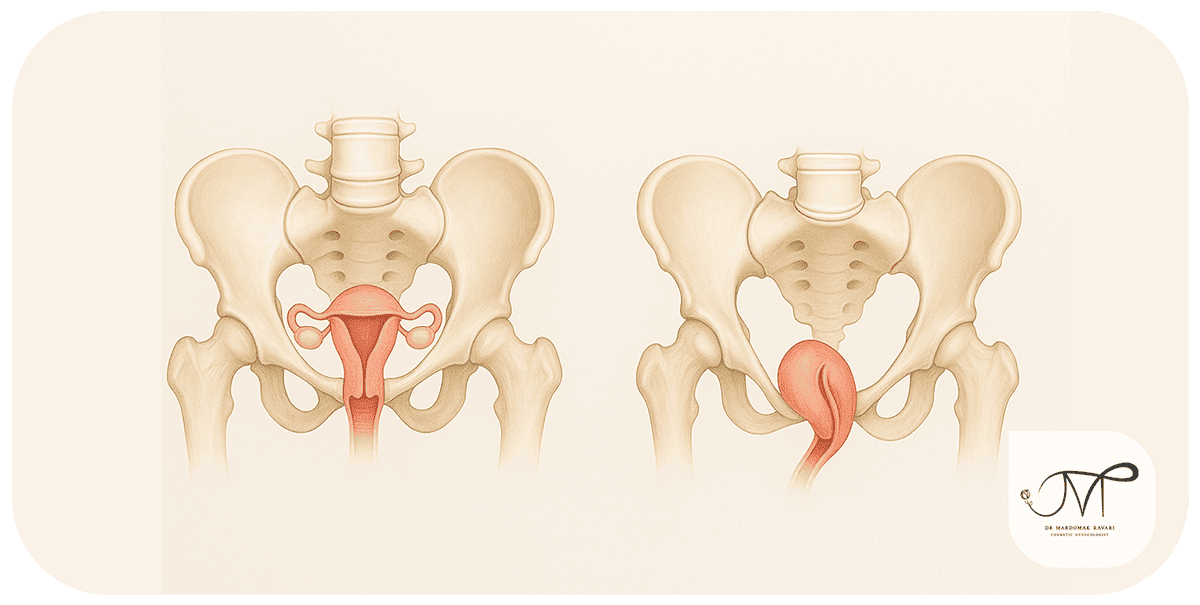
What is uterine prolapse
The uterus sits in the pelvis and is supported by the pelvic floor muscles and ligaments. These structures act like a supportive hammock that holds the uterus in place. When they weaken or become stretched, the uterus descends downward and may protrude into the vagina, or in severe cases, outside the vaginal opening. This is called uterine prolapse.
Grades of uterine prolapse
- Mild prolapse: the uterus has dropped slightly but remains within the vagina.
- Moderate prolapse: the uterus descends further and the cervix may be palpable at the vaginal entrance.
- Severe prolapse: the uterus protrudes outside the vaginal opening.
Who is at higher risk
- Women with multiple vaginal deliveries
- Postmenopausal women due to lower estrogen levels
- Those with weak pelvic floor muscles, whether genetic or lifestyle related
- People with obesity, chronic constipation, or long-standing cough
Why uterine prolapse matters
- Pelvic heaviness and pressure
- Urinary problems or difficulty with bowel movements
- Pain or discomfort during sexual intercourse
- In severe cases, a marked reduction in quality of life
Causes of uterine prolapse
- Multiple vaginal births, especially difficult deliveries or high birth-weight babies
- Aging and menopause with decreased estrogen
- Obesity and excess body weight
- Chronic constipation and repeated straining
- Chronic cough from smoking or lung disease
- Genetic predisposition with weaker connective tissue
Symptoms of uterine prolapse
Symptoms vary from subtle to severe and often worsen gradually over time.
-
Pelvic pressure and heaviness
A pulling-down sensation or a feeling of a heavy object in the pelvis
Worse after long periods of standing, walking, or lifting
-
Vaginal bulge
A visible or palpable bulge at the vaginal opening in moderate to severe cases
More noticeable with coughing, sneezing, or straining
-
Urinary issues
Stress incontinence with leakage on coughing or laughing
Sensation of incomplete bladder emptying
Urinary frequency or urgency
In severe cases, urinary obstruction
-
Bowel symptoms
Constipation or difficulty passing stool
Pressure in the rectal area
Need to strain during bowel movements
-
Pain or discomfort during sex
Due to the change in uterine position or vaginal dryness
May lower sexual desire because of discomfort
-
Low back ache
A dull backache, often in moderate to severe prolapse
Usually improves with rest
-
Incomplete emptying sensation
A feeling that the bladder or bowel does not empty completely
Leads to frequent bathroom trips
-
General signs
Pelvic fatigue or weakness
A feeling of vaginal looseness
Symptoms worsening as the day progresses
When to see a doctor
You should see a gynecologist if any of the following occur:
A visible or palpable bulge in the vagina
Significant urinary or bowel problems
Pain or discomfort during intercourse
Persistent pelvic pressure that affects daily life
Summary of symptoms
Uterine prolapse can start with mild pelvic pressure and progress to uterine protrusion outside the vagina. Earlier diagnosis often allows simpler and more effective treatment.
Treatment options for uterine prolapse
-
Lifestyle changes and prevention
Weight loss if overweight
Quit smoking to reduce chronic cough
Treat constipation with diet and adequate hydration
-
Pelvic floor exercises, also called Kegels
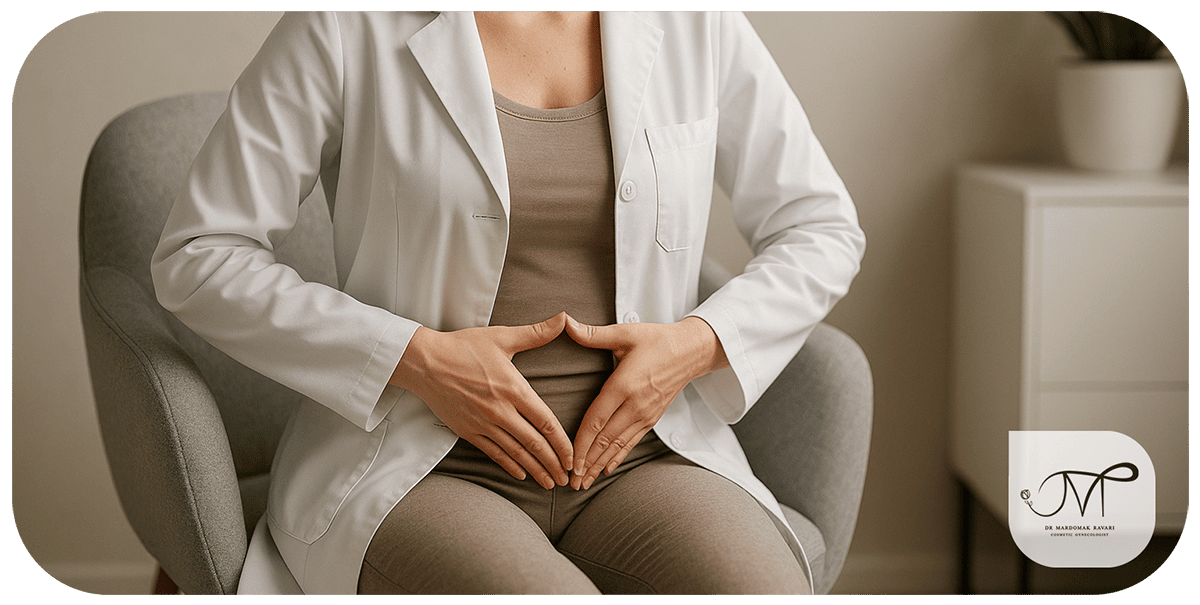
- Strengthen the muscles around the vagina and pelvis
- Very effective for mild cases
- Require daily consistency with gradual results
-
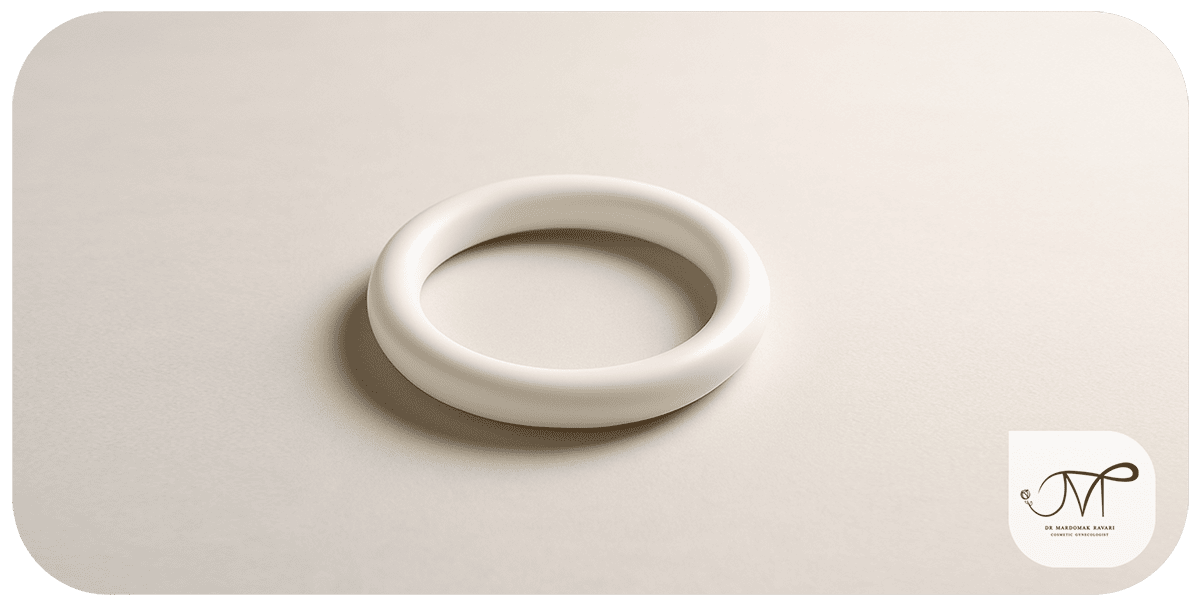
Pessary device
- A silicone or plastic device inserted into the vagina
- Supports the uterus and holds it in place
- Useful for those who cannot or prefer not to have surgery
-
Laser or RF therapies
Non-surgical methods that stimulate collagen and improve tissue support
Most helpful in mild prolapse
Minimal downtime and generally safe
-
Surgical repair
Considered for moderate to severe prolapse
Common procedures include:
Hysteropexy: repositioning and securing the uterus with sutures or mesh
Hysterectomy: removal of the uterus in select severe cases
Performed under anesthesia with a short hospital stay
Provides more durable and definitive correction
Aftercare and follow-up
- Avoid lifting heavy objects for at least six weeks after surgery or procedures as advised
- Continue pelvic floor exercises to maintain results
- Maintain vaginal hygiene and treat infections if present
- Attend regular follow-up visits to monitor progress
Patient experiences
Maryam, 48
“After menopause I felt constant heaviness. With a pessary and regular Kegels, my symptoms improved a lot.”
Elham, 55
“I had severe prolapse and needed surgery. After the operation my quality of life improved markedly and walking became easier.”
Nazanin, 40
“I tried vaginal laser. It was painless and had no downtime, and I felt better after two sessions.”
Similar Articles

If you have symptoms of uterine prolapse and are concerned about it;
Fill out the consultation form now and our assistant will contact you shortly.
 FAQ
FAQ
No comments have been posted.
Your email address will not be published. Required fields are marked *
Share:


tags: