

Primary Ovarian Insufficiency (POI): Symptoms, Causes, Treatment, and Coping
Introduction: What is primary ovarian insufficiency
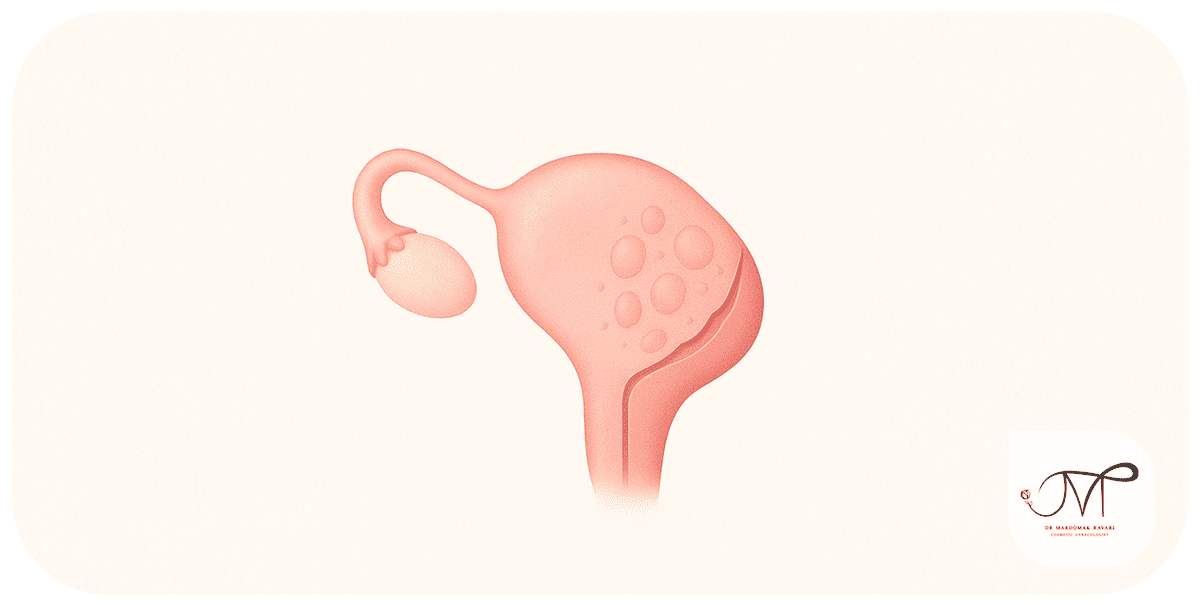
Primary ovarian insufficiency is a condition in which the ovaries lose normal function before the age of 40. The ovaries produce female hormones such as estrogen and regulate ovulation for fertility. When the ovaries fail, periods become irregular, hormone levels change, and the chance of pregnancy drops sharply. POI can lead to infertility, menopause-like symptoms, and both physical and emotional challenges. Timely diagnosis and proper management can improve quality of life.
Causes and risk factors
The exact cause is not always clear, but several factors are known:
-
Genetic factors
- Chromosomal abnormalities such as Turner syndrome or fragile X premutation.
- Family history of POI.
-
Autoimmune disease
The immune system may mistakenly attack ovarian tissue and impair its function.
-
Medical treatments
- Chemotherapy and pelvic radiation for cancer can damage ovarian cells.
- Some pelvic surgeries may compromise ovarian blood supply.
-
Environmental and lifestyle factors
- Cigarette smoking.
- Poor nutrition.
- Severe or chronic stress.
-
Unknown causes
In more than half of cases, no specific cause is identified.
Signs and symptoms
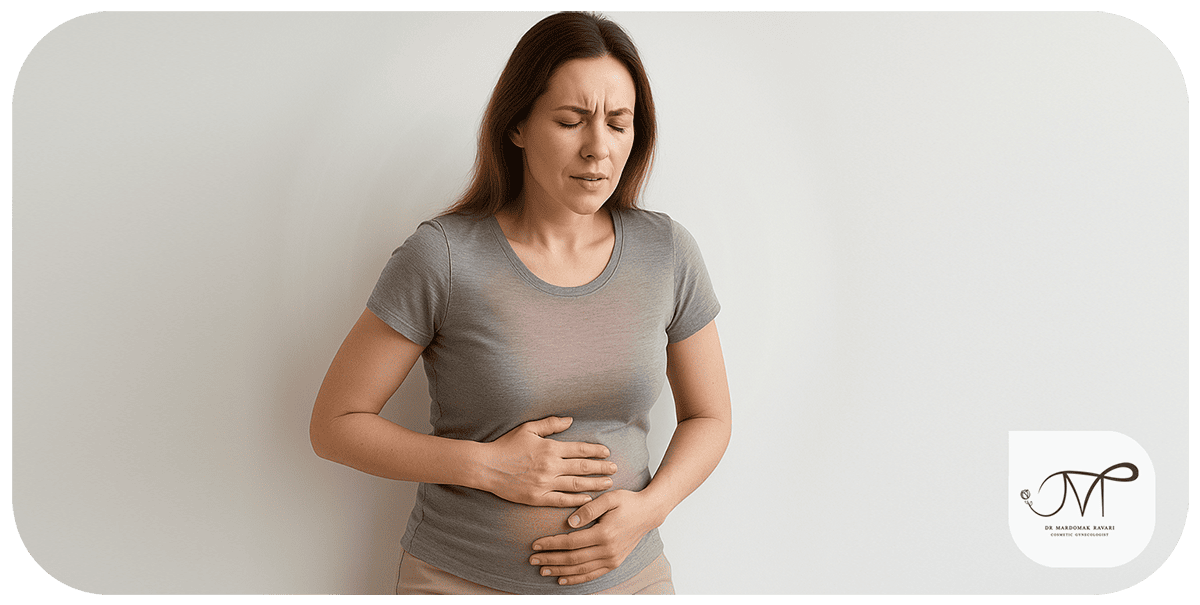
Many POI symptoms resemble menopause. Common features include:
- Irregular periods or cessation of menstruation before age 40.
- Hot flashes and night sweats.
- Vaginal dryness and pain during intercourse.
- Reduced libido.
- Mood changes such as anxiety or depression.
- Problems with focus and memory.
- Infertility or difficulty conceiving.
Important note: Some women continue to ovulate sporadically and may become pregnant unexpectedly.
How POI is diagnosed
Clinicians combine history, exam, and tests:
- Menstrual history: irregularity or missed periods.
- Blood tests:
– Elevated FSH.
– Low estrogen.
– Additional tests to assess thyroid function or screen for autoimmune disease.
- Pelvic ultrasound: evaluates ovarian size, structure, and follicular reserve.
- Genetic testing: when a chromosomal disorder is suspected.
Complications
POI affects more than fertility alone.
Physical health
- Osteoporosis due to low estrogen.
- Increased cardiovascular risk.
- Vaginal dryness and sexual dysfunction.
Mental health
- Stress and concern about infertility.
- Depression and reduced self-esteem.
Treatment and management
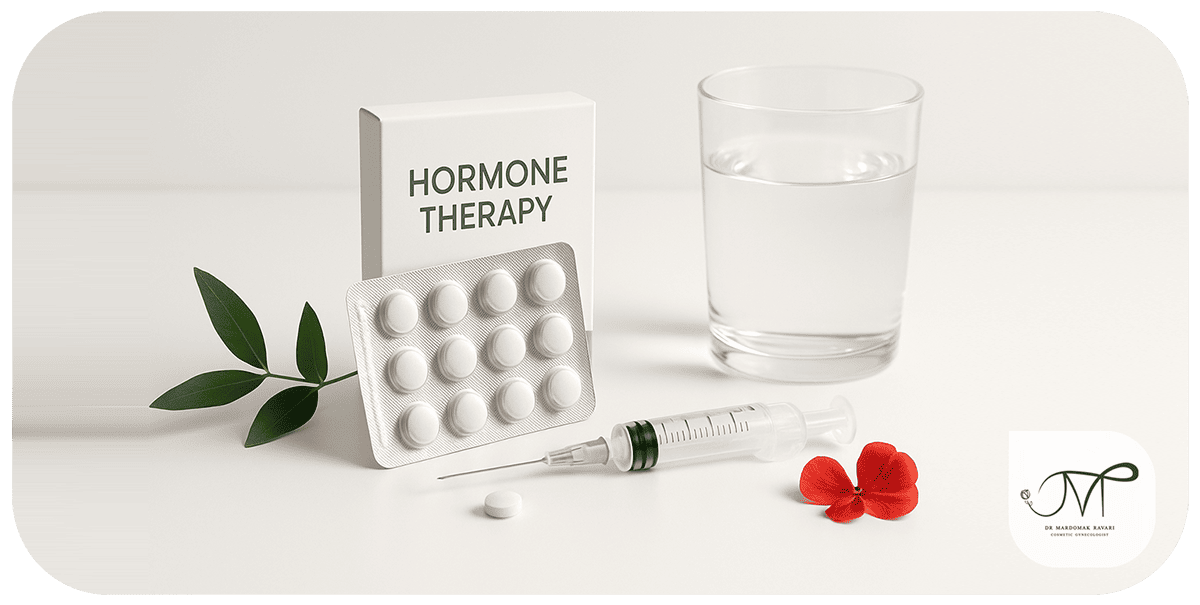
There is no definitive cure to fully restore ovarian function, but the following measures help control symptoms and prevent complications.
-
Medications
– Hormone replacement therapy Estrogen plus progestin to relieve menopause-like symptoms and protect bone health.
– Calcium and vitamin D To support bone strength.
– Psychiatric medications or supplements For clinically significant anxiety or depression, when indicated.
-
Fertility options
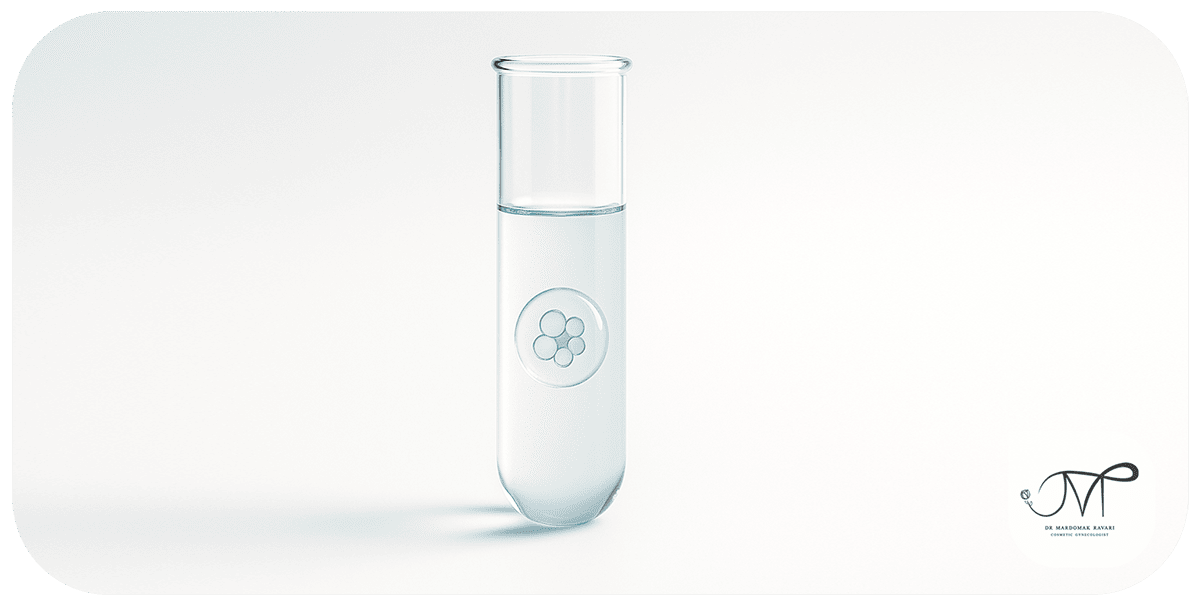
- IVF with donor eggs is the most common route to pregnancy.
- Egg or embryo freezing before gonadotoxic treatments such as chemotherapy.
-
Lifestyle measures
- Stop smoking.
- Follow a balanced diet rich in calcium and adequate protein.
- Exercise regularly to support cardiovascular and bone health.
- Manage stress with practices such as yoga or meditation.
Prevention and self-care

- Regular gynecologic checkups and hormone assessments.
- Avoid tobacco.
- Maintain a balanced, nutritious diet.
- Seek genetic counseling when there is a relevant family history.
- Consider egg preservation before treatments that may harm the ovaries.
Clinical vignettes
Case 1: POI with thyroid disease
A 28-year-old woman had several months of amenorrhea with hot flashes and vaginal dryness. Evaluation revealed POI plus thyroid dysfunction.
– Hormone therapy was started for symptom control.
– Thyroid medication was prescribed.
– She was counseled that natural conception is unlikely and that IVF with donor eggs is the most reliable option.
Takeaway: POI can coexist with other endocrine disorders such as thyroid disease, so a broad evaluation is important.
Case 2: After chemotherapy
A 33-year-old cancer survivor developed secondary amenorrhea and anovulation after chemotherapy.
– She received hormone therapy to relieve symptoms and protect bone health.
– Natural fertility was considered very unlikely.
– Donor-egg IVF was recommended as the practical path to pregnancy.
Takeaway: Chemotherapy can damage the ovaries; egg preservation before treatment is crucial when possible.
Case 3: Initially mistaken for PCOS
A 24-year-old with long-standing irregular cycles was first labeled as possible PCOS, but testing confirmed POI.
– Hormone therapy was started for symptom control.
– She was informed that intermittent ovulation might still occur and that spontaneous pregnancy, while rare, is possible.
– She planned early fertility consultation given her future family goals.
Takeaway: Not all irregular periods are PCOS; POI should also be considered.
Case 4: Genetic etiology, Turner mosaicism
A 35-year-old presented with infertility, short stature compared with peers, and increasingly irregular cycles. Workup showed a genetic cause consistent with Turner mosaicism.
– Hormone therapy began to reduce symptoms and maintain bone health.
– Natural conception was not expected, but donor-egg IVF offered a viable route.
– Cardiac evaluation was performed before treatment because associated cardiovascular issues may coexist.
Takeaway: Some genetic conditions underlie POI and warrant careful, multidisciplinary care.
Key lessons from the cases
- POI has diverse causes, from autoimmune and genetic factors to prior medical therapies.
- Although ovarian function cannot usually be restored, symptoms can be managed and assisted reproduction can enable pregnancy.
- Early diagnosis improves quality of life and keeps more fertility options on the table.
Conclusion
Primary ovarian insufficiency is a condition in which ovarian function declines before age 40, often producing menopause-like symptoms and affecting both fertility and overall wellbeing. With early diagnosis, hormone therapy, assisted reproductive options, and healthy lifestyle changes, POI can be effectively managed.
References

If you have irregular periods or signs of early menopause,
Fill out the consultation form now and our assistant will contact you shortly.
 FAQ
FAQ
No comments have been posted.
Your email address will not be published. Required fields are marked *


