



Bacterial Vaginosis (BV): Causes, Symptoms, Diagnosis, and Complete Management
Introduction
Bacterial Vaginosis (BV) is a common disruption of the vaginal microbiome, caused by an overgrowth of harmful bacteria that normally live in balance with healthy bacteria. While it may seem like a mild infection at first, untreated Bacterial Vaginosis can raise the risk of pelvic inflammatory disease (PID), preterm labor in pregnant women, and greater susceptibility to sexually transmitted infections (STIs).

Why Early Diagnosis and Treatment Matter
Identifying and treating BV promptly helps protect reproductive health and prevents long-term complications. Simple lifestyle adjustments and daily hygiene practices can also reduce the risk of recurrence.
The Role of Healthy Vaginal Bacteria
The vagina naturally hosts billions of bacteria, most of which are lactobacilli. These “good” bacteria produce lactic acid, keeping vaginal pH between 3.8–4.5 and preventing harmful organisms from multiplying.
When Balance Is Lost
Triggers such as stress, frequent douching, or broad-spectrum antibiotics can reduce lactobacilli, allowing anaerobic bacteria like *Gardnerella vaginalis* to grow unchecked. These bacteria produce foul-smelling compounds and damage vaginal lining, leading to the classic signs of Bacterial Vaginosis.
Causes and Risk Factors
Lifestyle Changes
- Vaginal douching: flushing water inside the vagina disrupts normal flora.
- Scented soaps: alkaline cleansers raise vaginal pH, reducing healthy bacteria.
Sexual Activity
- Unprotected sex: especially with a new or multiple partners, alters the vaginal microbiome.
- Spermicides or scented lubricants: may negatively affect beneficial bacteria.
Medication and General Health
- Antibiotics: overuse kills both harmful and protective bacteria.
- Poorly controlled diabetes: high sugar levels in vaginal secretions encourage bacterial growth.
Common Symptoms
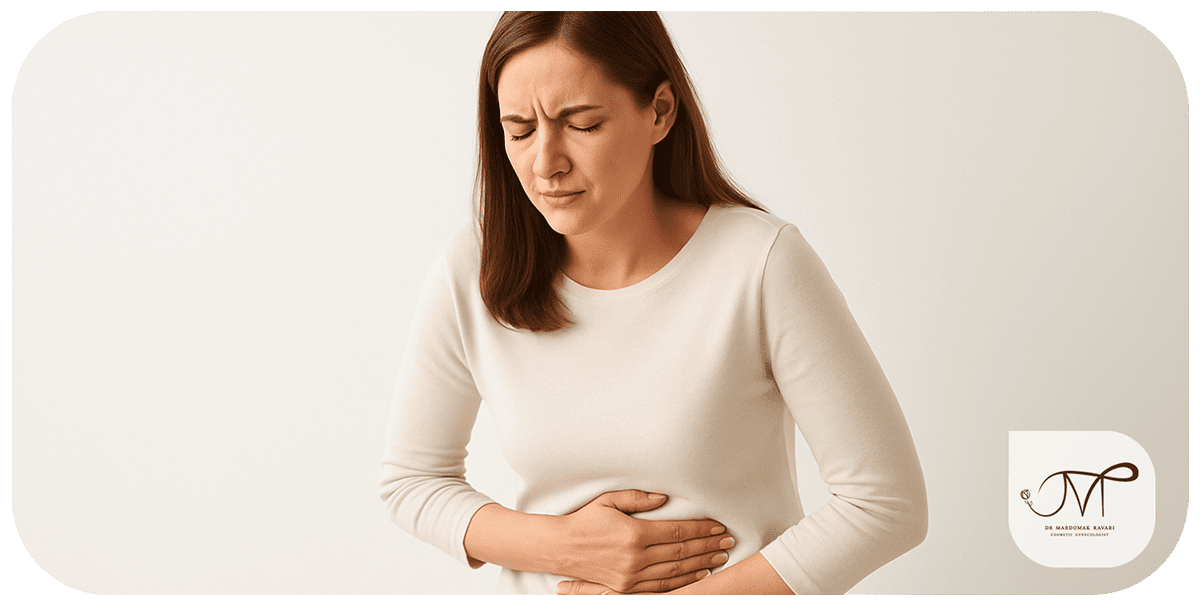
Not all women with BV have symptoms, but typical signs include:
- Thin, gray or white discharge (not bloody)
- Strong “fishy” odor, especially after sex
- Mild itching or burning around the vaginal opening
- Discomfort during urination due to irritation
A combination of symptoms, vaginal pH >4.5, and the presence of “clue cells” under a microscope confirms diagnosis.
Accurate Diagnosis
Bacterial Vaginosis {BV) is diagnosed using clinical criteria such as discharge appearance, pH testing, and microscopic evaluation of vaginal secretions. Recording symptoms in a health diary or app can help track treatment outcomes.
Treatment Options

Standard Medications
- Oral metronidazole: effective in 80–90% of cases
- Vaginal clindamycin: alternative for women who cannot take metronidazole
Supportive Measures
- Probiotics containing lactobacillus: oral or vaginal use helps restore balance
- Vitamin C (oral or vaginal): lowers vaginal pH to discourage harmful growth
Laser Therapy
Some gynecology clinics now offer vaginal laser treatments as an additional supportive option, though antibiotics remain the gold standard.
Important Notes
- Partner treatment is generally not required unless symptomatic.
- Avoid vaginal douching or scented products during treatment.
Daily Prevention and Self-Care

- Gentle hygiene: wash externally with warm water only
- Wear breathable cotton underwear
- Avoid vaginal douching to maintain natural flora
- Use condoms during high-risk sexual activity
- Limit use of scented lubricants or wipes
Possible Complications if Untreated
- Pelvic inflammatory disease (PID): infection spreading to the uterus and fallopian tubes
- Higher risk of STIs: including HIV, herpes, gonorrhea, and chlamydia
- Pregnancy complications: preterm birth and low birth weight
Conclusion
Bacterial Vaginosis is a very common but manageable vaginal condition. With timely diagnosis, appropriate treatment, and preventive self-care, most women can avoid recurrences and serious complications. If you notice unusual discharge, odor, or discomfort, seek medical advice promptly.
References

Bad odor or unusual discharge?
Fill out the consultation form now and our assistant will contact you shortly.
 FAQ
FAQ
No comments have been posted.
Your email address will not be published. Required fields are marked *


